In today's fast-paced world, food preservation is more important than ever. Vacuum Packaging Bags have become a popular solution for keeping food fresh. They work by removing air from the packaging, which slows down spoilage and extends shelf life. Many households and businesses have adopted this method due to its numerous benefits.
The versatility of Vacuum Packaging Bags is a key factor. They are suitable for a variety of foods, from meats and vegetables to liquids. These bags help maintain the flavor and nutritional value of the food. They also reduce food waste, which is a growing concern in our society. However, not all bags are created equal. It is essential to choose high-quality options to ensure safety and effectiveness.
While the advantages are clear, there are some considerations. Improper sealing or storage can lead to bacterial growth. Users must be aware of best practices to avoid pitfalls. Despite these challenges, the benefits often outweigh the flaws. Vacuum Packaging Bags can enhance food storage experiences when used correctly.
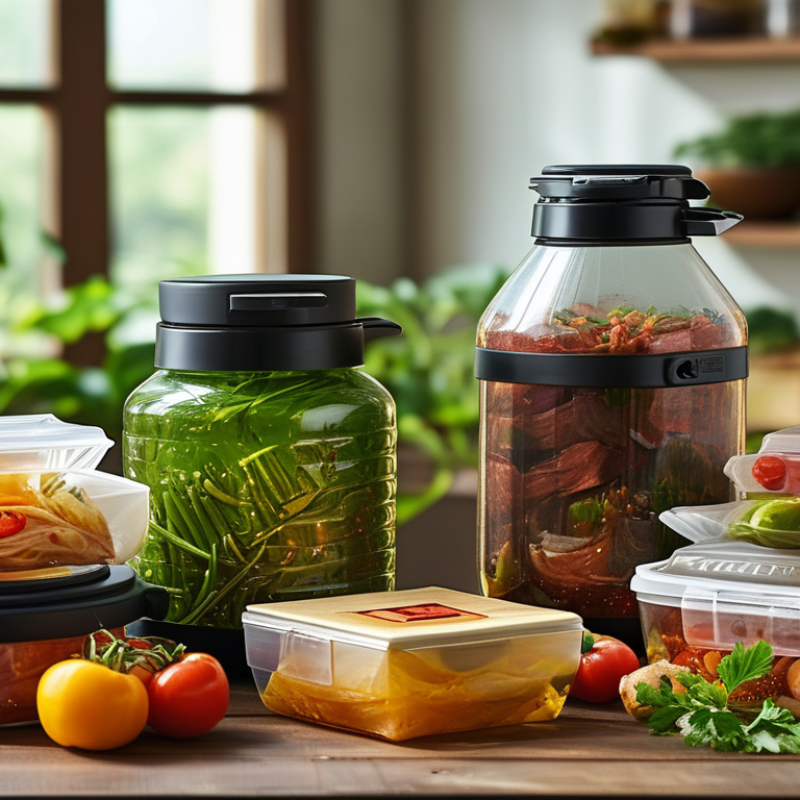
Vacuum packaging is an effective method for extending the shelf life of food. By removing air from the packaging, it hampers the growth of aerobic bacteria and molds. According to the USDA, vacuum-sealed products can have a shelf life that is 2 to 5 times longer than those stored in conventional packaging. This not only helps reduce food waste but also saves consumers money on groceries.
Moreover, vacuum packaging retains the nutritional value and flavor of food. A report by the International Journal of Food Science shows that stored food in vacuum bags preserves vitamins better than other methods. For example, vacuum-sealed fruits and vegetables maintain their vitamins for up to 50% longer. The absence of oxygen slows oxidation, which is crucial in keeping food fresh and tasty.
Despite its advantages, vacuum sealing is not foolproof. Improper sealing can lead to leaks, allowing air to seep in. This can create an environment for bacteria that thrive in low-oxygen conditions. Therefore, careful monitoring is necessary during the sealing process to maximize food safety.
: Freezer burn occurs when food is exposed to air and moisture. Vacuum packaging prevents this by removing air.
Vacuum sealing decreases spoilage caused by bacteria and oxidation, which helps keep food fresh longer.
Yes, by reducing air exposure, vacuum packaging slows nutrient degradation and helps maintain freshness.
Fresh fruits, vegetables, and meats retain their quality longer when vacuum sealed.
Improper sealing can lead to spoilage. Bags may not be completely airtight, allowing air back in.
Always check the seal and label bags with dates to track freshness. Small portions can reduce waste.
It extends shelf life, reduces waste, and allows for bulk buying, which means lower grocery costs over time.
Not all foods should be vacuum sealed. Always wash and dry items like meat and vegetables before sealing.
Regularly check sealed foods and ensure bags are airtight to prevent nutrient loss and spoilage.
A weak seal can let air in, increasing the risk of freezer burn and nutrient loss, making vigilance essential.
Vacuum Packaging Bags offer numerous advantages that significantly enhance food storage and preservation. One of the primary benefits is their ability to extend the shelf life of food by removing air, which slows down the spoilage process. This not only prevents freezer burn but also reduces food waste, ensuring that perishables remain fresh for longer periods. Moreover, vacuum packaging helps retain the nutritional value of food, as it minimizes exposure to oxygen and light that can degrade vitamins and minerals.
In addition to the health benefits, using Vacuum Packaging Bags also has economic advantages. Consumers can save money by reducing food waste and making bulk purchases without the fear of spoilage. Furthermore, the environmental impact is considerable, as decreased food waste contributes to lower landfill contributions and a smaller carbon footprint. Overall, Vacuum Packaging Bags stand out as a practical solution for effective food storage, benefiting both individuals and the environment.

 ESD-PAC VINA