In a rapidly evolving market, choosing the right Food Packaging Bags is crucial for global buyers. These bags not only preserve freshness but also enhance brand visibility. With sustainability in mind, manufacturers are innovating to create eco-friendly options. This trend reflects the growing demand for responsible packaging.
As the packaging industry grows, it is essential for buyers to stay informed. Market research can help identify the best materials and designs. There are countless choices available, from biodegradable options to versatile multi-layer bags. However, selecting the appropriate bag can be challenging.
Buyers must balance practicality with aesthetics. Quality is paramount, yet affordability also matters. Establishing a robust supplier relationship is key. Collaborating with trusted manufacturers ensures that the packaging meets industry standards. When done right, Food Packaging Bags can significantly impact product success.
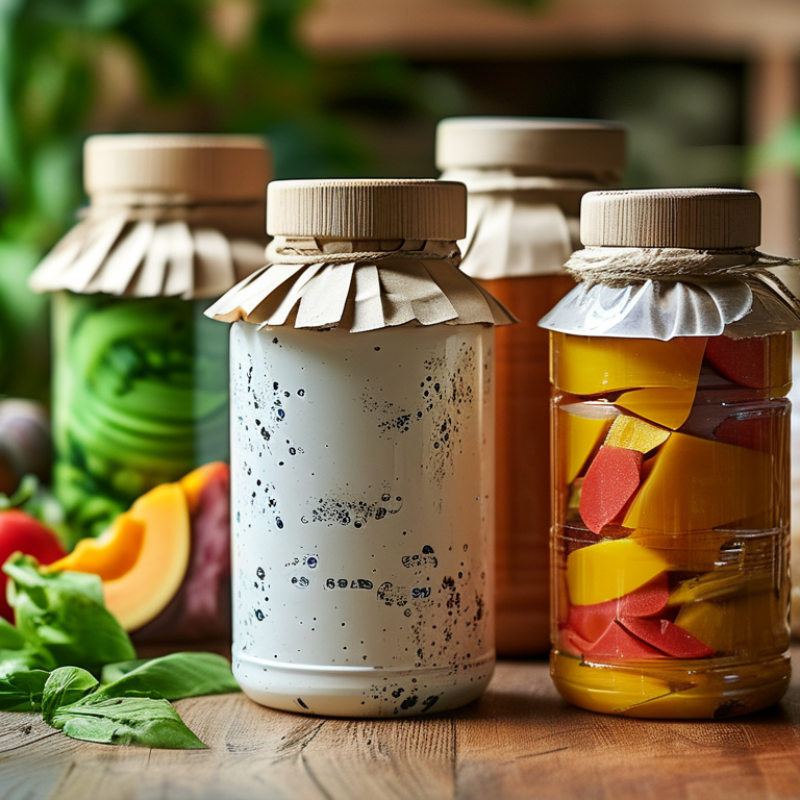
As the food packaging industry evolves, buyers are increasingly focused on sustainability, innovation, and regulatory compliance. Emerging trends indicate a shift towards eco-friendly materials. According to recent research by MarketsandMarkets, the global eco-friendly food packaging market is expected to grow to $435 billion by 2026, driven by rising consumer demand for sustainable products.
Another critical trend is the adoption of smart packaging technologies. This innovation enhances food safety by providing real-time data about product freshness. The global smart packaging market is projected to reach $40 billion. These advancements allow brands to offer better protection for their products while minimizing waste and promoting transparency.
Despite these advancements, challenges persist in meeting consumer expectations. Many companies struggle with balancing cost and sustainability. Finding reliable suppliers for biodegradable materials can also be difficult. Buyers need to evaluate options carefully to avoid relying on subpar products that harm their brand's reputation.
The production of food packaging bags is heavily influenced by the materials used. In recent years, research indicates that demand for biodegradable and recyclable materials has surged. According to a report by Allied Market Research, the global food packaging market is expected to reach $600 billion by 2026, driven by shifts towards sustainability. Notably, plant-based plastics are gaining traction, accounting for 17% of the market share in 2023.
Polyethylene remains a popular choice due to its versatility and cost-efficiency. However, its environmental impact raises concerns. Recent data suggests that only 9% of plastic is ever recycled. This highlights an urgent need for the industry to adopt more sustainable materials. Innovations in paper and organic-based composites are emerging. These alternatives provide not only eco-friendliness but also improved barriers against moisture and oxygen.
Moreover, packaging regulations are becoming stricter in several countries. Compliance challenges arise, particularly for imported goods. The need for clear labeling on materials used poses a hurdle for global suppliers. Environmental claims must be substantiated to avoid greenwashing accusations. Navigating these complexities is essential for securing a competitive edge in the global market for food packaging bags.
Sustainability in food packaging bag design is becoming increasingly important. Many consumers today prefer eco-friendly options. This has led to innovative materials that reduce environmental impact. Biodegradable and compostable bags are gaining traction. These materials break down more easily in landfills. They are designed to minimize plastic usage, promoting a cleaner planet.
However, creating sustainable packaging is not without challenges. The balance between durability and eco-friendliness can be tricky. Not all biodegradable materials perform well in different climates. Some may degrade too quickly, while others lack strength. This inconsistency raises questions about reliability. Brands must continually test and refine their designs.
Another aspect to consider is consumer education. Many people still do not understand the differences between packaging materials. Clear labeling is essential to inform buyers. It can guide them to make more sustainable choices. Engaging consumers in this process can amplify the impact of sustainable practices. The path to responsible food packaging is complex but necessary.
This bar chart represents the projected market demand for various types of food packaging bags in 2026. As sustainability becomes increasingly important, biodegradable and recyclable options are expected to dominate the market.
Consumer preferences are rapidly evolving. In 2026, global buyers will prioritize sustainability. Eco-friendly materials will lead the pack. Consumers are more informed about the impact of plastic waste. They seek biodegradable or recyclable options. This reflects a growing awareness of environmental issues. As a result, many food packaging bags will need to adapt.
Convenience is another crucial factor. Easy-to-open packaging attracts consumers. Innovating designs that enhance usability could capture market attention. Many shoppers appreciate resealable bags. Such features reduce waste and extend the shelf life of products. This preference highlights a need for functionality in design.
Yet, the industry must reflect on these trends. It's vital to strike a balance between aesthetics and practicality. Overly flashy designs may distract from the core message of sustainability. Brands may struggle with this. Failing to meet consumer expectations could lead to backlash. The willingness to reconsider established norms will be vital for success in a competitive marketplace.
As we approach 2026, the impact of regulatory standards on food packaging cannot be overlooked. Global consumers are becoming increasingly aware of sustainability and health standards. Governments are enforcing stricter regulations to enhance food safety and environmental protection. This shift is reshaping the packaging landscape, mandating the use of biodegradable materials and clearer labeling.
Manufacturers must adapt to these changes. They should focus on compliance with regulations regarding food safety, recyclability, and material sourcing. Innovations are crucial. Investing in new technologies can help align products with these evolving standards. However, achieving compliance can be challenging. Companies may face setbacks in testing and certification processes, requiring patience and planning.
When choosing food packaging, consider local regulations. Each market may have unique requirements. Focus on materials that not only meet the standards but also resonate with environmentally conscious consumers. Understanding consumer expectations can guide product development. Addressing both safety and sustainability is key in creating trusted packaging solutions. Engage with industry experts to navigate these complex requirements successfully.
: Trends focus on sustainability, innovation, and regulatory compliance. Eco-friendly materials are becoming more popular.
Consumer demand for sustainable products drives growth in the eco-friendly packaging market, expected to reach $435 billion by 2026.
Smart packaging technologies enhance food safety. They provide real-time data about product freshness for improved consumer trust.
Balancing cost and sustainability is tough. Finding reliable biodegradable suppliers can hurt brand reputation.
Stricter government regulations require biodegradable materials and clear labeling, reshaping how products are packaged.
Compliance with food safety and recyclability regulations is crucial. Companies must invest in new technologies to meet standards.
Engage with industry experts. Understanding local market regulations helps in making informed packaging decisions.
Addressing safety and sustainability is key for trusted packaging. Knowing consumer preferences guides better product development.
Testing and certification setbacks occur frequently. Companies need patience and careful planning to achieve compliance on time.
Adopt smart packaging solutions. They promote sustainability and keep consumers informed about product freshness and safety.
As we look towards 2026, the landscape of Food Packaging Bags is rapidly evolving, driven by emerging trends that prioritize sustainability and consumer preferences. Key materials, including biodegradable options and innovative plastics, are increasingly influencing production processes, allowing manufacturers to create more environmentally friendly products. This shift reflects a growing consumer demand for packaging that not only preserves food quality but also minimizes environmental impact.
Moreover, sustainability practices are becoming integral to the design of Food Packaging Bags, with an emphasis on reducing waste and enhancing recyclability. Regulatory standards are also playing a vital role, setting guidelines that manufacturers must adhere to, thus ensuring safety and environmental compliance. As these factors converge, the future of food packaging is expected to align closely with consumer values, emphasizing both quality and sustainability in the packaging choices available in the market.
ESD-PAC VINA