The demand for Liquid Packaging solutions has surged in recent years. According to a report by MarketsandMarkets, the global liquid packaging market is expected to reach $416 billion by 2027, growing at a CAGR of 5.6%. This growth reflects a shift in consumer preferences and the need for sustainability in packaging.
Experts emphasize the importance of selecting the right Liquid Packaging solutions. John Smith, a leading industry consultant, states, "Choosing the right packaging is crucial for preserving product quality and meeting consumer expectations." With various materials available, businesses must consider factors such as shelf life, transportation efficiency, and environmental impact.
While there are many options, companies face challenges in finding the perfect fit. It's essential to analyze each solution's strengths and weaknesses. A misstep in packaging can lead to spoilage or increased costs. Therefore, thorough research and expert guidance are necessary for making informed decisions.
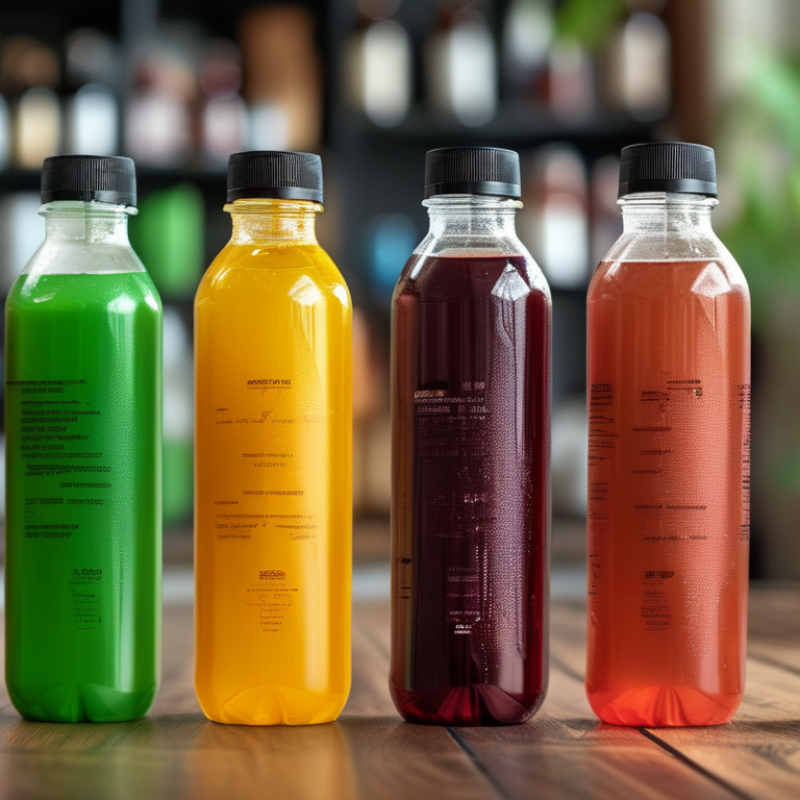
Understanding Liquid Packaging Needs and Requirements
Understanding liquid packaging needs is crucial for businesses today. The liquid packaging industry is projected to reach USD 2,746.3 billion by 2027, driven by the growing demand in various sectors. Companies must assess their specific requirements to find the most suitable solutions.
Different liquids require distinct packaging materials. For instance, sensitive beverages may need light-deterred packaging to preserve quality. A recent study revealed that over 70% of consumers prefer packaging that ensures product safety. This statistic underscores the importance of selecting packaging that meets safety standards and consumer preferences.
Moreover, sustainability is a pressing concern. Reports indicate that 49% of consumers consider eco-friendliness when purchasing liquid products. Thus, brands must reflect on their packaging choices. Balancing sustainability with functionality remains a challenge. It’s essential to weigh the pros and cons of different materials, ensuring they meet both environmental and practical needs.
Exploring Different Types of Liquid Packaging Materials
When selecting liquid packaging solutions, it’s crucial to understand the variety of materials available. Each type brings unique benefits and limitations. Glass is a traditional choice known for its purity and recyclability. However, it can be heavy and fragile, making transportation more challenging. Companies often weigh these factors when considering eco-friendly options.
Plastic, including PET and HDPE, is lightweight and versatile. It offers durability and resistance to breakage. However, concerns about environmental impact and recycling capabilities persist. Many manufacturers are exploring bioplastics made from renewable resources. These innovative options aim to reduce dependency on fossil fuels while maintaining quality.
Metal packaging, particularly aluminum, is another popular choice. It provides excellent barrier properties, keeping products fresh. Yet, the energy-intensive production process raises sustainability questions. The decision-making process requires careful consideration of each material’s impact on product integrity and the environment. This exploration invites an ongoing dialogue about the best practices for liquid packaging in a changing world.
Evaluating Sustainability Options in Liquid Packaging Solutions
When exploring liquid packaging solutions, sustainability is paramount. According to a 2022 report by the Food and Agriculture Organization, nearly one-third of global food packaging waste comes from liquids. This statistic emphasizes the urgent need for eco-friendly materials. Many companies are now considering biodegradable options, which can significantly reduce landfill contributions and carbon footprints.
Despite these advances, challenges remain. Not all biodegradable materials perform equally; some may degrade efficiently while others require specific conditions. A 2021 study from the Ellen MacArthur Foundation found that only 14% of plastic packaging is recycled globally. This highlights the importance of evaluating materials beyond their biodegradable claims. Consumers should look for certifications that demonstrate rigorous testing.
In addition, manufacturers must balance sustainability with cost-effectiveness. Often, eco-friendly options are more expensive upfront. However, a long-term perspective reveals that sustainable packaging can reduce waste management costs. The 2023 Global Sustainability Report indicates that brands embracing sustainability see customer loyalty increase by 30%. This correlation suggests that making the right packaging choice can yield both environmental and economic benefits.
Top Tips for Choosing Liquid Packaging Solutions Today - Evaluating Sustainability Options in Liquid Packaging Solutions
| Packaging Type |
Material |
Sustainability Rating |
Recyclability |
Cost Effectiveness |
| Pouches |
Polyethylene |
4/5 |
Yes |
Moderate |
| Bottles |
Glass |
5/5 |
Yes |
High |
| Cans |
Aluminum |
4/5 |
Yes |
Moderate |
| Tetra Pak |
Cardboard + Plastic |
3/5 |
Limited |
Moderate |
| Flexible Containers |
Bioplastic |
5/5 |
Yes |
Moderate |
Assessing Cost-Effectiveness and Efficiency in Packaging Choices
When assessing cost-effectiveness and efficiency in liquid packaging solutions, several key factors come into play. According to a recent industry report, packaging materials account for nearly 30% of a product's total cost. This means choosing the right packaging can significantly impact profit margins. Effective packaging should not only preserve the product but also minimize waste and shipping costs. Reports suggest that optimized packaging can reduce overall costs by up to 20%.
Efficiency in packaging also reflects on environmental considerations. Current data indicates that sustainable packaging is gaining traction, with 75% of consumers willing to pay more for eco-friendly options. This shift emphasizes the need for brands to consider biodegradable materials without sacrificing durability. Brands often face challenges in balancing cost, quality, and sustainability. A flawed choice here can lead to increased returns and customer dissatisfaction.
In addition, technological advancements are reshaping the packaging landscape. Innovations like smart packaging solutions are becoming more common, but they require upfront investment. Notably, companies may struggle to gauge the long-term savings against short-term expenses. It’s vital to analyze the return on investment for these technologies. A comprehensive review of operational efficiency can reveal unexpected insights into cost management.
Identifying Regulatory Standards and Compliance for Liquid Packaging
When selecting liquid packaging solutions, regulatory standards play a crucial role. Compliance with these standards ensures safety and quality. It is essential to understand the specific regulations governing the materials and processes involved. Each region may have different guidelines, affecting how products are packaged and labeled. Failure to adhere to these can result in costly fines or product recalls.
One key tip is to research the relevant regulations that apply to your product. Each industry has its own set of rules. Understanding these can save time and avoid potential pitfalls. Consult with experts in regulatory compliance. Their insights can guide you in selecting the right materials and formats that meet legal requirements.
Additionally, consider the impact of packaging materials on product safety. Not all materials are suitable for every liquid type. Some may leach harmful substances, jeopardizing consumer health. Testing samples can provide clarity on safety and effectiveness. Packaging design should not only adhere to regulations but also reflect your product's integrity. Seek feedback during the design phase to refine your approach. Balancing compliance and innovation is key to successful liquid packaging solutions.
Conclusion
When selecting liquid packaging solutions, it is essential to first understand the specific needs and requirements of the product being packaged. Different types of liquid packaging materials, such as plastics, glass, and metal, each offer unique advantages and challenges, making it crucial to explore all available options. Additionally, sustainability has become a key consideration, leading many companies to evaluate eco-friendly packaging alternatives that minimize environmental impact.
Cost-effectiveness and efficiency are also vital factors in the decision-making process, as businesses seek to balance quality with budget constraints. Finally, compliance with regulatory standards is imperative to ensure that all liquid packaging solutions meet safety and industry requirements. By carefully assessing these aspects, businesses can make informed choices that not only protect their products but also align with market demands and sustainability goals.

 ESD-PAC VINA