The Packaging Industry is undergoing a significant transformation. As consumer preferences shift, sustainability becomes a top priority. Experts are noticing new trends that shape the future of packaging. According to Dr. Emily Roberts, a leading authority in the Packaging Industry, "Sustainable practices will define the next decade of packaging." This highlights the urgency for brands to adapt.
Innovations in materials and technology are also emerging. Biodegradable options and smart packaging are gaining traction. These advancements improve convenience and reduce environmental impact. However, some brands are still hesitant to embrace change. This resistance can hinder progress in a rapidly evolving market.
Furthermore, consumer engagement is evolving. Companies must listen to their customers' desires for transparency and sustainability. This shift may cause challenges for traditional packaging methods. Yet, adapting to these trends will be crucial for success in the future of the Packaging Industry.
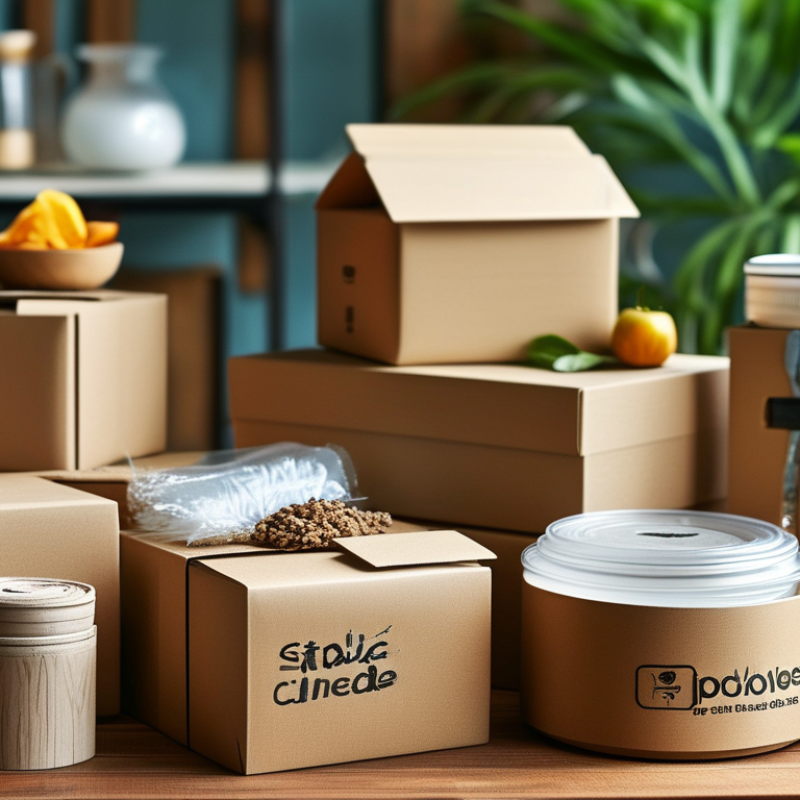
The packaging industry is undergoing a significant transformation driven by the rise of sustainable solutions. According to a recent report by Smithers, the global sustainable packaging market is expected to reach $650 billion by 2027, growing at a rate of over 7% annually. This shift is fueled by both consumer demand and regulatory pressures for eco-friendly materials.
Plastic waste has become a pressing issue. In 2021, around 300 million tons of plastic were produced, with only 9% being recycled. This stark reality drives companies to innovate. Biodegradable options and reusable designs are gaining traction. Many firms are exploring plant-based alternatives to traditional plastics. This transition is not just a trend; it reflects a deep-rooted necessity for better environmental practices.
**Tips:** Brands should evaluate their packaging strategies. Look for local suppliers of sustainable materials. Collaborating with eco-design experts can lead to effective solutions. Data from the Ellen MacArthur Foundation suggests that circular economy measures could save businesses billions in waste costs. Companies need to adapt and reflect on their packaging choices, understanding that sustainable practices can lead to both environmental and financial benefits.
| Trend | Description | Impact on Market | Growth Rate (%) |
|---|---|---|---|
| Sustainable Materials | Increase in the use of biodegradable and recyclable materials. | Enhanced brand reputation and compliance with regulations. | 12 |
| Smart Packaging | Integration of technology for real-time tracking and data collection. | Improved supply chain efficiency and consumer interaction. | 15 |
| Minimalist Design | Focus on simplicity and functionality in packaging design. | Reduced material costs and appeal to eco-conscious consumers. | 10 |
| E-commerce Packaging | Innovations catering to shipping and online retail needs. | Increased shipping efficiency and customer satisfaction. | 18 |
| Personalization | Customization options for consumers to enhance appeal. | Higher consumer engagement and brand loyalty. | 14 |
| Circular Economy | Designing packaging for reuse and recycling. | Minimized waste and improved sustainability image. | 16 |
| Health and Safety | Focus on protective and hygienic packaging solutions. | Increased demand in the food and pharmaceutical sectors. | 20 |
| Lightweight Packaging | Development of lighter materials to reduce shipping costs. | Lower logistics costs and carbon footprint. | 11 |
| Digital Printing | Advancements in printing technology for short runs and customization. | Increased flexibility and shorter time-to-market. | 13 |
| Emerging Markets | Focus on expanding packaging solutions in developing regions. | New opportunities for market growth and product delivery. | 17 |
: The demand for eco-friendly materials and regulatory pressures are key drivers of market growth.
The market is expected to reach $650 billion by 2027.
In 2021, around 300 million tons of plastic were produced, with only 9% recycled.
They break down naturally, significantly reducing landfill waste.
Sourcing durable and effective biodegradable options can be difficult.
By using local suppliers for sustainable materials, companies can minimize emissions.
They need to balance sustainability with functionality and test materials for integrity.
It boosts consumer trust and can lead to a more loyal customer base.
Using compostable options can enrich the soil and improve waste disposal practices.
Educating customers can enhance acceptance and understanding of biodegradable benefits.
The future of the Packaging Industry is being significantly shaped by several key trends. One of the most prominent is the emergence of sustainable packaging solutions, which is driving market growth as consumers become more environmentally conscious. This shift is complemented by the increasing adoption of smart packaging technologies, enhancing user experiences and providing greater functionality.
Furthermore, the rise of e-commerce has led to a demand for innovative packaging solutions that cater to online shopping needs. Additionally, there is a notable growth in the use of biodegradable and compostable materials, reflecting a commitment to sustainability in packaging design. The integration of automation and artificial intelligence in manufacturing processes is also revolutionizing the Packaging Industry, improving efficiency and reducing costs. These trends collectively indicate a transformative period for the sector, emphasizing sustainability, technology, and adaptability to consumer demands.

 ESD-PAC VINA