Engineered for precise oxygen, moisture, and electro-static discharge (ESD) protection.
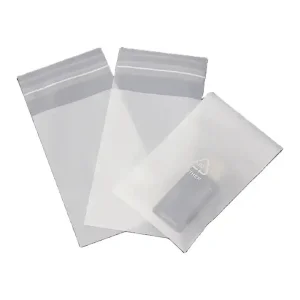
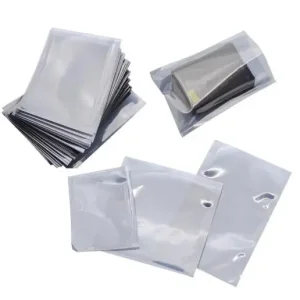
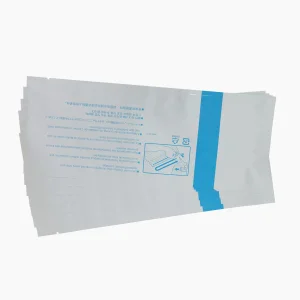
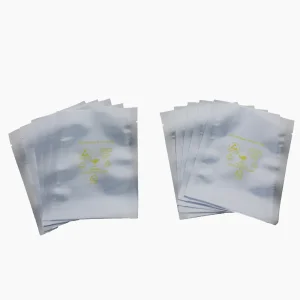
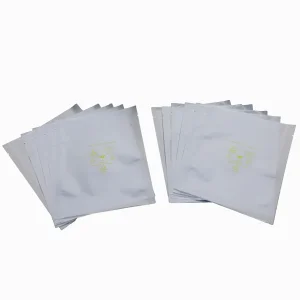
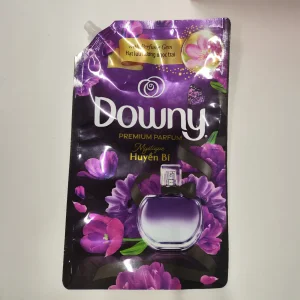
In the modern manufacturing ecosystem, vacuum packaging is no longer just a method of containment—it is a critical science that controls preservation, integrity, and safety. Industrial vacuum pouches act as engineered barriers designed to isolate high-value food, electronic, and pharmaceutical products from destructive ambient elements like moisture ($H_2O$), oxygen ($O_2$), and electro-static discharge (ESD).
To achieve optimal protection, custom vacuum pouches rely on advanced multi-layer polymer films. These structures balance flexibility, mechanical strength, sealing properties, and hermetic barrier performance. By integrating specific structural polymers (such as PE, Nylon, EVOH, and PET) or metallic barrier layers (such as Aluminum foil or metalized polyester films), manufacturers can tailor the Oxygen Transmission Rate (OTR) and Water Vapor Transmission Rate (WVTR) to meet exact application standards.
Through strategic co-extrusion technology, we avoid the weakness of single-layer packaging by blending distinct materials with unique profiles. For example, Nylon provides exceptional puncture resistance and gas barrier efficiency, while Linear Low-Density Polyethylene (LLDPE) ensures a robust hermetic seal, excellent tensile strength, and wide heat-sealing window parameters. This scientific material optimization forms the baseline of our production standard, catering directly to leading global sourcing networks.
The global flexible packaging supply chain has undergone structural transformations. For international enterprises seeking structural cost efficiency without compromising quality, leveraging the technological synergies between modern factories in China and Southeast Asia (such as our high-tech hub in Bac Ninh Province, Vietnam) represents the modern procurement gold standard.
Chinese factories operate at the absolute peak of the raw material, pigment, and machinery supply chain. Over decades, Chinese chemical engineering has optimized the synthesis of sophisticated polymer materials like EVOH and anti-static masterbatches, creating highly stable cost baselines. By integrating this extensive raw-material supply chain network with specialized, state-of-the-art production facilities in dynamic regions like Vietnam, we offer global clients unmatched advantages:
Tailoring structural characteristics, tensile strengths, and barrier properties to meet specific sector specifications globally.
Delicate electronic sub-assemblies are highly susceptible to electrostatic discharge (ESD) and moisture-induced corrosion (delamination or popcorn effect during reflow soldering). Our solutions include high-performance metalized static shielding bags and moisture barrier bags (MBB) that form an electrostatic Faraday Cage shield, maintaining a low surface resistivity ($10^5 \text{ to } 10^{11} \ \Omega/\text{sq}$) and preventing moisture ingress.
Food safety requires non-toxic, highly resilient polymers capable of surviving freezing conditions down to -40°C, and pasteurization or retort conditions up to 121°C. By implementing Nylon (polyamide) co-extrusions and EVOH active barrier layers, our vacuum bags maintain flavor profiles, prevent oxidative rancidity, and drastically minimize food waste without requiring artificial preservatives.
Industrial elements like toner cartridges, OPC drums, active chemical catalysts, and dry industrial detergents require heavy-duty three-side seal aluminum foil bags. The integrated aluminum core provides an absolute barrier (zero OTR and WVTR), preventing chemical degradation, contamination, static buildup, and puncture leakage during high-vibration transoceanic transits.
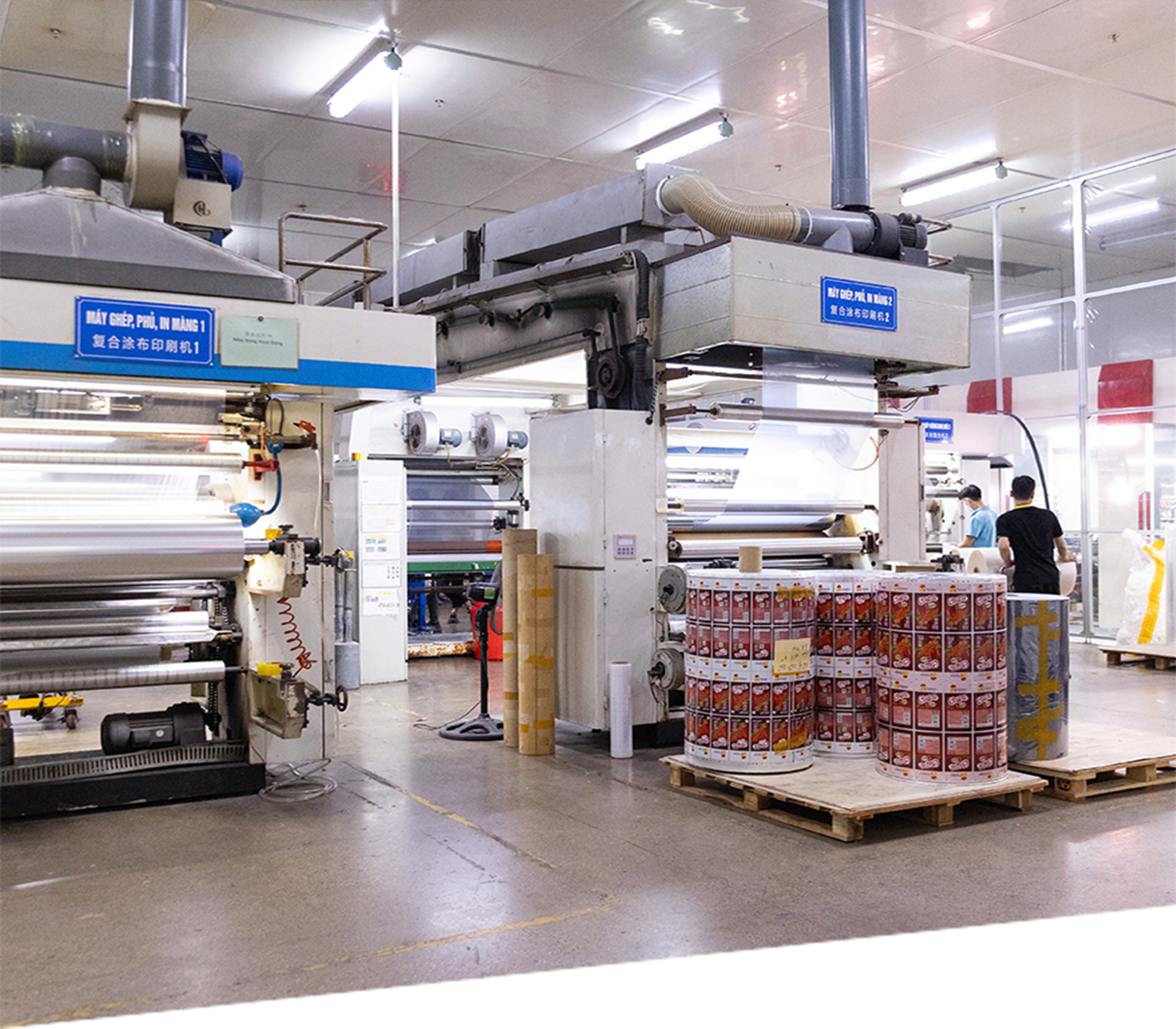
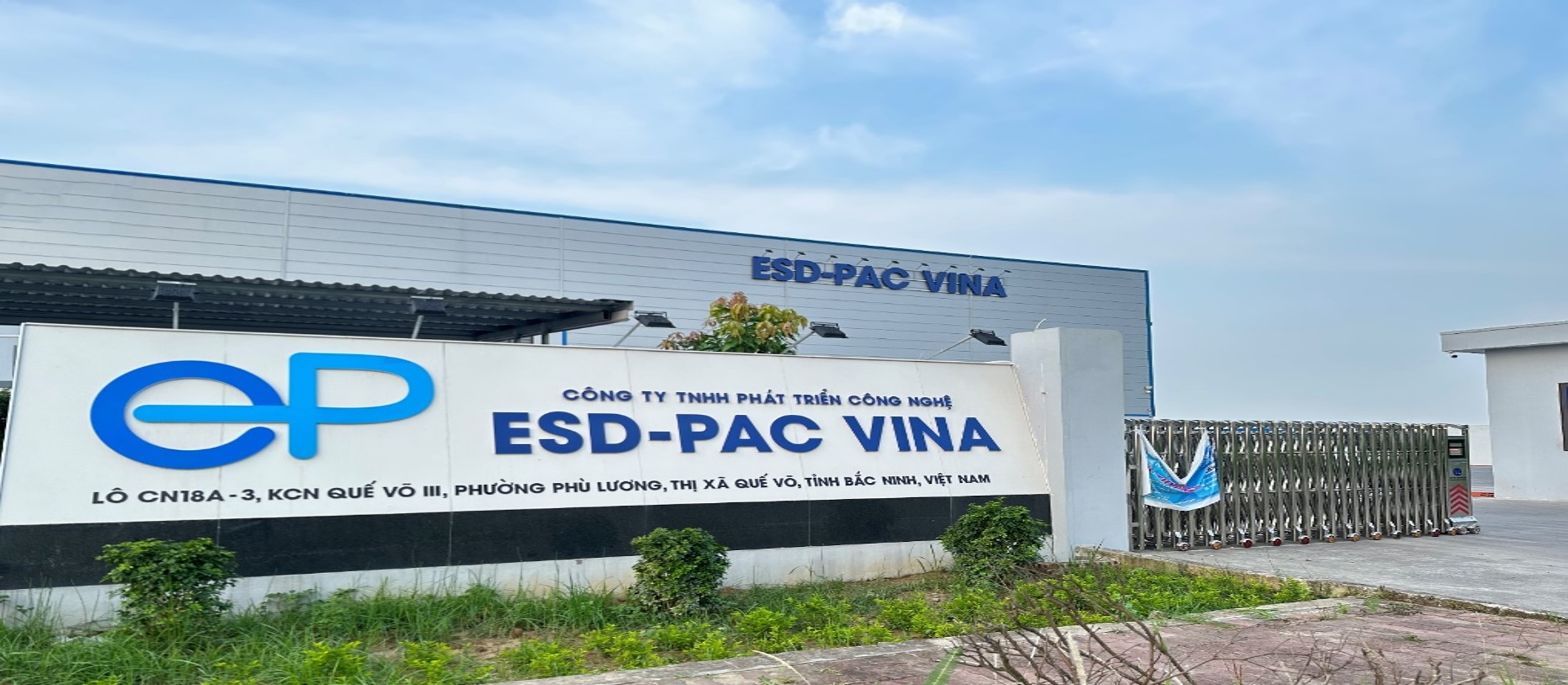
Established in March 2018 and based within the high-growth industrial cluster of Quy Vu Industrial Park, Bac Ninh Province, Vietnam, ESD-PAC VINA has emerged as a premier force in advanced multi-layer and technical barrier manufacturing. Operative across a state-of-the-art 12,000 square meter facility, we integrate raw film extrusion, custom dry lamination, high-speed slitting, and structural pouch conversion under a single comprehensive quality management umbrella.
At our core is an unyielding passion for delivering products that meet and exceed customer expectations. Our highly skilled team of professionals is committed to adhering to the highest standards of quality and efficiency in every aspect of our operations. From raw material sourcing to manufacturing and final product delivery, we prioritize precision, cleanliness, and rigorous attention to detail.
Our aluminum foil is engineered to prevent moisture, oxygen, and other environmental factors that can affect product quality. Similarly, our anti-static films and bags protect sensitive electronic components from static discharge, ensuring they remain safe and functioning throughout the shipping process. Additionally, our vacuum bags extend the shelf life of perishable items, ideal for food and pharmaceutical applications.
As a corporate citizen, sustainability forms a vital pillar of our mission. We continuously implement resource-efficient technologies, reduce processing scrap via closed-loop recycling systems, and innovate thin-gauge, high-barrier formulations that reduce plastic footprints without sacrificing shelf-life performance.
Flexible barrier packaging relies on multi-layer laminates to fuse the mechanical strengths of multiple materials into a single protective sheet. Let us review the primary industrial polymer structures and metallic barriers utilized in our manufacturing processes:
| Material Code | Structural Combination | Barrier Strengths | Primary Target Application |
|---|---|---|---|
| NY/PE | Nylon (Polyamide) + LLDPE | High tear/puncture resistance, reliable oxygen gas barrier | Bone-in meat, frozen seafood, deep-vacuum components |
| PET/AL/PE | Polyester + Aluminum Foil + LLDPE | Absolute zero OTR & WVTR, light immunity, high thermal stability | Moisture-sensitive active powders, high-grade chemicals, electronics |
| PET/NY/PE | Polyester + Nylon + Polyethylene | Superior mechanical strength, optical clarity, strong burst resistance | Heavy liquid doypacks, sharp foods, chemical liquids |
| ESD Shielding | VMPET (Metalized) + LLDPE (Antistatic) | Faraday-cage discharge shielding, controlled electrical dissipation | PCB boards, integrated IC chips, sensitive semiconductor modules |
When procuring industrial-grade vacuum pouches, engineering and procurement professionals must specify tolerances according to standardized test methodologies to guarantee performance validation:
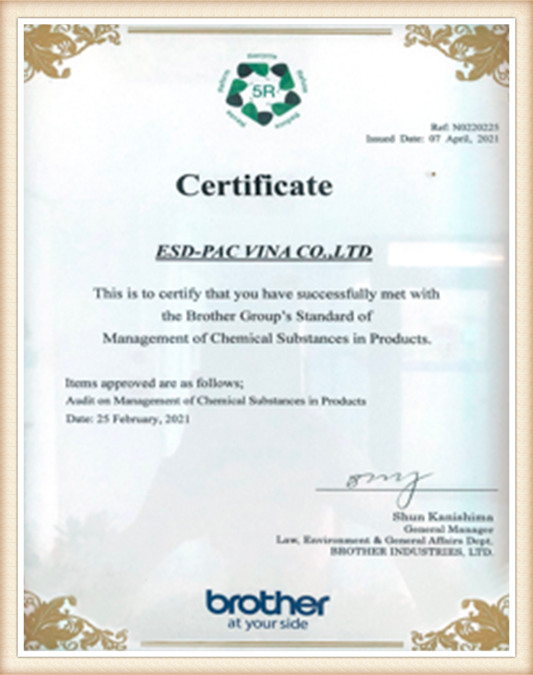
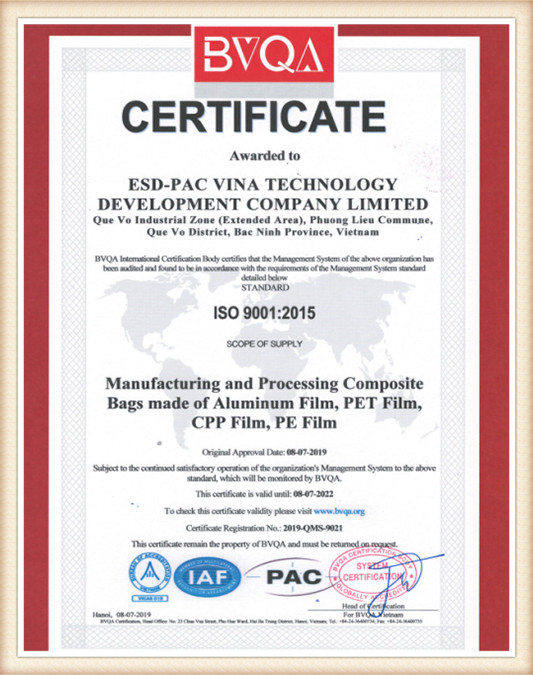
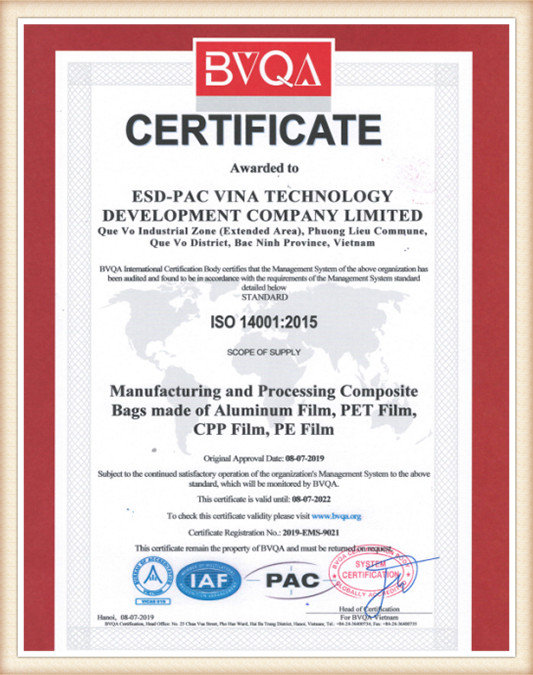
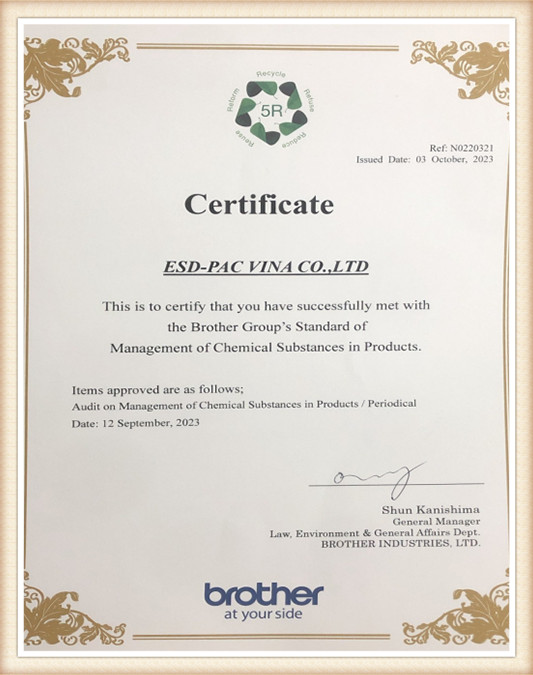
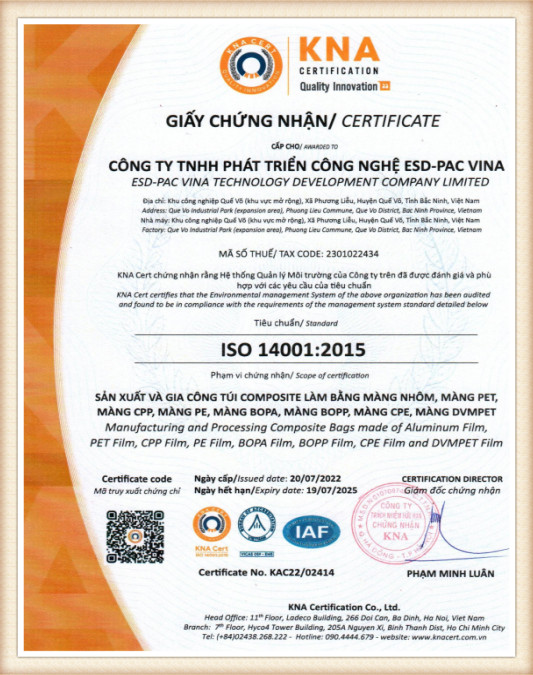
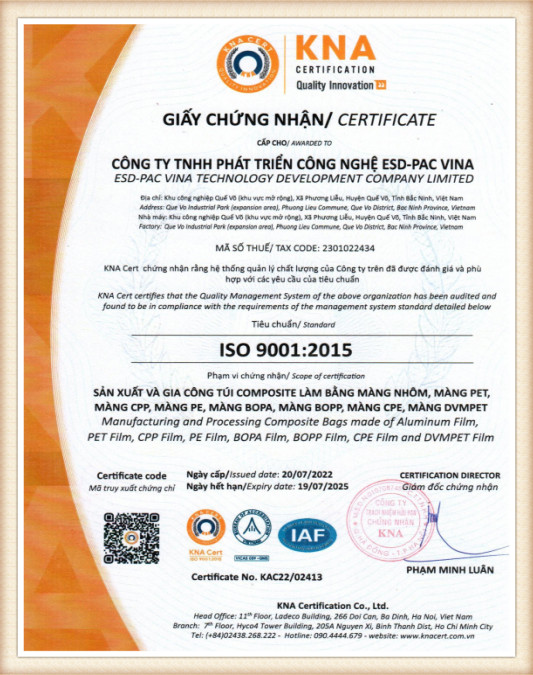
Operating with elite quality controls that meet strict international regulatory standards. Our production is certified and validated under global compliance frameworks.
We proudly hold operational clearances, process validations, and certificates for:
API 6D, API 607, CE, ISO9001, ISO14001, ISO18001, TS (Technical Specifications).
(If you require our full technical sheets, raw laboratory test reports, or physical certificates, please contact our team.)
The flexible barrier packaging sector is transitioning from traditional multi-layer structures toward sustainable, intelligent, and highly optimized compositions. As global supply chain demands change, three main industrial trends are shaping the future of custom vacuum pouch production:
Historically, combining different materials (like laminating PET with Aluminum and PE) prevented traditional mechanical recycling because separating the layers was difficult. Modern research is focusing on High-Barrier Mono-Material laminates, such as MDO-PE (Machine Direction Oriented Polyethylene) paired with EVOH or barrier coatings. These structures provide excellent gas barrier performance while remaining fully recyclable within standard polyethylene waste streams, helping enterprises meet strict environmental mandates.
In food and pharmaceutical logistics, vacuum pouches are evolving from passive barrier protectors into active shelf-life extenders. By integrating oxygen scavenging agents, ethylene gas absorbers, or antimicrobial silver-ion coatings directly into the sealant layer, packaging can actively regulate internal headspaces. This technology significantly delays microbial growth and oxidative breakdown, protecting products even if structural seals experience micro-fractures during transport.
Incorporating ultra-thin RFID tags, NFC sensors, and color-changing temperature-time indicators (TTI) directly into custom vacuum pouches is gaining momentum. This allows logistics networks to track temperature fluctuations, pressure shifts, and vacuum seal integrity throughout the distribution cycle. This digital integration improves supply chain transparency and gives quality assurance managers real-time inventory oversight.
Partnering with a vertically integrated manufacturer that controls the entire process—from polymer extrusion to pouch conversion—gives you access to these emerging technologies. At our facility in Quy Vu Industrial Park, we run dedicated research projects to integrate these advanced materials into our production lines, ensuring your packaging solutions remain highly competitive.
Answering key technical questions regarding material specifications, design configurations, and global sourcing logistics.
A: Standard vacuum pouches range from 60 microns (2.4 mil) to over 150 microns (6 mil). The required thickness depends on product geometry, mechanical risk, and the weight of the contents. Soft foods or powders typically use 60 to 80-micron structures, whereas heavy, sharp, or bone-in products require 100 to 150 microns to prevent punctures. For high-vibration transits, thicker co-extrusions are specified to minimize flex-crack failures.
A: Standard anti-static bags contain static-dissipative additives that prevent charge buildup on the bag's surface but do not block external electrical fields. In contrast, metalized static shielding bags feature a multi-layer structure, including a thin aluminum or metalized polyester (VMPET) layer sandwiched between dissipative polymers. This metallic layer creates a Faraday Cage shield, blocking electrostatic fields and protecting highly sensitive semiconductor components inside.
A: Sourcing from our Bac Ninh Province facility combines high-quality production with excellent cost efficiency. Vietnam offers highly competitive trade terms and minimized import tariffs to key markets in North America and Europe. Meanwhile, our close proximity to leading raw material suppliers in China ensures stable material costs, giving our clients high-performance packaging with excellent supply chain reliability.
A: Yes, all materials used in our food, electronic, and pharmaceutical-grade packaging lines are rigorously tested. We use non-migratory, virgin resins that fully comply with FDA food-contact regulations, EU directive 10/2011, and RoHS/REACH environmental standards for electronic components. Traceability documentation is maintained for every production run.
A: Yes. Our facility operates advanced high-speed pouch-making lines capable of producing three-side seal configurations, stand-up doypacks with bottom gussets, press-to-close zippers, euro-slots, and heat-sealed liquid spouts. This flexibility allows us to produce packaging tailored to high-speed automated filling lines or retail display environments.
Select a category below to review complete material specs, mechanical properties, and bulk sourcing terms.
 ESD-PAC VINA