Explore our core manufacturing line encompassing advanced barrier laminations, anti-static safety packaging, and liquid-dispensation tech.
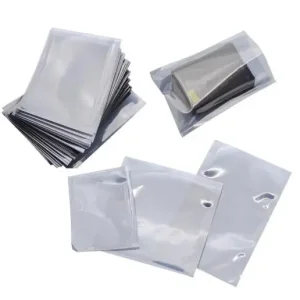
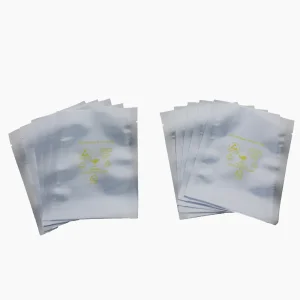
In the globalized cold chain, fresh agricultural produce represents one of the most volatile perishables, susceptible to rapid physiological deterioration, mechanical trauma, and microbial colonization. As a premier custom vegetable packing bags manufacturer, our technical strategy is rooted in the deep integration of plant physiology with material polymer science.
Unlike static dry-food storage, harvested vegetables remain biologically active organisms. They continuously respire, converting oxygen ($O_2$) and stored starches into carbon dioxide ($CO_2$), water vapor, and thermal energy. Unregulated respiration loops lead to rapid senescence, enzymatic browning, tissue softening, and anaerobic fermentation.
Information Gain Paradigm: Our advanced Modified Atmosphere Packaging (MAP) solutions are designed to establish an optimal equilibrium relative humidity (ERH) and controlled internal gas profiles. By dynamically balancing the oxygen transmission rate (OTR) and carbon dioxide transmission rate (CO2TR), our structures slow down cell aging pathways without initiating anaerobic respiration.
Selecting the exact polymer blend requires analyzing physical factors like load capacity, puncture risks from stems, and seal-strength requirements for fast-paced automated lines. We configure multi-layer laminated films using precise co-extrusion systems to meet these demands:
This is the primary choice for salad bags and leafy greens. BOPP delivers high tensile strength and clear visibility for consumer products. Combining it with a CPP sealing layer ensures strong, reliable seals and excellent puncture resistance against tough vegetable stems.
Metallocene linear low-density polyethylene (mLLDPE) provides exceptional seal strength through contamination, making it ideal for high-speed vertical form-fill-seal (VFFS) systems. It also improves flexibility in cold environments, ensuring structural integrity during low-temperature transit.
| Vegetable Category | Respiration Rate | Recommended Packaging Material Structure | Target O2 Transmission Rate (cc/m²/24h) | Anti-Fog Integration Need |
|---|---|---|---|---|
| Leafy Greens (Spinach, Lettuce) | High (40–60 mg CO2/kg/h) | Micro-perforated BOPP/CPP, LDPE-based blends | 8,000 – 15,000 | Critical (Dual-sided Anti-fog) |
| Root Vegetables (Carrots, Parsnips) | Low-Medium (10–20 mg CO2/kg/h) | Macro-perforated PE, High-clarity mLLDPE | 3,000 – 5,000 | Moderate (Internal Coating) |
| Brassica (Broccoli, Cauliflower) | Very High (80–120 mg CO2/kg/h) | Advanced MAP Co-extrusions, Laser-perforated BOPP | 20,000 – 35,000 | Critical (High-temperature stable) |
| Alliums (Onions, Garlic) | Low (5–10 mg CO2/kg/h) | High-tensile strength mesh combined with solid PP | Not Applicable (Mesh vent) | Negligible |
Uncontrolled condensation inside clear packaging reduces consumer appeal and promotes rapid mold and bacterial growth. When warm, moisture-rich air inside the bag hits the cold temperatures of refrigerated displays, water vapor condenses into small, high-angle droplets. These droplets reflect light, blocking product visibility and creating pools of liquid water that rot fresh leaves.
We solve this issue through advanced molecular engineering. By blending surface-active agents (surfactants) directly into the polymer during extrusion, we lower the surface energy of the plastic. This forces condensed water to form a continuous, ultra-thin, completely transparent sheet of water rather than individual droplets. This water sheet runs off cleanly without pooling, maintaining excellent product visibility and protecting produce from water damage.
To maintain the perfect atmosphere inside the bag, we use computerized CO2 laser systems to create micro-perforations ranging from 50 to 120 microns. By varying the pattern and density of these perforations, we customize the bag's gas exchange rates. This ensures the exact balance of oxygen and carbon dioxide needed to extend the shelf life of each specific vegetable type.
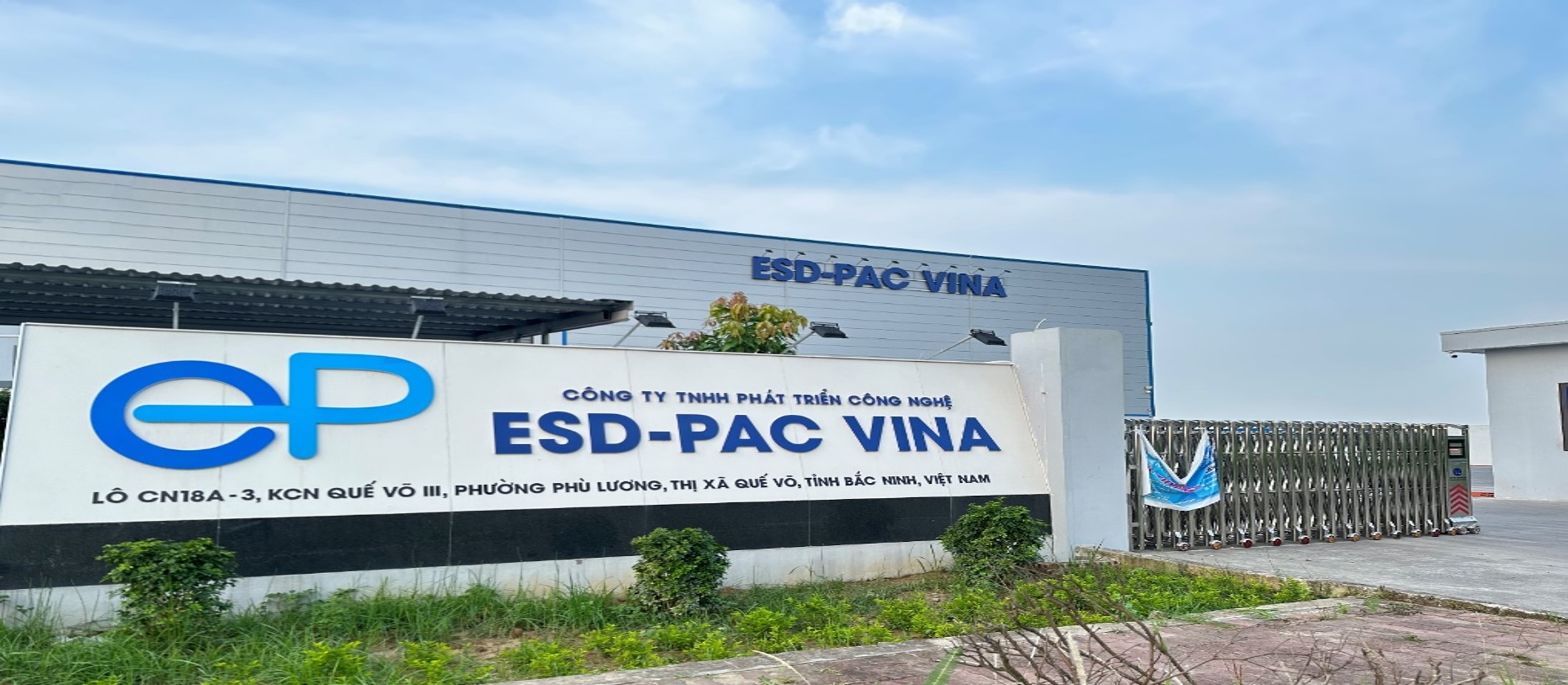
Modern global procurement requires both cost efficiency and absolute supply chain security. Founded in March 2018 in Bac Ninh Province, Vietnam, ESD-PAC VINA represents a premier strategic solution to this global dynamic.
Operating within the Quy Vu Industrial Park, our dual advanced production facilities have grown to span 12,000 square meters. This location provides access to highly efficient shipping lanes across Southeast Asia and major global ports.
Dual-Engine Synergy: By combining Chinese technological expertise, raw material networks, and advanced engineering with Vietnam's low tariff benefits and competitive operating costs, we offer unparalleled security for B2B buyers in North America, Europe, and the APAC region.
Our facility integrates manufacturing, sales, and research & development into one smooth workflow. We utilize advanced multi-layer blown film extruders, high-speed rotogravure and flexographic printers, solventless laminators, and automated bag-making machines to ensure consistent quality and production speed.
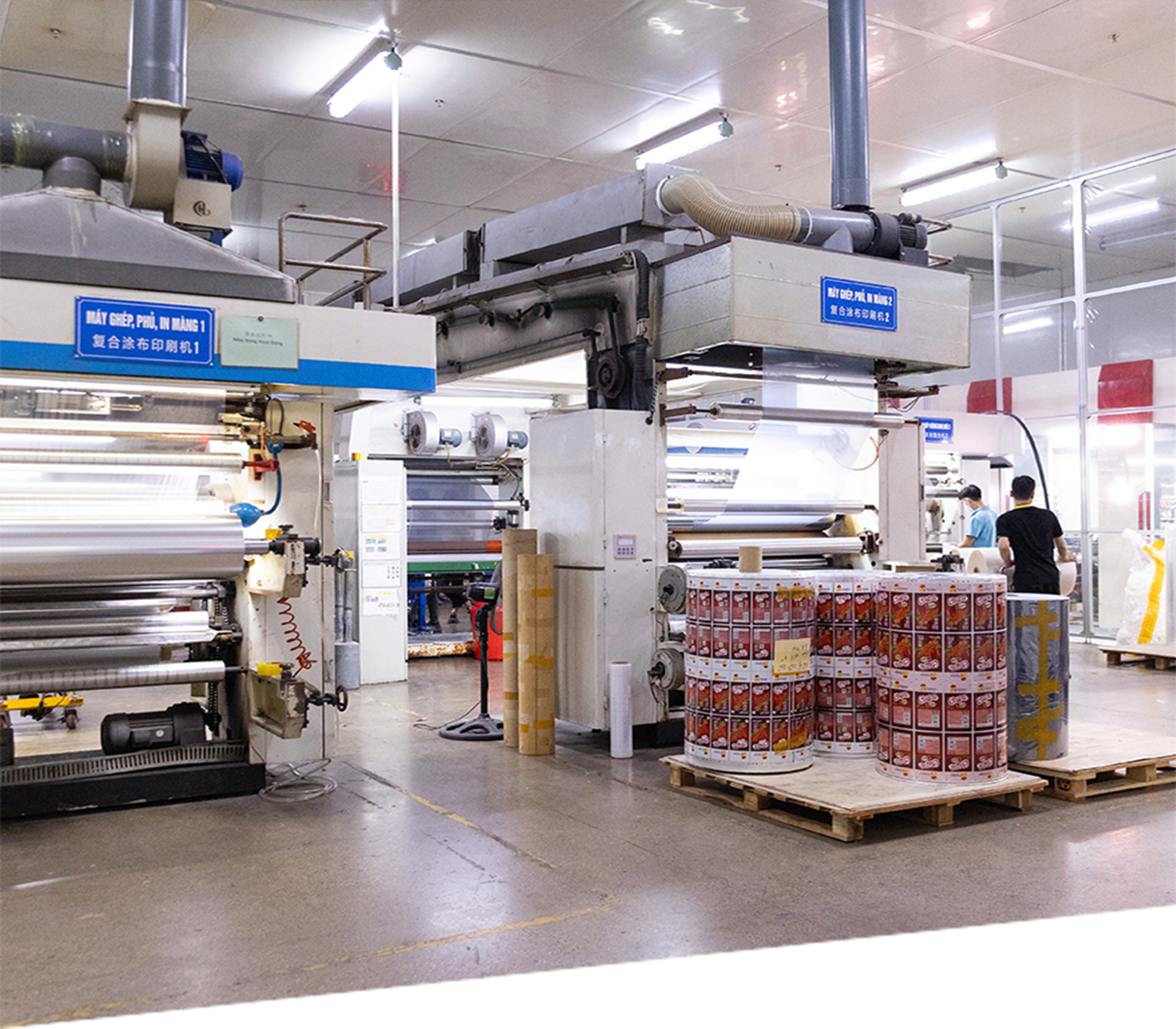
We implement comprehensive quality control at every stage of production, from initial raw material testing to final product dispatch.
Our testing labs monitor key technical parameters on every batch, including:
Our custom vegetable packaging bags are tailored to integrate seamlessly with standard processing machinery, supporting high-speed automated lines without bottlenecking.
For highly sensitive fresh produce, standard plastic films often do not provide sufficient protection. We apply functional coatings and add active elements during extrusion:
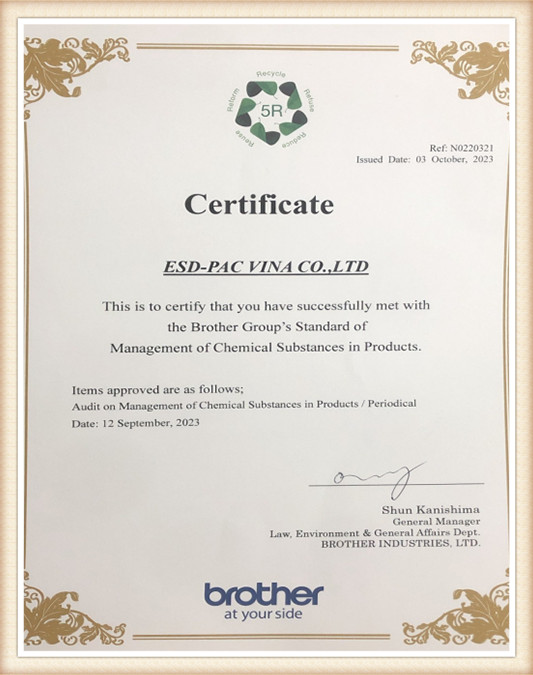
For enterprise food packagers, meeting international regulatory standards is essential. Our production facilities and raw material selections are fully certified to ensure total safety and compliance for global markets.
Our factories comply with major global standards, including:
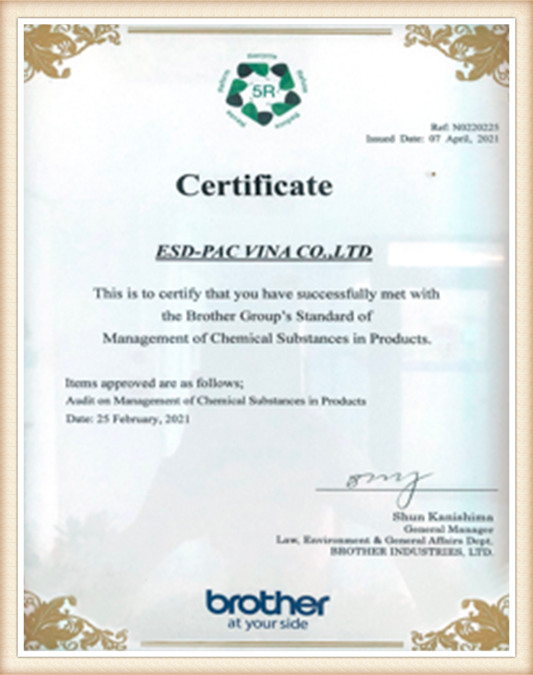
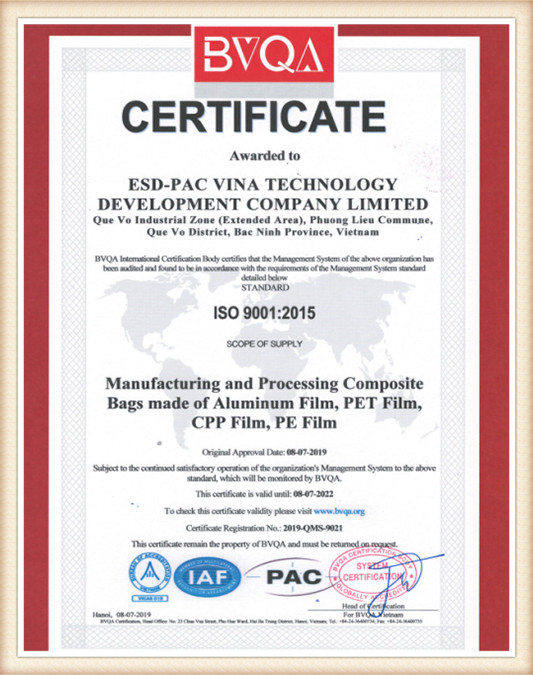
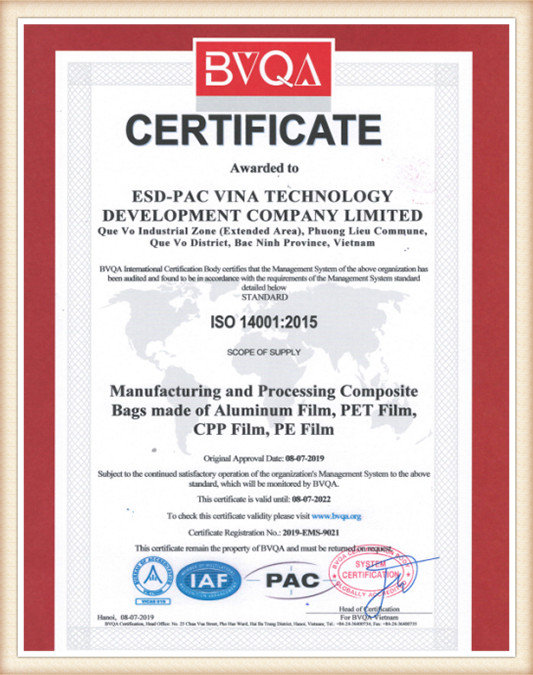
High-performance functional barrier bags designed to protect foods, sensitive electronics, and high-value industrial goods.
 ESD-PAC VINA