In an era defined by rapid advances in semiconductor density, automotive electrification, and high-frequency telecommunication hardware, electrostatic discharge (ESD) represents one of the most critical threats to yield margins and long-term component reliability. This executive analysis presents an in-depth breakdown of high-performance anti-static bag materials, manufacturing standards, and the macro-level logistics advantages driving modern global procurement.
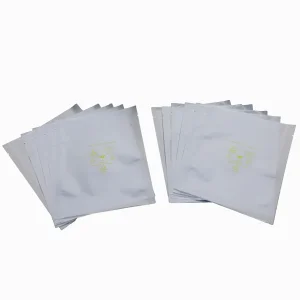
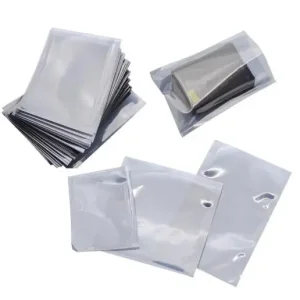
High-quality static shielding bags utilize multi-layer composite structures. A micro-thin layer of vacuum-deposited aluminum acts as a low-resistance electrical barrier, successfully dissipating static charges over their outer surfaces and creating a comprehensive Faraday cage to protect internal IC components.
Sensitive surface-mount technologies (SMD) demand simultaneous defense against ambient relative humidity (RH). Incorporating custom aluminum foil layers yields extremely low Moisture Vapor Transmission Rates (MVTR), mitigating risk of popcorning defects during subsequent reflow soldering processes.
Heavy mechanical stress during overseas shipping can puncture standard polymeric films. Layering biaxially-oriented nylon (BOPA) or polyethylene terephthalate (PET) ensures maximum puncture resistance and seal strength, maintaining package integrity throughout rugged transits.
Modern procurement officers are increasingly looking beyond simple cost-per-unit metrics to secure stable, resilient, and compliant primary supply lines. With global cleanroom and electronic fabrication standards shifting rapidly toward strict ANSI/ESD S20.20-2021 and MIL-PRF-81705E Type I/III criteria, selecting a factory capable of verified polymer engineering is paramount.
Furthermore, structural decoupling in supply networks has driven tier-1 electronics manufacturers to establish major manufacturing hubs in Southeast Asia, notably within key technological corridors in Vietnam. Strategically positioned hubs in industrial centers like Bac Ninh Province offer unparalleled geographic proximity to major deepwater shipping lines, robust localized logistics infrastructure, and preferential economic trade structures, making them crucial assets for agile enterprises globally.
Why top-tier technology enterprises are migrating packaging procurement to VINA factories:
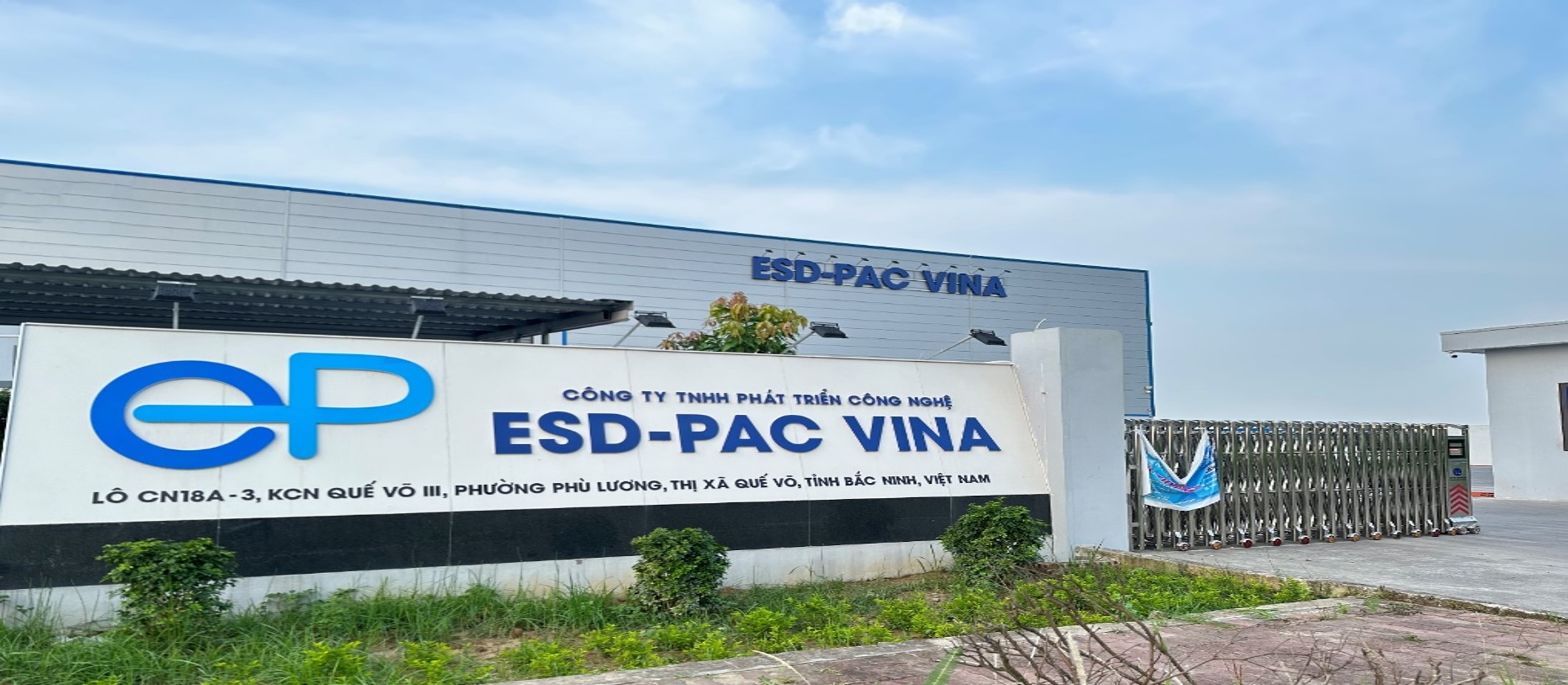
Welcome to a premier destination for high-tech packaging and ESD-safe barrier films. Located in the bustling industrial zone of Bac Ninh Province, Vietnam, we merge cutting-edge R&D with vast economies of scale.
Established in March 2018, we operate two ultra-modern factories in Quy Vu Industrial Park, Bac Ninh. Reflecting our deep dedication to domestic expansion and international capacity demands, we have expanded our cleanroom and manufacturing footprint to an extensive 12,000 square meters.
We actively combine high-end manufacturing, cross-border sales channels, and dedicated scientific R&D within a unified ecosystem. This ensures we stay at the absolute forefront of advanced copolymer modifications, anti-humidity technologies, and sustainable bio-polymeric film research.
Sustainability is integrated directly into our corporate DNA. From minimizing environmental impact via advanced solvent-free lamination processes to implementing localized waste recycling initiatives, we strive to maximize resource utilization while keeping a carbon-lean ecological footprint.
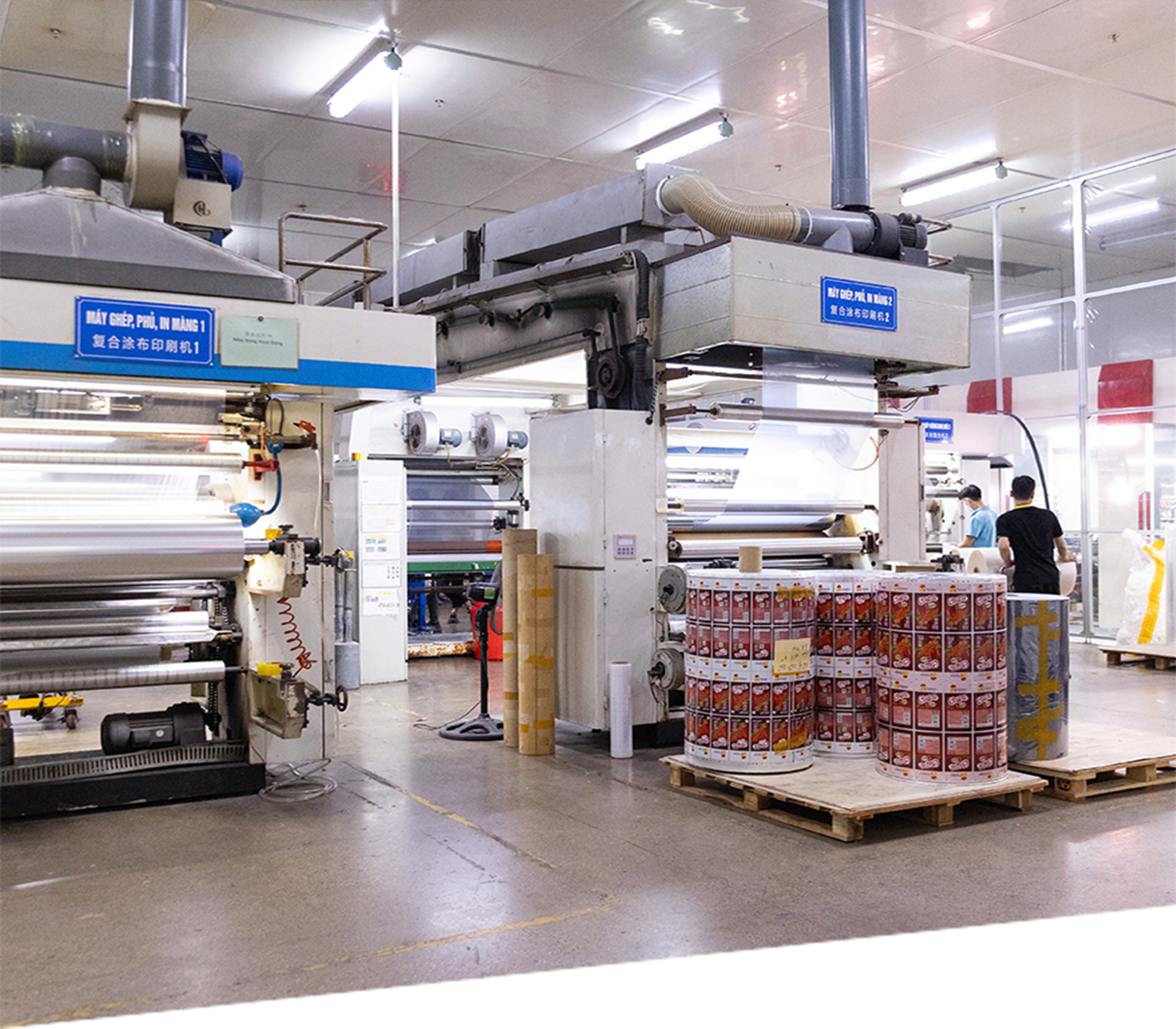
At our core is a profound passion for delivering products that meet and exceed stringent customer expectations. Our highly skilled team of materials scientists and cleanroom technicians adheres to rigorous quality control frameworks at every operational gate.
From testing chemical composition, checking surface resistivity (typically spanning 10^6 to 10^11 ohms/sq), evaluating physical thickness deviations, and measuring mechanical tear coefficients, we prioritize supreme precision. These standards guarantee your sensitive electronics and critical sub-assemblies arrive at their final integration points in pristine, factory-calibrated working order.
Our anti-static and moisture-barrier films are engineered utilizing sophisticated multi-pass extrusion and adhesive lamination structures. Below is the typical breakdown of our core packaging architecture:
Provides robust scratch protection while actively preventing the generation of triboelectric charges on external surfaces.
Acts as an impenetrable defense shielding against moisture, gas transmission, UV radiation, and electromagnetic interference (EMI).
Biaxially-oriented nylon layer strategically embedded to withstand extreme mechanical drops, shipping friction, and sharp edges.
Low-temperature easy-seal poly layer engineered with non-corrosive, non-outgassing static dissipative additives for secure internal contact.
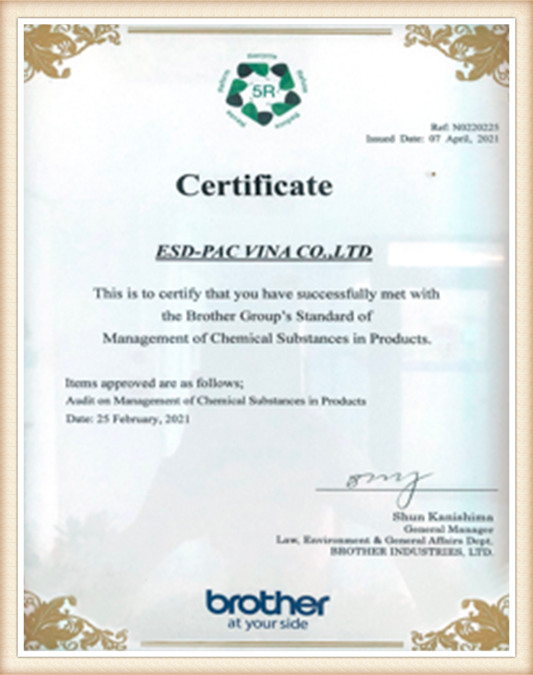
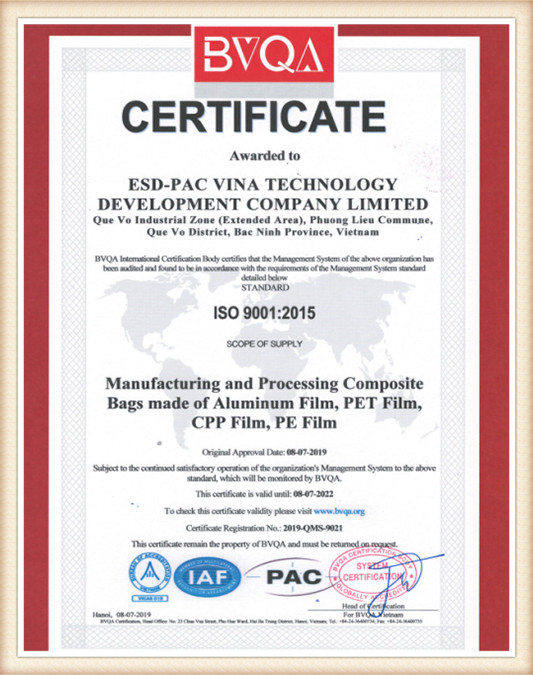
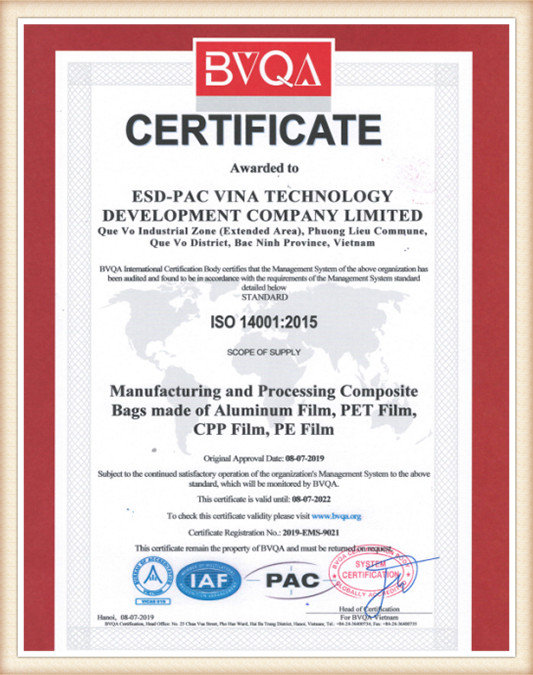
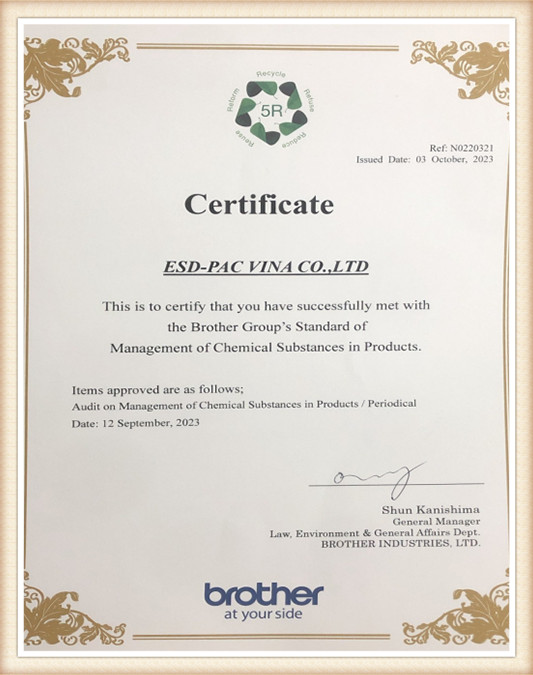
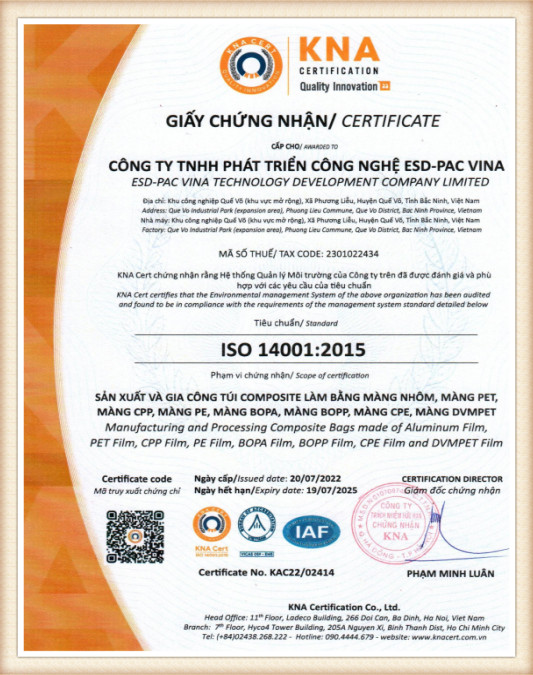
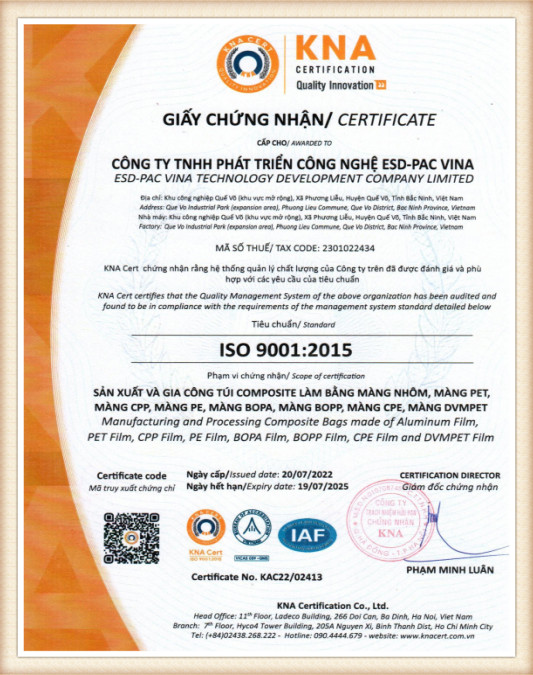
Verified proof of our unwavering commitment to regulatory excellence. Our facilities comply with globally recognized industry standard quality, environmental, and occupational safety frameworks:
Explore frequently asked engineering and procurement questions regarding static shielding films and anti-static packaging strategies.
Standard pink or blue "anti-static" bags are primarily designed to prevent triboelectric charge generation when contents shift inside. They do not, however, shield against external electrostatic fields. True metalized static shielding bags feature a microscopic metal core (Faraday cage design) that actively diverts and attenuates high-voltage external discharge currents, offering robust protection for highly sensitive semiconductor microchips.
According to industry norms and global standards (like the EOS/ESD Association standards), high-performance static dissipative materials must maintain a surface resistivity between 10^5 and 10^11 ohms per square. Below this range, charges discharge too quickly, potentially damaging components. Above this range, charges dissipate too slowly to mitigate hazardous build-ups.
SMT components are prone to absorbing micro-amounts of ambient moisture over time. When subjected to rapid thermal expansion during reflow oven processes, internal pockets of trapped moisture expand violently, resulting in critical physical delamination or internal silicon cracking (known as "popcorning"). Utilizing high-barrier packaging with an ultra-low Moisture Vapor Transmission Rate (MVTR) eliminates this vulnerability.
Bac Ninh is a key industrial region in northern Vietnam, directly connected to major expressways leading to key logistics networks, modern container terminals, and international deep-water seaports. Procuring ESD materials from a specialized hub here guarantees steady supply routes, competitive pricing, and duty-free or lower tariff access to major international trade agreements.
 ESD-PAC VINA