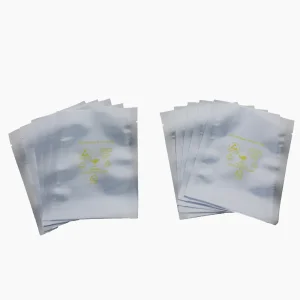
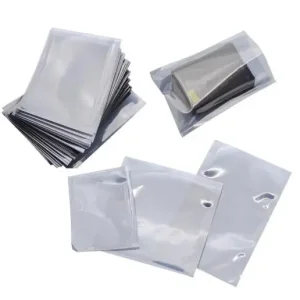
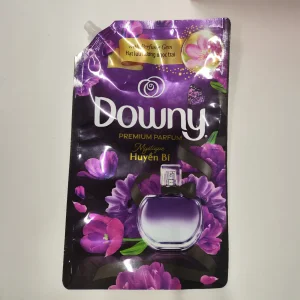
High-performance functional packaging substrates engineered for critical gas, moisture, and static protection
In the modern premium coffee sector, packaging is no longer a simple containment medium. It represents a highly engineered barrier system that dictates the rate of lipid oxidation, staling, and volatile aroma preservation.
With the global coffee market experiencing sustained premiumization, coffee roasters and international FMCG brands are increasingly demanding technical solutions that extend shelf-life without altering the sensory profile of specialty beans.
Coffee degrades primarily due to exposure to oxygen (O₂), humidity (H₂O), ultraviolet light, and high thermal variants. Raw roasted coffee off-gasses carbon dioxide (CO₂) heavily post-roast. This dynamic necessitates the integration of precision-engineered degassing valves that permit CO₂ release while maintaining a hermetic barrier against external oxygen entry.
The chemical and structural configurations behind robust vacuum sealing, aroma retention, and absolute moisture resistance
Utilizing high-grade aluminum foil laminations and metallized polyester (PET) films to reduce moisture passage below 0.1 g/m²/24h. This prevents internal mold and preserves volatile roasting compounds.
By optimizing EVOH (Ethylene Vinyl Alcohol) co-extrusion technology, we yield extremely low oxygen ingress metrics close to 0.05 cc/m²/24h, locking in fresh specialty bean aromas indefinitely.
Advanced heat-seal layer engineering allows perfect hermetic seals under high-speed manufacturing environments, reducing package ruptures during handling, ocean transport, and high-altitude changes.
Industrial Synthesis of Packaging Mastery:
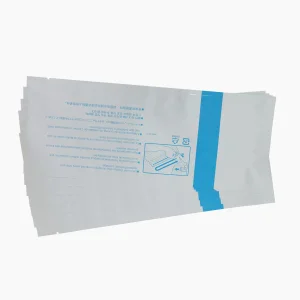
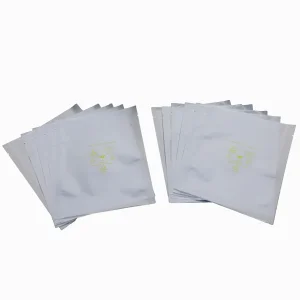
Leveraging our decades of experience in highly sensitive electrical component preservation (e.g., translucent ESD-safe moisture-proof shielding bags and anti-static aluminum barrier films), our industrial labs have formulated food-grade laminate coatings that combine mechanical tensile rigidity with state-of-the-art oxygen and gas scavenging capabilities.
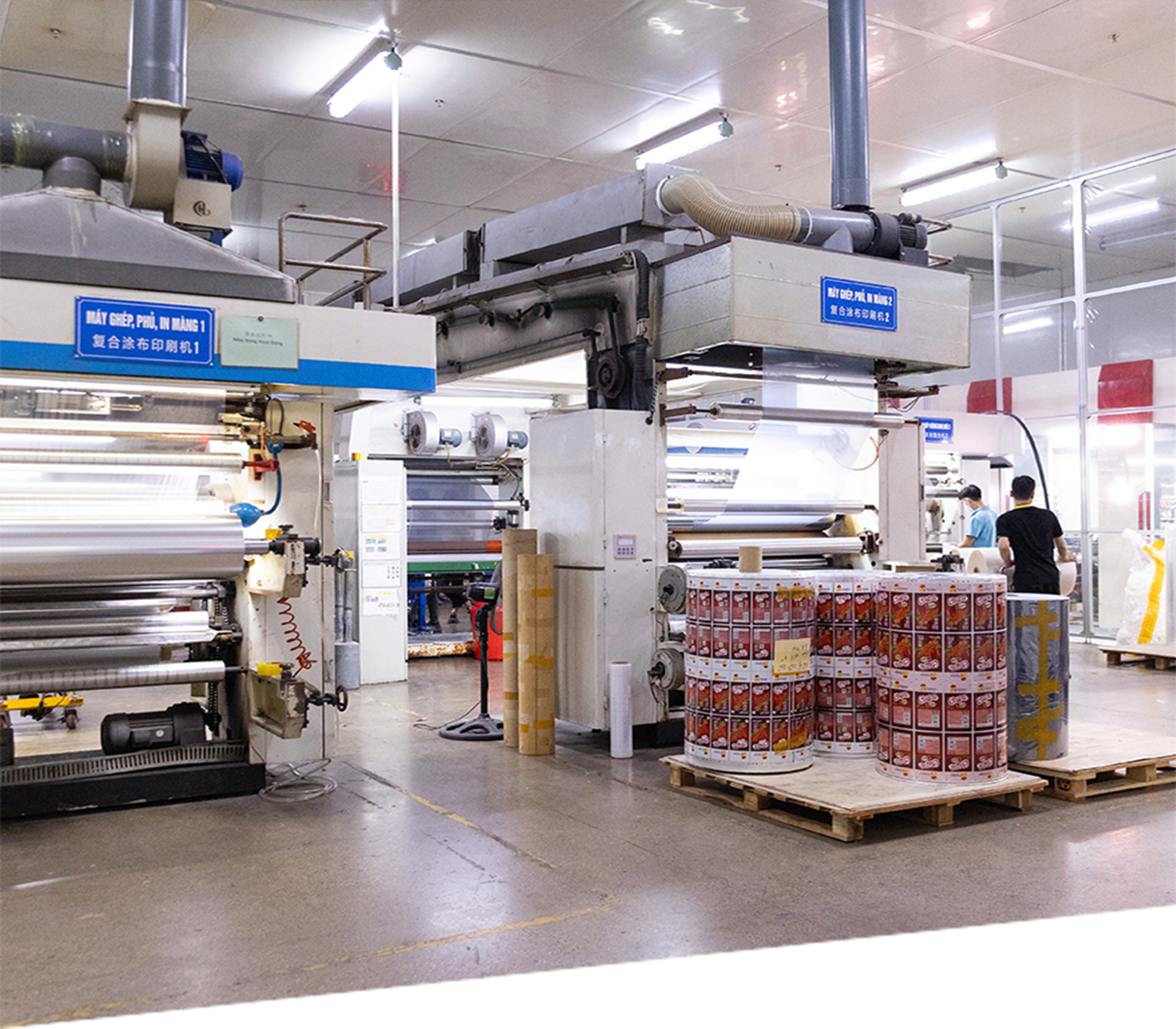
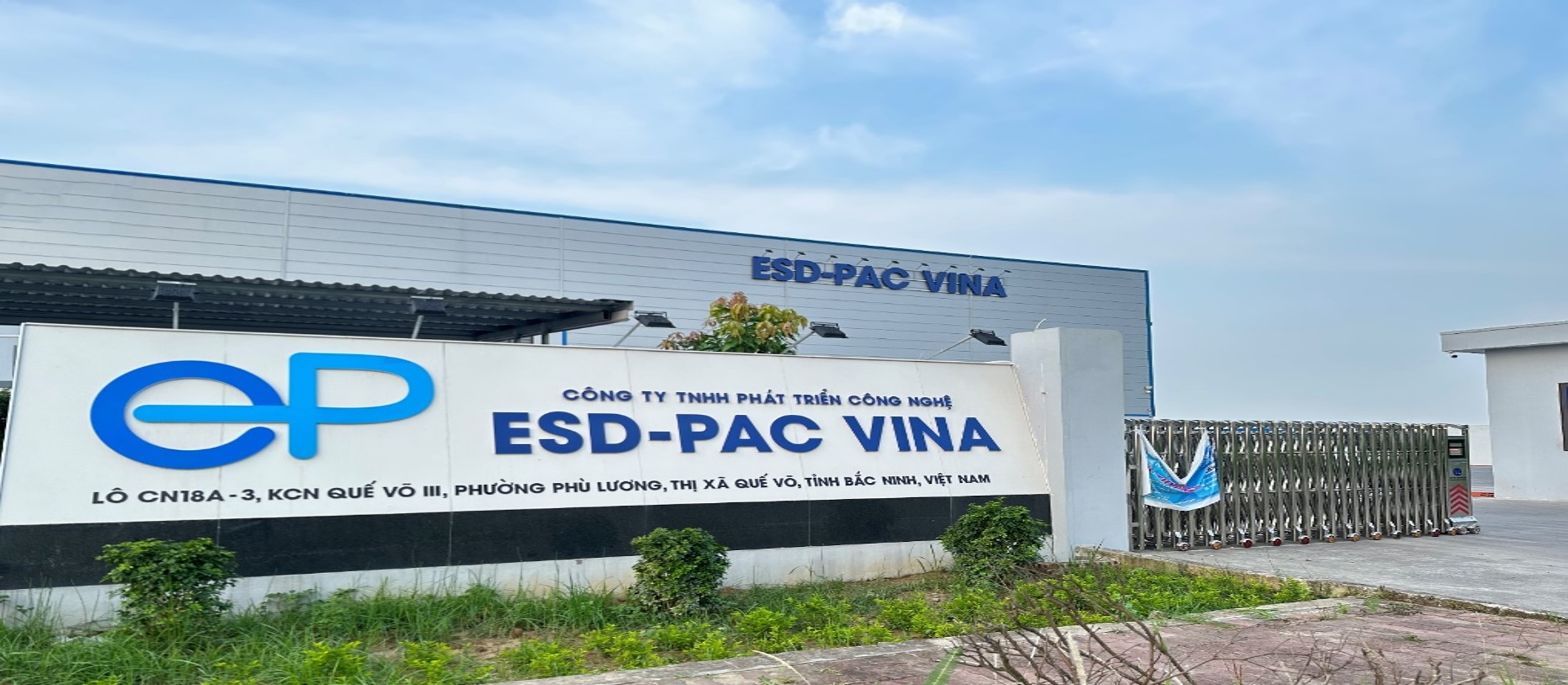
Operating from the prestigious Bac Ninh Province, Vietnam, we are strategically aligned with both regional and global supply-chain currents.
Established in March 2018, ESD-PAC VINA has rapidly grown into a high-capacity manufacturing leader of advanced packaging materials. Strategically positioned within Quy Vu Industrial Park, Bac Ninh, we recently scaled our production capabilities to cover over 12,000 square meters of state-of-the-art facilities.
This strategic manufacturing hub integrates China's unmatched logistics and chemical formulation speed with Vietnam's exceptional operational efficiency and cost competitiveness. By merging research & development with local large-scale high-tech machinery, we assure continuous improvement and short lead times for international brand requirements.
Transparent metrics that underscore our manufacturing stability and capability to service multi-national contracts
From regional roasting micro-hubs to high-throughput global distribution pipelines, we custom-engineer layers to solve specific thermal and biological barriers.
For independent craft coffee roasters, preserving sensitive origin characteristics (terroir, delicate floral notes) is paramount. We build packaging configurations optimized to secure the original profile of premium single-origin roasts.
For commercial consumer goods, mechanical strength and machine compatibility are essential. Our foils and co-extruded films run seamlessly on fast vertical form-fill-seal (VFFS) systems with zero failure rates.
Eco-conscious consumers demand changes. We design compostable and fully recyclable plastic laminates with mono-material structures that protect contents without causing permanent ecological damage.
Rigorous regulatory credentials backing our research, chemical security, and global operational reliability
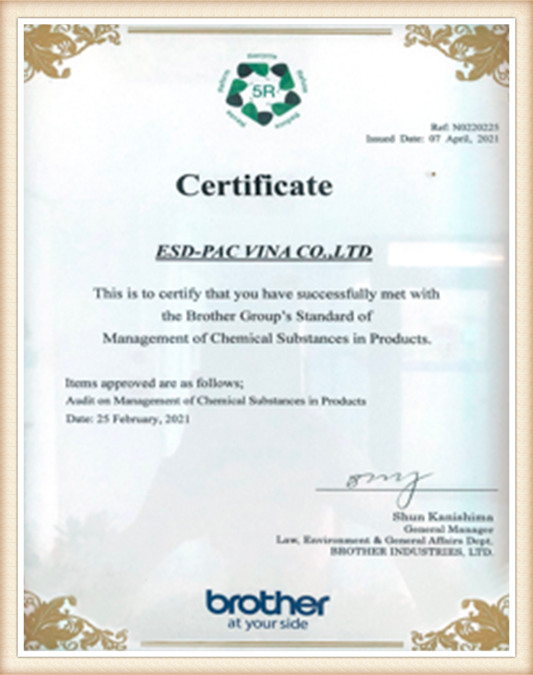
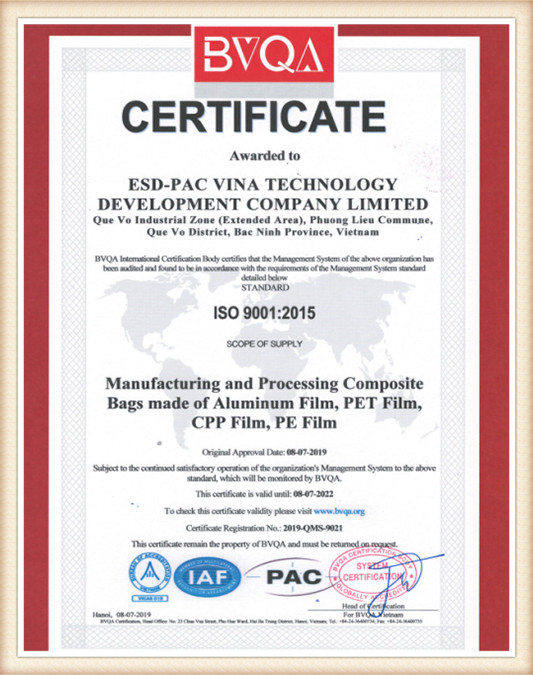
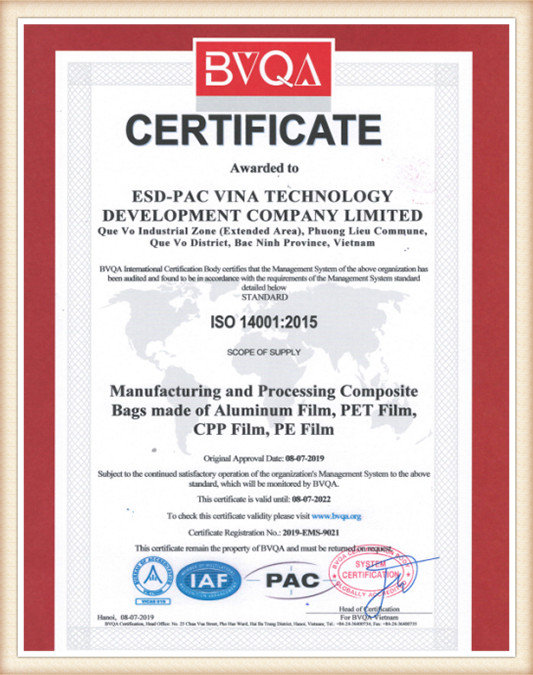
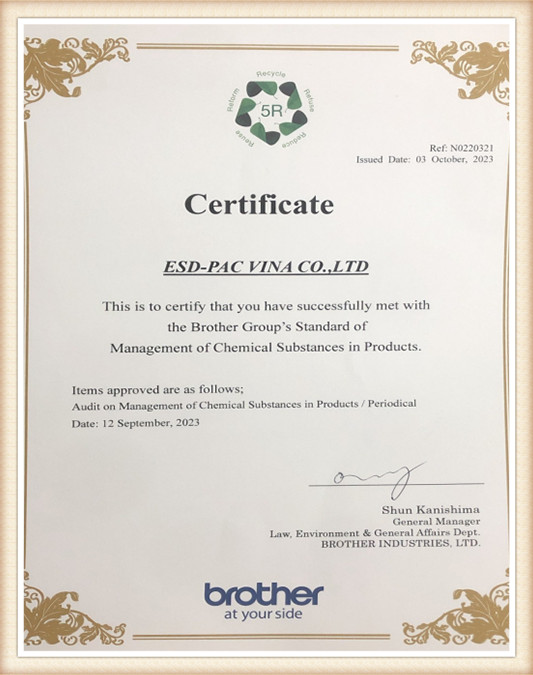
We build robust systems. Our manufacturing workflow adheres strictly to internationally validated regulatory structures. API 6D, API 607, CE, ISO9001, ISO14001, ISO18001, and TS certifications form the foundation of our engineering standards.
Crucial packaging mechanics, storage stability concerns, and customized industrial ordering specifications
Engineered high-barrier laminates, anti-static bags, and custom high-tensile packaging solutions
 ESD-PAC VINA