Explore our industrial-grade, multi-laminate technical packaging engineered to safeguard liquid goods, sensitive electronics, food, and high-value materials.
In the highly competitive international logistics landscape, bulk packaging efficiency is no longer a trivial consideration—it is a critical driver of profitability and a key component of corporate carbon-reduction initiatives. As manufacturing enterprises worldwide phase out rigid plastic drums, glass bottles, and traditional metal cans, the demand for wholesale liquid pouches has surged. Sourcing departments at leading multinational corporations are systematically transitioning to flexible Doypacks and spouted pouches for domestic and international distribution.
From a life-cycle assessment (LCA) perspective, flexible packaging delivers exceptional weight reduction, lowering packaging material mass by up to 70% compared to rigid alternatives. This structural weight reduction correlates directly with decreased transportation fuel costs and minimized logistical emissions. For global distribution networks, empty liquid pouches ship flat, maximizing shipping container utility. A single shipping container holding flat, un-filled spouted pouches is equivalent to approximately twenty-five containers of empty rigid plastic bottles. This dramatically lowers warehouse footprint costs and simplifies raw material inventory management.
The transition is heavily driven by search intent data and consumer-level behavior. Enterprise buyers are no longer looking for generic plastic bags; they search for highly technical keywords like "BPA-free high-barrier retort pouches for beverages", "1L-3L chemical-resistant custom spouted Doypacks", and "multi-layer laminated foil vacuum packaging with custom fitments." This shifting market demand emphasizes the need for a sophisticated, integrated manufacturer capable of executing custom barrier formulations, high-speed automated spout insertion, and cleanroom-compliant production.
To withstand the rigorous mechanical demands of high-volume manufacturing, automated shipping, and prolonged shelf-lives, liquid pouches must be engineered from advanced composite materials. A basic plastic film is insufficient; rather, a highly engineered, co-extruded, multi-layer polymer matrix is required to ensure complete isolation of the product from external elements.
At ESD-PAC VINA, our engineering department designs tailored laminates based on the chemical properties of the fill material. A typical high-performance liquid pouch consists of three to five distinct layers, each selected for its specific functional contribution:
This external layer provides exceptional mechanical strength, resistance to scuffing and abrasion during transport, and serves as an optimal substrate for high-fidelity rotogravure or flexographic printing. It maintains the package's structural layout and aesthetic appeal on retail shelves.
The core barrier layer. Aluminum foil (AL) provides a near-zero Oxygen Transmission Rate (OTR) and Water Vapor Transmission Rate (WVTR), completely shielding contents from ultraviolet light, moisture, and oxidation. For applications requiring transparency, Nylon (NY) or metalized polyester (VMPET) delivers supreme puncture resistance and drop-shock survival.
Formulated for direct product contact, this layer is selected for chemical compatibility, leak-proof thermal sealing, and crack resistance. Linear Low-Density Polyethylene (LLDPE) and Cast Polypropylene (CPP) provide the robust heat-seal strength required to prevent bursting under hydraulic pressure during high-impact drops.
For demanding chemical formulations such as concentrated laundry detergents, industrial cleaning agents, and high-acid food products, standard adhesives fail due to chemical migration. Our state-of-the-art solventless lamination processes prevent delamination, ensuring that the internal product remains chemically stable while the external structural integrity remains fully intact over multi-year storage cycles.
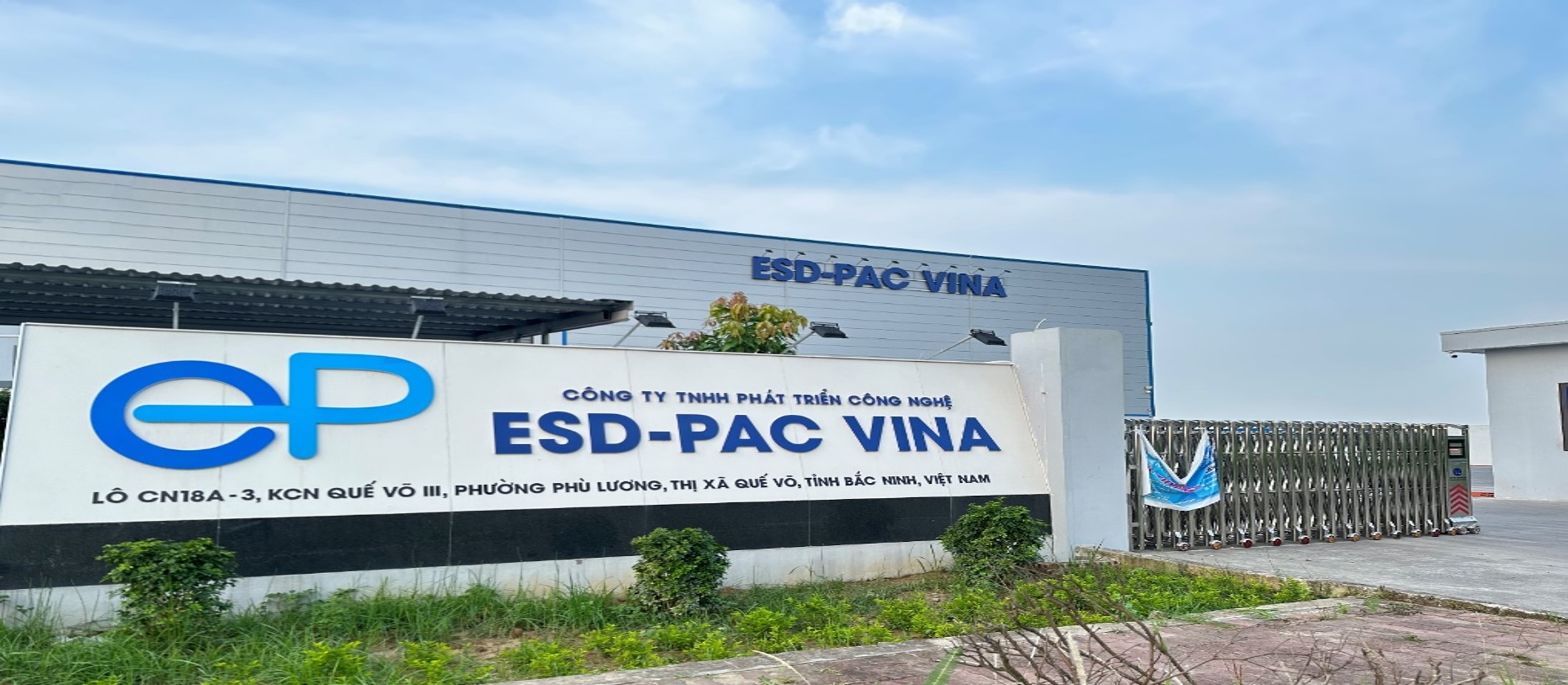
Founded in March 2018, ESD-PAC VINA has rapidly grown into a prominent global force in high-barrier flexible packaging manufacturing. Nestled in the heart of northern Vietnam's premier industrial hub—Quy Vu Industrial Park, Bac Ninh Province—our facility benefits from world-class logistical networks, direct port access, and a highly skilled engineering workforce.
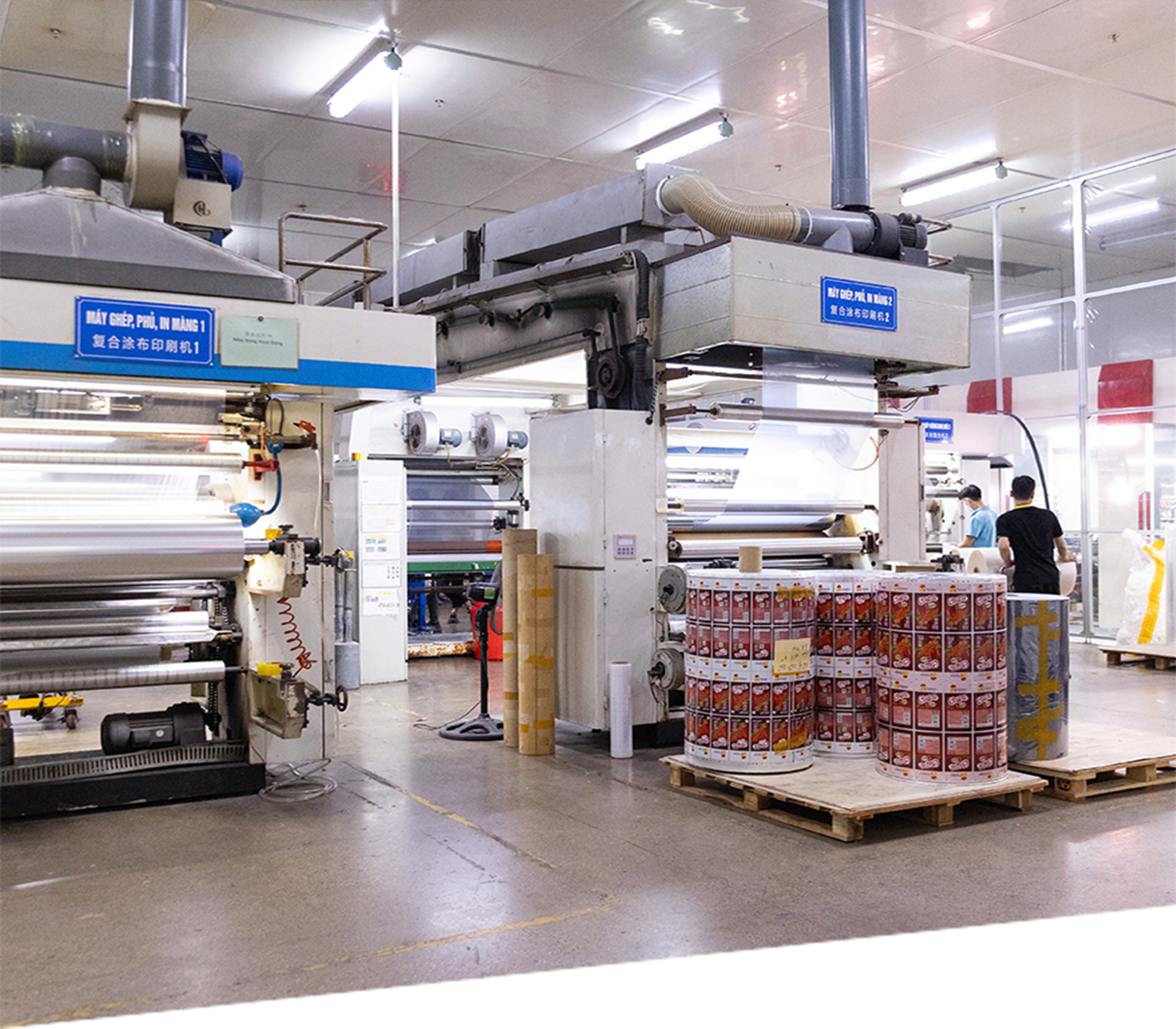
Our expansive manufacturing footprint spans 12,000 square meters across two highly modern, vertically integrated factories. We utilize state-of-the-art co-extrusion machinery, high-definition rotogravure printing presses, and specialized computerized pouch-forming systems. This end-to-end integration allows us to execute every step of production in-house—from initial raw material testing to film casting, composite lamination, precision slitting, spout welding, and final pressure testing.
Our corporate culture centers on unwavering quality control, sustainable ecological practices, and responsive global customer service. In an era where supply chain resilience is paramount, ESD-PAC VINA serves as a highly reliable, non-tariff-risk manufacturing partner for enterprises across North America, Europe, Oceania, and Asia.
At the core of ESD-PAC VINA is a profound commitment to sustainable development and environmental protection. Traditional rigid packaging contributes massive amounts of plastics to worldwide landfills. By engineered substitution, our custom light-weighting designs reduce overall raw plastic consumption by up to 60% compared to heavy-gauge rigid bottles.
We actively utilize eco-friendly, solvent-free adhesives and low-VOC printing processes to ensure our manufacturing operations maintain a low environmental footprint. Furthermore, our R&D team is continually pushing the boundaries of mono-material recyclable stand-up pouches (PE-only) and biodegradable flexible packaging barriers, helping our global client base meet stringent corporate ESG (Environmental, Social, and Governance) targets.
Precision sourcing, strict material traceability, and continuous self-improvement under our ISO management standards ensure that we consistently deliver premium quality products that preserve your brand equity and protect the ecosystem.
Every product category has distinct physical properties, chemical reactivity, and barrier needs. We engineer specialized solutions across vital industrial domains.
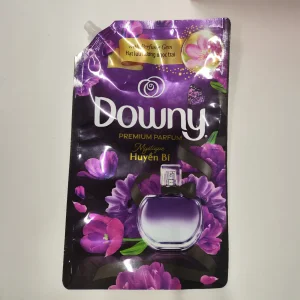
Concentrated soaps, fabric softeners, and chemical agents demand extreme surfactant resistance. We manufacture robust 1L, 2L, and 3L refill Doypacks with ergonomic spouts, built to withstand chemical corrosion, survive rigorous drops, and prevent slow chemical seepage through the sealant layer.
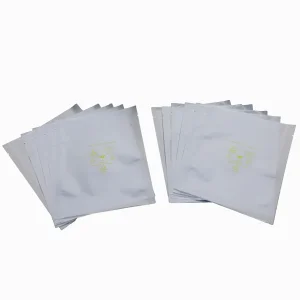
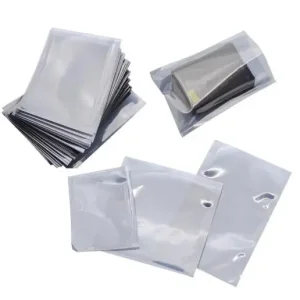
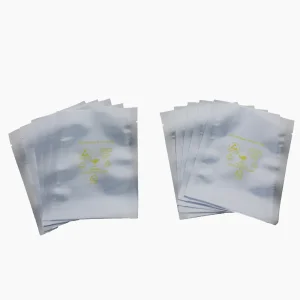
Sensitive microchips, printed circuit boards (PCBs), and optical assemblies are vulnerable to ESD and moisture. Utilizing our state-of-the-art translucent electrostatic discharge (ESD) safe films and heavy-duty metalized moisture barrier foils, we safeguard electronic components against electrical charges and relative humidity.
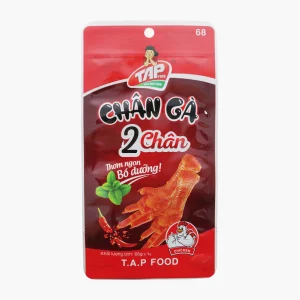
Spouted liquid packaging for juices, purees, dairy, and energy gels requires exceptional oxygen isolation and sterile processing. Our food-grade films are manufactured in compliant environments, utilizing FDA-approved polymers designed to withstand hot-fill methods and pasteurization without compromising flavor or safety.
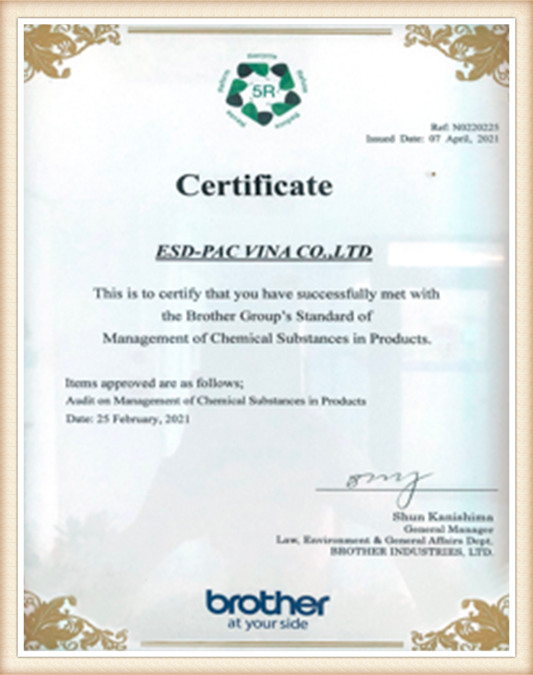
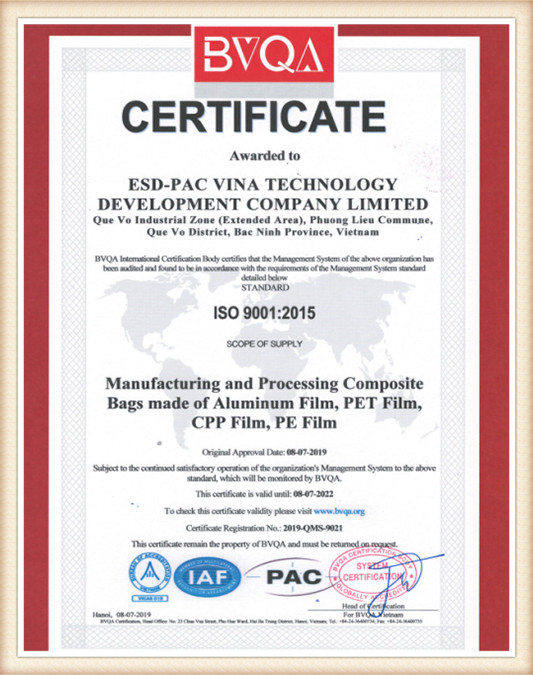
Global supply chains demand absolute compliance. Our manufacturing plants operate under rigorous international quality frameworks to ensure product reliability and batch consistency.
ESD-PAC VINA operates under a comprehensive set of verified standards, demonstrating our commitment to manufacturing precision and structural reliability:
API 6D, API 607, CE, ISO 9001, ISO 14001, ISO 18001, and TS Certificates
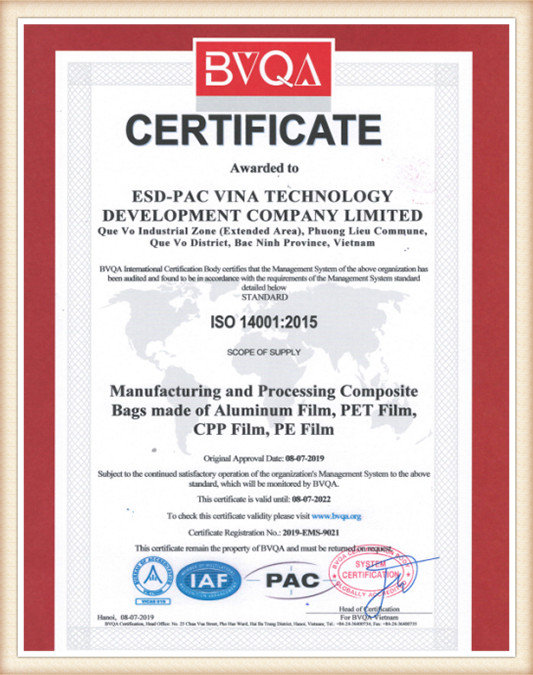
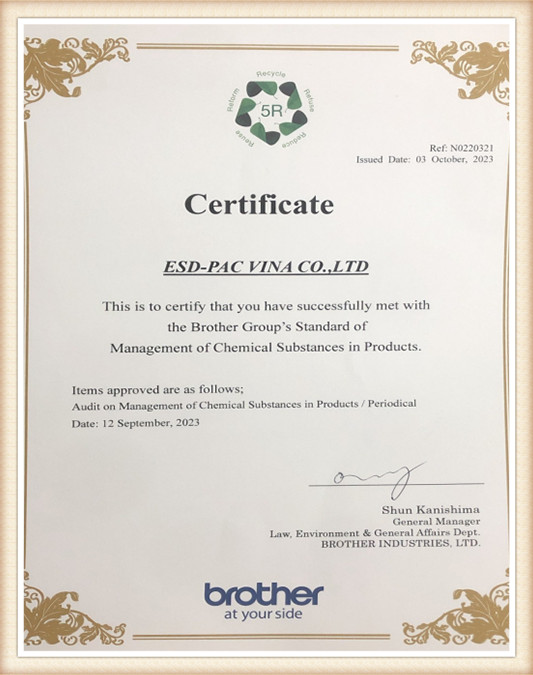
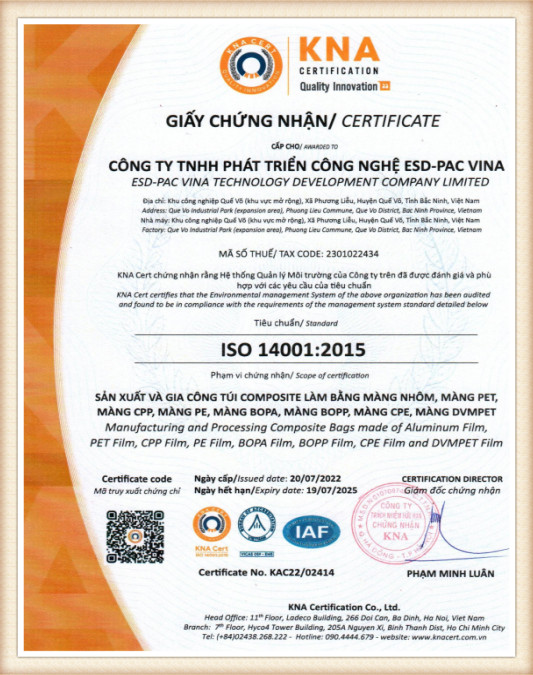
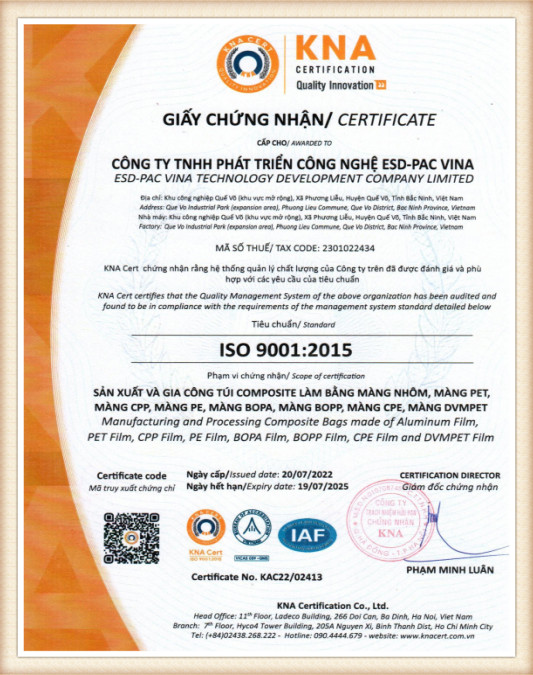
As global consumer packaged goods (CPG) companies adapt to shifting municipal circular economy requirements and chemical regulations, packaging technology must continuously evolve. Our engineering roadmap outlines the technological advancements driving our research and development:
Precision fitment engineering and high-frequency hermetic sealing processes are designed to eliminate microscopic leak points. This advancement ensures 100% leak-proof security for high-fluidity chemical compounds, detergents, and cosmetic concentrates.
Engineering multi-layer PE structures that match the high barrier properties of traditional multi-polymer laminates. This achievement enables global brands to transition to 100% recyclable, circular-ready packaging without compromising product shelf life.
Embedding high-performance RFID tags, dynamic anti-counterfeiting micro-features, and specialized heat-sensitive color indicators. These technologies support modern supply chains with end-to-end trace-and-track visibility and real-time freshness validation.
Providing clear, transparent, and technically sound answers to the most common questions raised by procurement managers and design engineers.
Select from our complete range of specialized structural films, high-density anti-static barriers, and versatile food-grade liquid pouches.
 ESD-PAC VINA