Explore our high-performance ESD safeguarding systems, industrial liquid packaging, and certified food barrier protective bags engineered to protect your supply chain assets.
Architecting strategic containment solutions that buffer global high-tech supply chains against dynamic environmental and electrostatic threats.
The modern supply chain landscape is fraught with dynamic physical risks: electrostatic discharges (ESD) neutralizing highly sensitive microelectronic components, ambient moisture initiating oxidative corrosion in high-purity medical elements, and volatile environment-induced deterioration of high-value commodities. Established in March 2018 in the strategically positioned industrial cluster of Bac Ninh Province, Vietnam, our state-of-the-art packaging enterprise has risen as a benchmark manufacturer of advanced composite foils, anti-static functional polymers, high-barrier metalized shielding matrices, and high-performance vacuum preservation barriers.
By blending core material research with advanced multi-layer thermal lamination, we offer a comprehensive suite of packaging structures that secure delicate microprocessors, pharmaceutical formulations, complex chemical materials, and premium consumable goods throughout global intermodal transport networks.
Advanced Facility Footprint
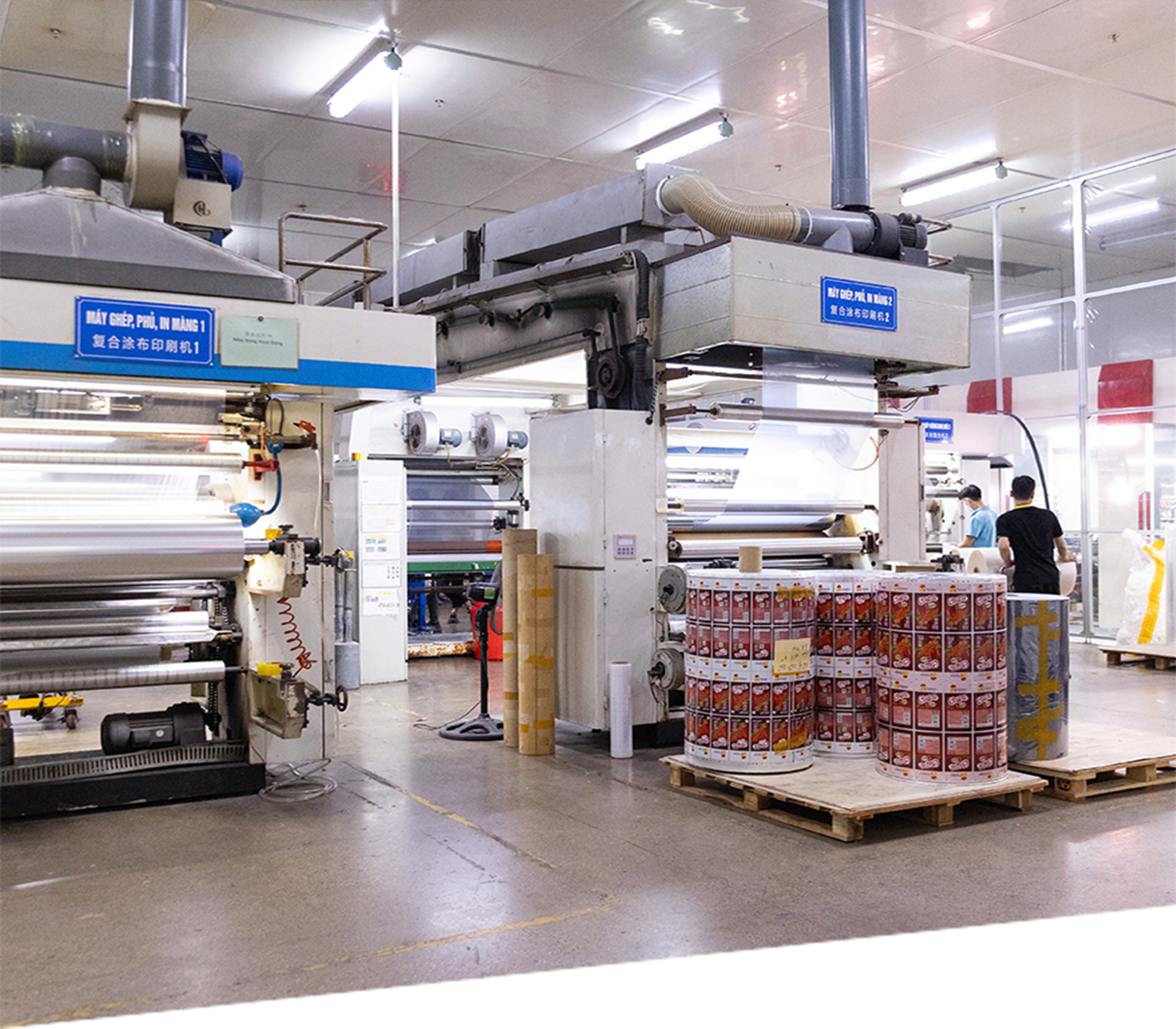
Precision Anti-Static Lamination
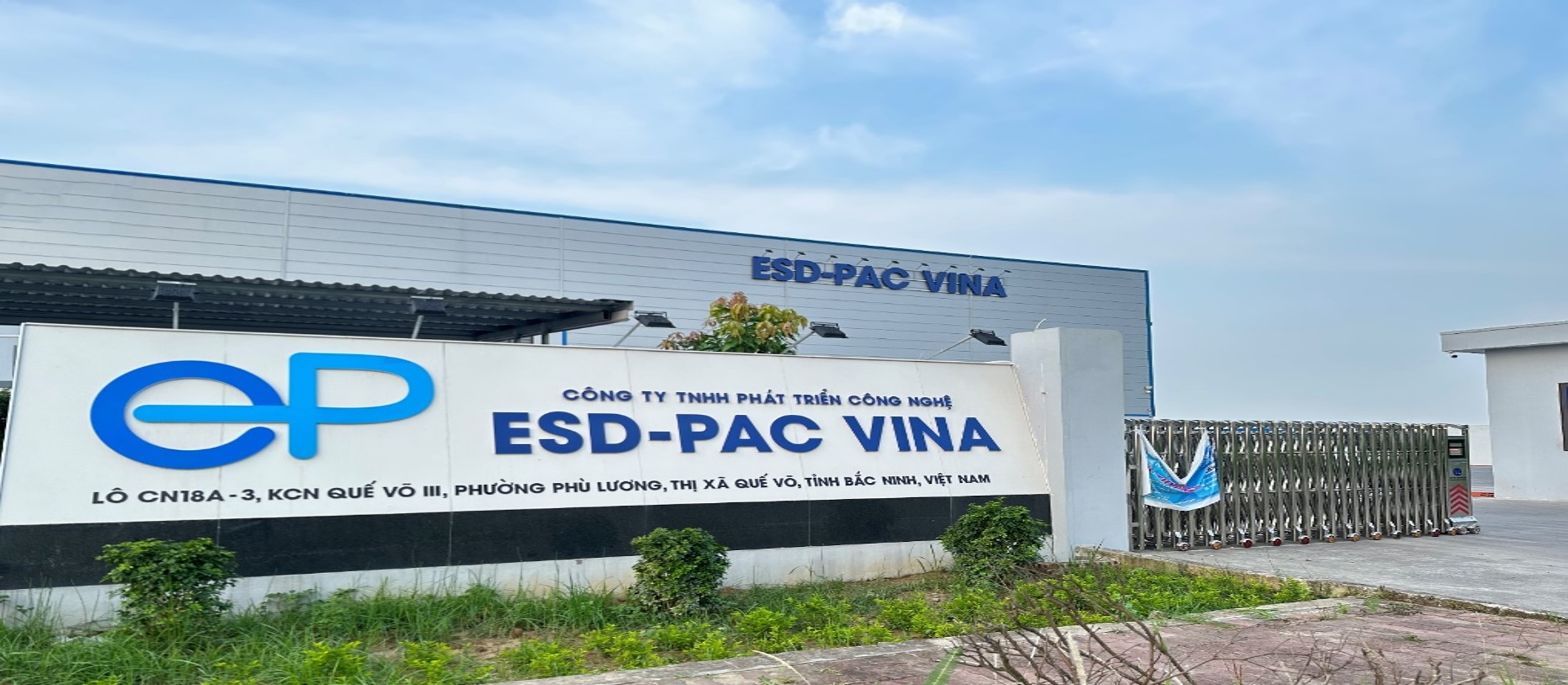
Combining primary chemical production resilience with local manufacturing networks to safeguard logistics and lower geopolitical risks.
Our dual-regional strategy utilizes the massive raw polymer production capacity and polymer research institutes of China, while operating local, tariff-exempt lamination, bag making, and cleanroom packaging within Vietnam's industrial corridors.
By leveraging regional trade frameworks (RCEP, EVFTA, US-Vietnam Bilateral Treaties), global supply managers can avoid punitive duties and tariffs on precision electronic packaging components while securing cost-competitive, premium materials.
We maintain deep stock levels of specialty raw materials, including ESD masterbatches, high-purity aluminum resins, EVOH high-barrier matrices, and anti-static additives, avoiding global supply chain shocks.
Production Workspace Area
ESD Surface Resistivity
Moisture Vapor Transmission Rate
ISO, CE, API Compliant
Investigating the next frontiers of high-barrier polymeric laminates, bio-compostable substrates, and dynamic ESD protection matrices.
Our commitment to continuous technological development drives our material engineering decisions. Today, our research focuses on achieving high barrier properties with minimal environmental impact. Our research and development focuses on three primary fields:
Developing molecular-level carbon networks within functional outer layers. This replaces traditional surfactant-based coatings, ensuring permanent, humidity-independent electrostatic dissipation with zero volatile organic transfer.
Engineering complex multi-layer laminates utilizing pure Polyethylene (PE) or Polypropylene (PP) combinations, co-extruded with nanometer-thin EVOH gas barriers. These materials provide exceptional protection against water vapor and oxygen while fitting into standard recycling systems.
Printing conductive tracks and RFID antennas onto anti-static substrates. This enables real-time monitoring of ESD environments, package integrity, and temperature fluctuations during global transport.
High-performance protective structures optimized for precise industrial standards and demanding logistical scenarios.
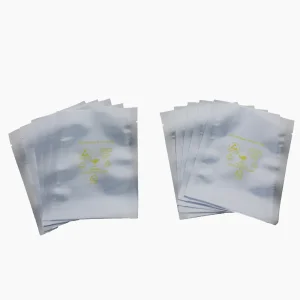
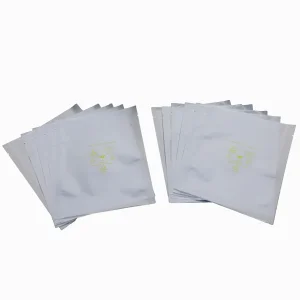
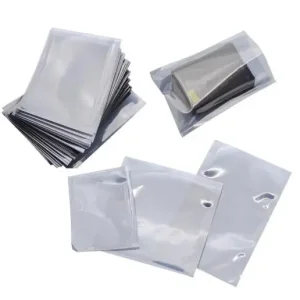
Semiconductors and PCBs are highly susceptible to sudden electrostatic discharges. Our Faraday cage-style metalized shielding bags create a secure barrier that blocks external static fields.
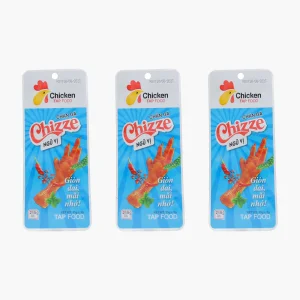
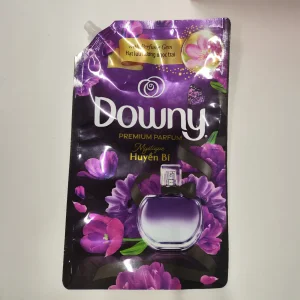
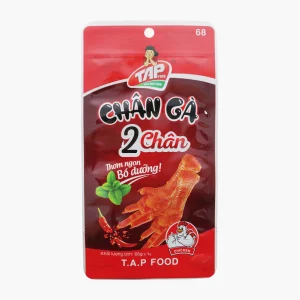
Liquid detergent, consumer liquids, and high-performance foods require structural integrity and leak resistance under external pressures.
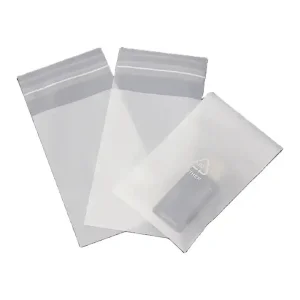
Fine powders, chemical reagents, and active polymers are prone to agglomeration from atmospheric humidity and static buildup during transport.
Our production lines operate under verified global frameworks, assuring traceability and quality at every step.
We follow international manufacturing protocols to ensure our high-barrier foil laminates, vacuum packaging, and ESD shielding products are safe for global industries.
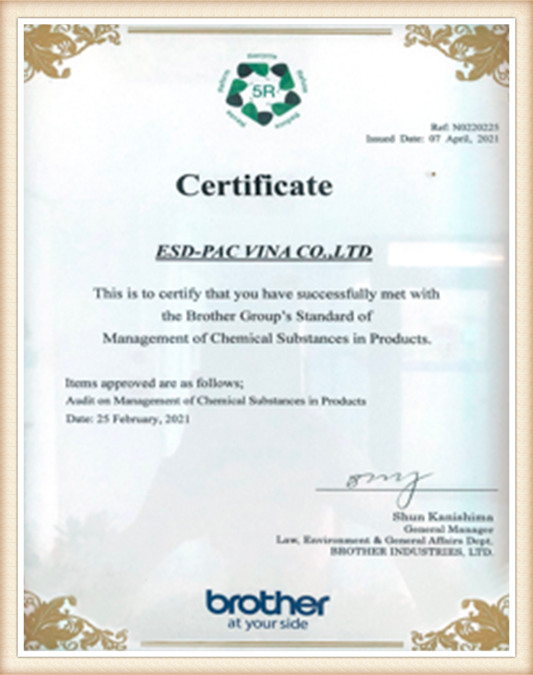
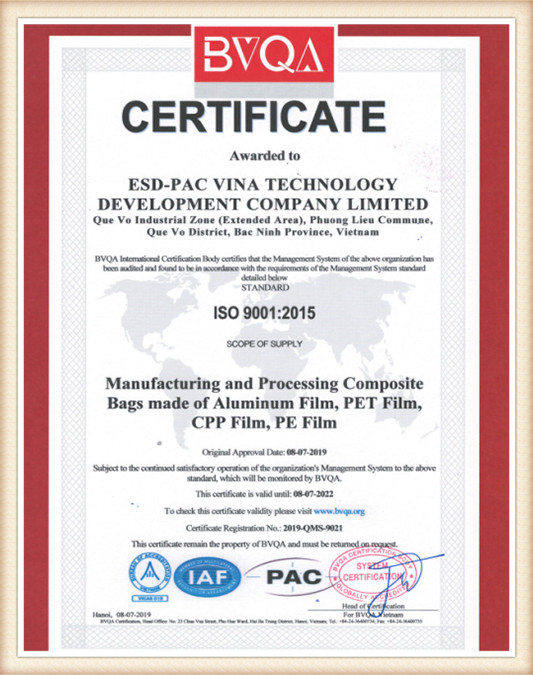
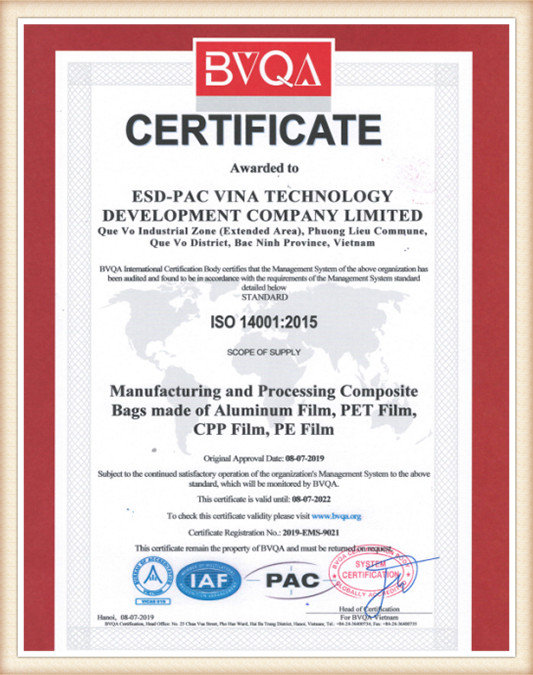
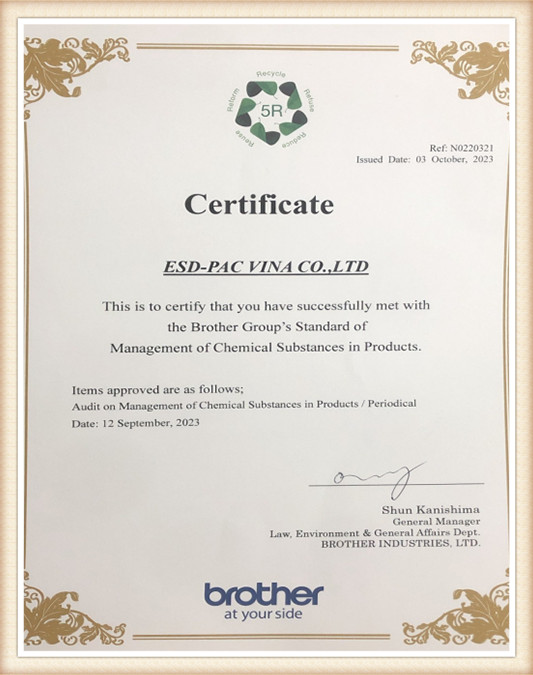
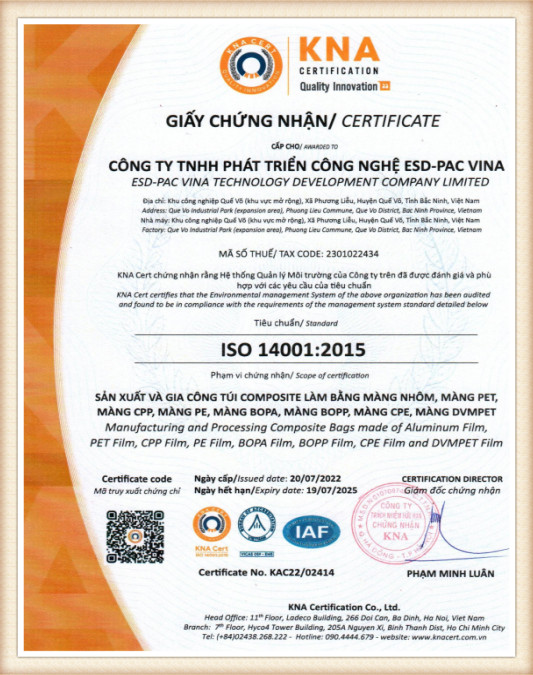
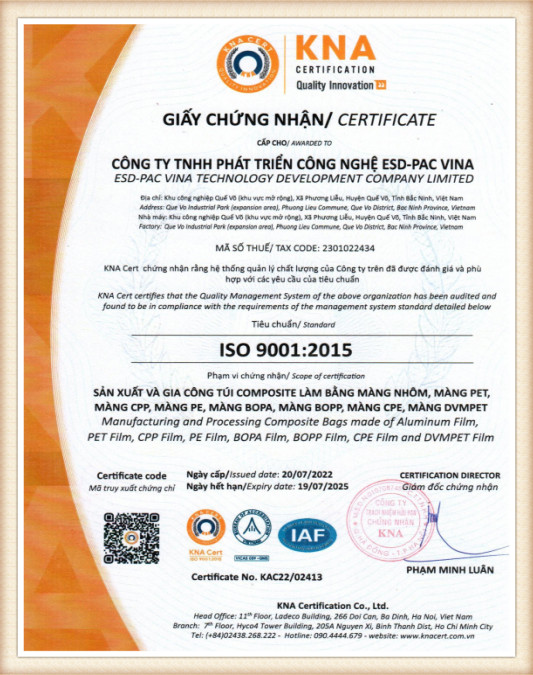
A structured framework for international purchasing agents to optimize procurement cycles and minimize risks.
When sourcing custom flexible packaging, procurement managers should look beyond basic costs to evaluate a supplier's raw material security, testing facilities, and supply chain reliability. Our factories in Vietnam's Quy Vu Industrial Park, Bac Ninh, integrate manufacturing, research and development, and testing to maintain consistent quality.
Incoming raw materials undergo complete testing, including thickness validation, moisture barrier checks, static decay testing, and film tensile profiling before production begins.
Our R&D team generates functional prototypes within 48 to 72 hours, using structural simulations to optimize thickness while maintaining required barrier properties.
With nearby port infrastructure in Haiphong, Vietnam, and integrated shipping networks, we provide reliable sea and air transit options to major markets in Europe, America, and Asia.
Answering key structural questions from global procurement managers, packaging engineers, and logistics directors.
Standard anti-static pink polyethylene bags are treated with chemical surfactants that prevent static charges from generating on the bag's surface via friction. However, they lack shielding capabilities and cannot block external static fields.
Metalized ESD shielding bags utilize a multi-layer design featuring a metalized Faraday cage layer (typically aluminum vapor deposition) sandwiched between static-dissipative polyester and polyethylene layers. This design shields sensitive electronic components from external electrostatic fields, while the inner layers prevent internal static buildup.
Barrier performance is measured by Water Vapor Transmission Rate (WVTR, under ASTM F1249) and Oxygen Transmission Rate (OTR, under ASTM D3985). These metrics are determined by the foil thickness and lamination quality.
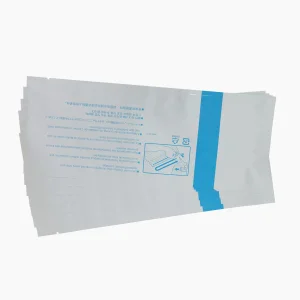
Adding a pure aluminum foil layer (typically 7 to 9 microns thick) reduces the OTR and WVTR to nearly unmeasurable levels (<0.01 cc/m2/day). For cost-effective applications, vapor-deposited metalized films (like VMPET) provide moderate barrier properties suitable for short-to-medium-term storage.
Every production batch undergoes strict quality control testing in our analytical laboratories, including:
Operating from our Quy Vu Industrial Park facility in Bac Ninh Province, Vietnam, allows us to utilize extensive free trade agreements (including EVFTA, CPTPP, RCEP, and the US-Vietnam Bilateral Trade Agreement).
This geographic positioning enables us to ship directly to North American and European markets without the punitive duties and tariffs applied to Chinese-origin exports, offering a reliable, cost-effective alternative for global supply chains.
Yes. Custom liquid detergent Doypacks and chemical barrier bags utilize specialized co-extruded polymers that resist chemical degradation and environmental stress cracking. Our materials are engineered to prevent delamination when exposed to aggressive surfactants, alcohols, and acids, ensuring long-term packaging integrity.
Explore our complete range of certified flexible packaging, designed to meet the strict standards of modern global logistics.
 ESD-PAC VINA