 ESD-PAC VINA

New England Industrial Packaging Outlook: Solving the Boston Conundrum
1. The Boston Industrial Matrix: High-Value, Zero-Tolerance Innovation
The Greater Boston Area—encompassing Cambridge, the Route 128 Technology Corridor, and expanding logistics nodes in Worcester and New Hampshire—presents one of the most intellectually dense and high-value industrial landscapes in the world. Dominated by biopharmaceuticals, medical devices, robotic engineering, aerospace-defense, and cutting-edge semiconductor design, this regional ecosystem does not view packaging as a mere logistical afterthought. Instead, packaging is treated as an active, integrated component of the product's protective structure.
Whether protecting a multi-million-dollar optical wafer from ambient moisture, ensuring a sterile cold-chain pouch protects biological agents during deep-freeze storage, or ensuring military-grade avionics escape Electrostatic Discharge (ESD) threats in route, Boston enterprises require absolute technical integrity. Traditional commercial-grade plastics fall miserably short in these use-cases. Our specialized barrier pouches, ESD shield designs, and high-barrier laminates are custom-engineered to meet precisely these critical demands, serving as the first line of defense for New England's most valuable technological assets.
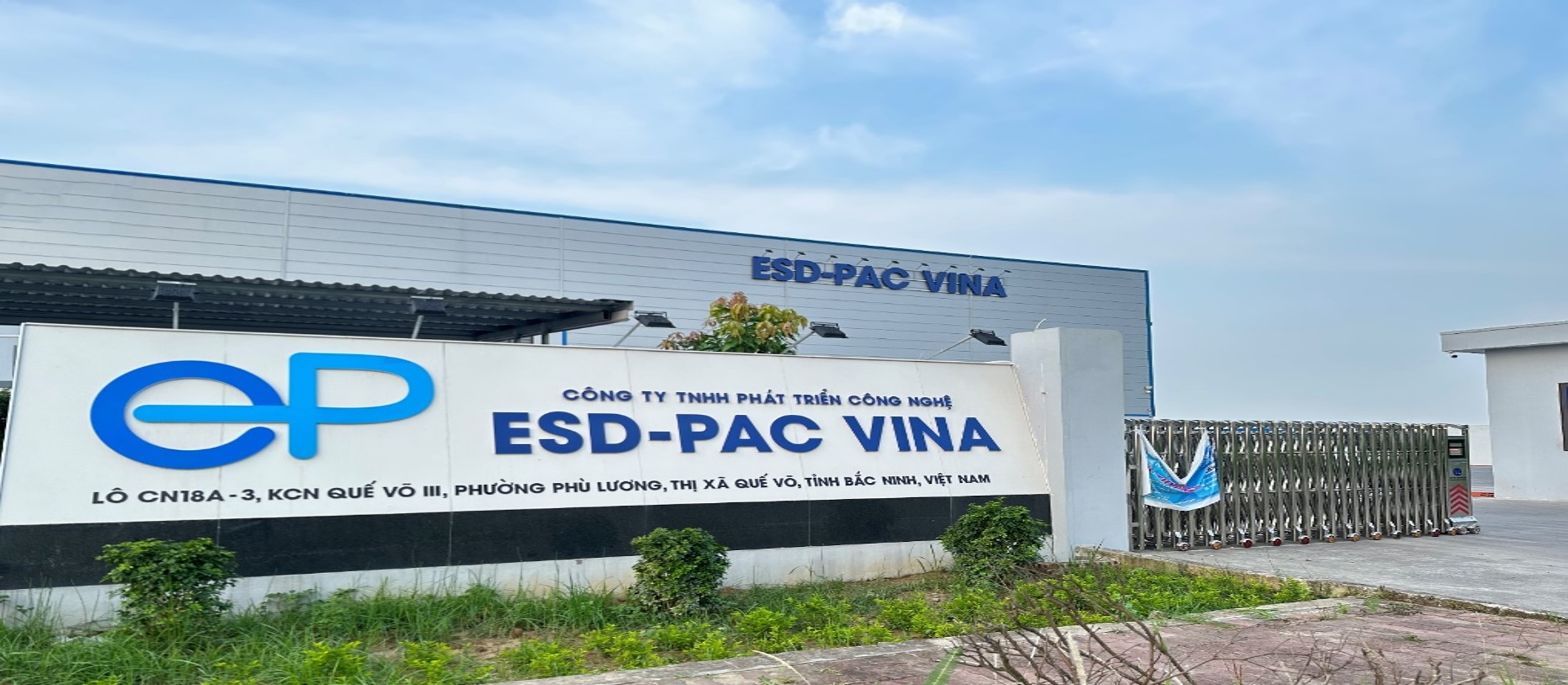
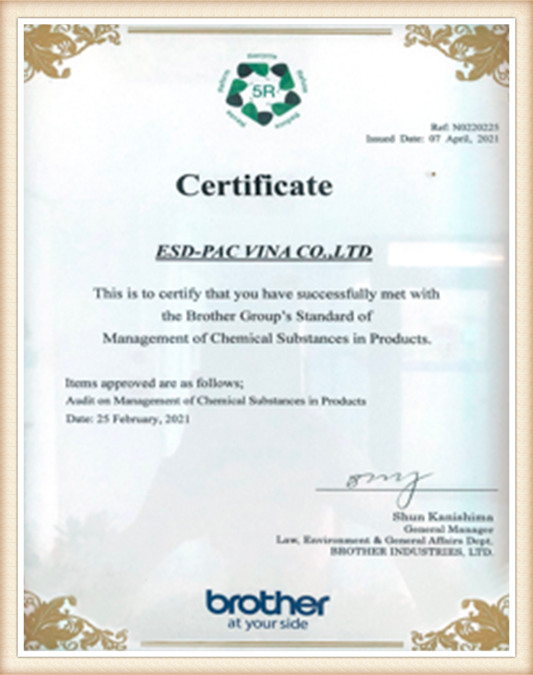
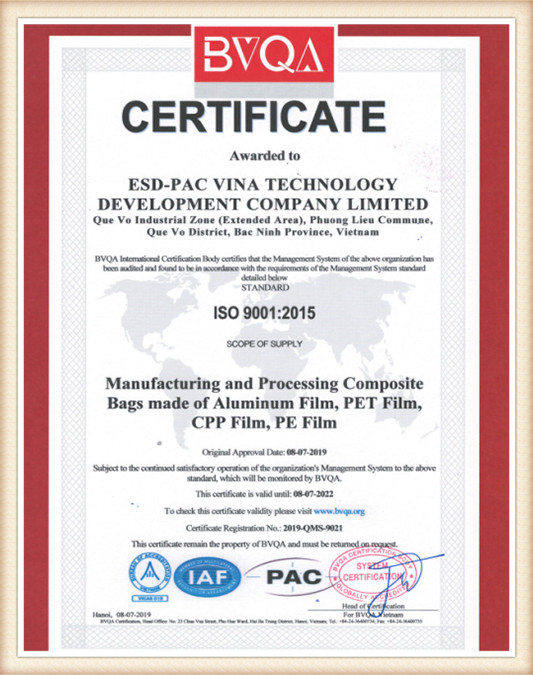
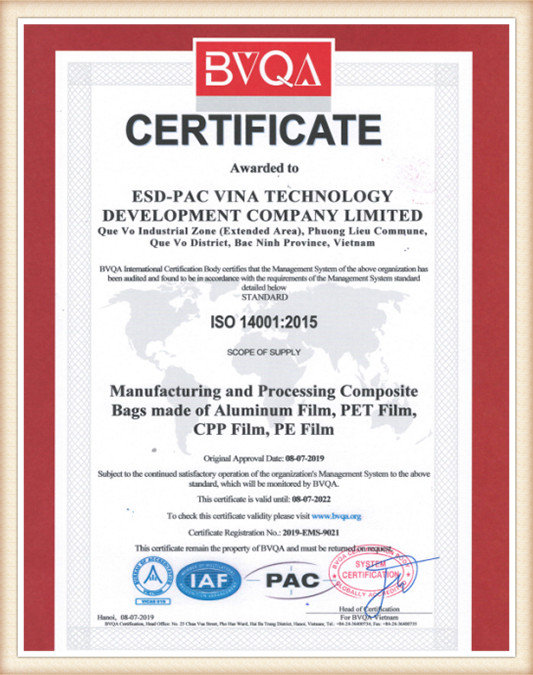
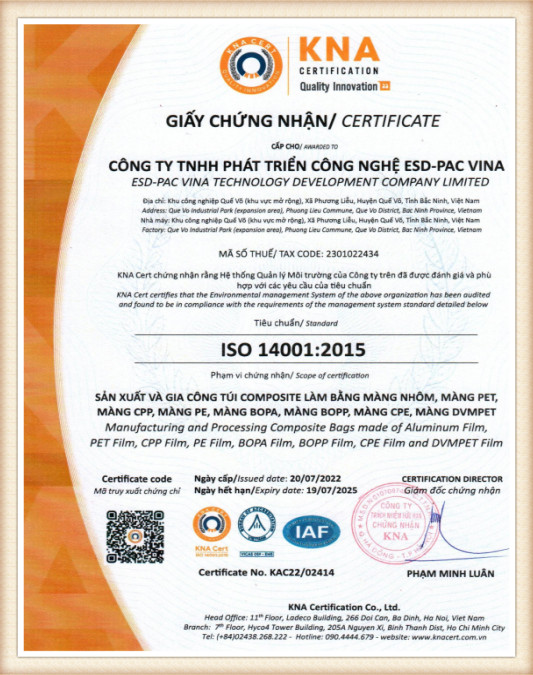
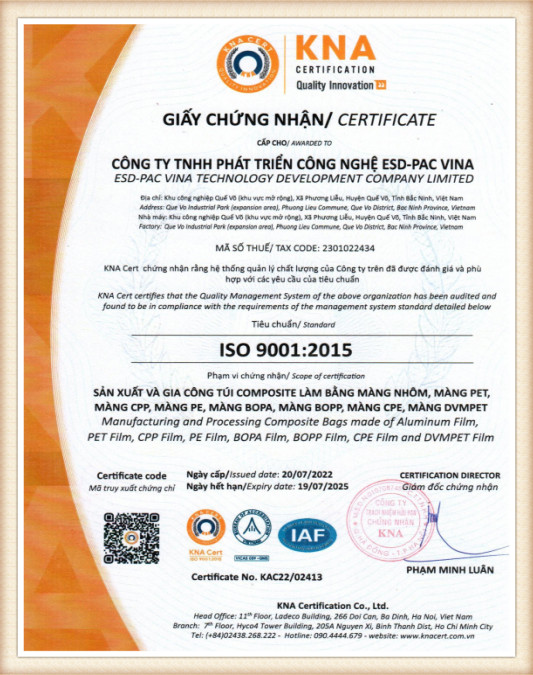
SEO Value Gain Highlight: Boston's regulatory environments demand adherence to ASTM, military-grade MIL-SPEC ESD, and FDA guidelines. As a specialized manufacturer, ESD-PAC VINA bridges these heavy technical compliance hurdles by shipping directly from our tariff-free, ISO-certified manufacturing hubs in Bac Ninh, Vietnam.
2. Global Dynamic Resiliency: Why Sourcing Strategy is Transitioning Beyond Domestic Boundaries
In the wake of prolonged shipping vulnerabilities, international supply chain architecture has evolved. Boston procurement leaders are actively shifting away from singular domestic sourcing models, which suffer from high labor costs and limited raw material scalability, while simultaneously avoiding highly taxed Chinese plastomer direct shipments. In this complex dynamic, our Vietnam-based production acts as a stabilizing anchor.
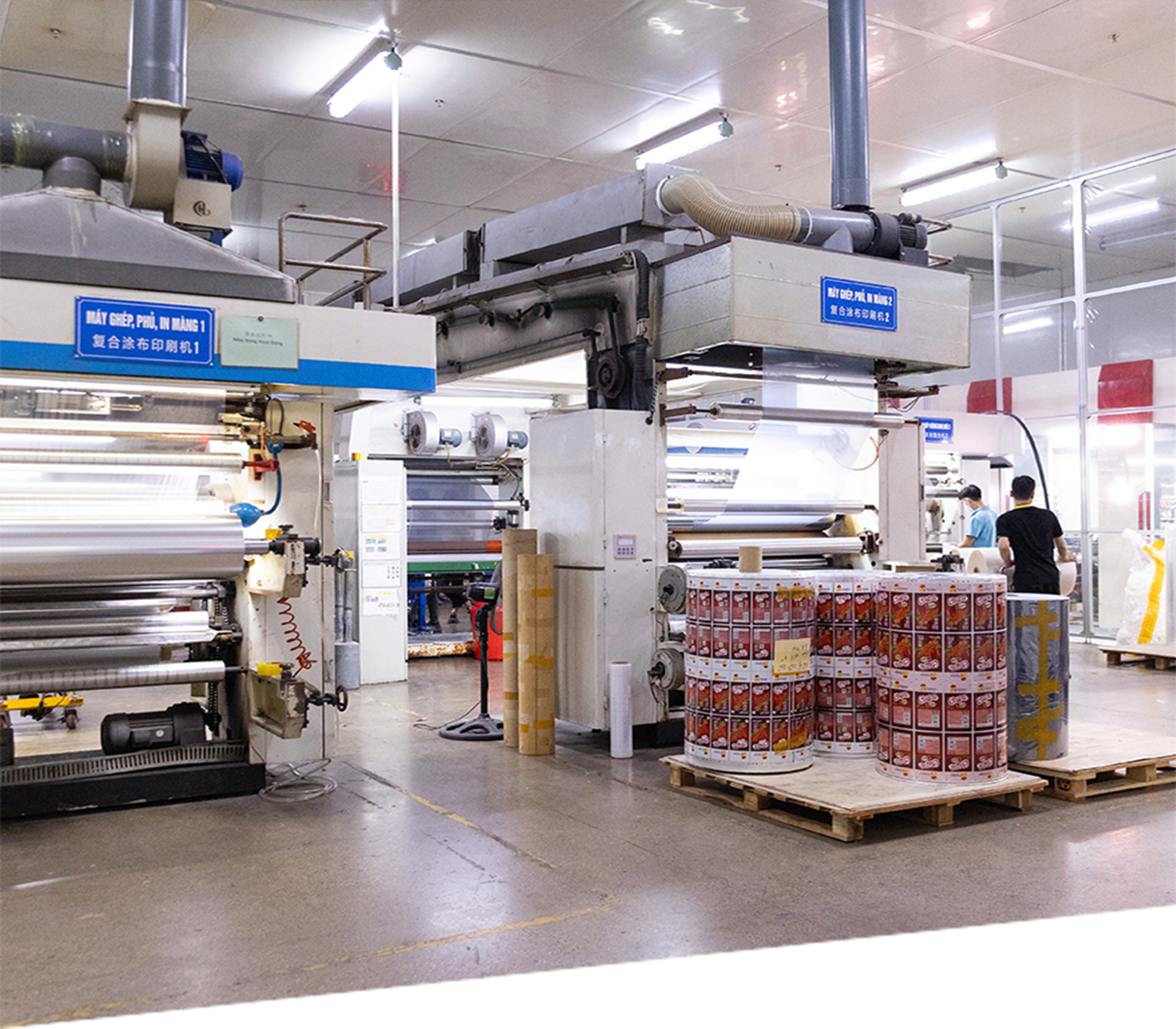
Operating a dual-integrated raw material sourcing supply line from optimized Asian chemical hubs, while performing end-to-end extrusion, compounding, printing, and bag forming in Quy Vu Industrial Park, Bac Ninh, Vietnam, we provide the ultimate strategic advantage. This configuration isolates New England procurement managers from severe Section 301 tariffs on Chinese polymers (often exceeding 25%), while bringing the massive cost efficiencies and advanced high-speed processing machinery associated with the region's top industrial ecosystems.
3. Engineering Deep-Dive: Material Chemistry & Surface Resistivity Control
To fully grasp the technical scope of the packaging systems required by global enterprises, it is helpful to analyze the structural layers of our flagship electrostatic and high-barrier lines:
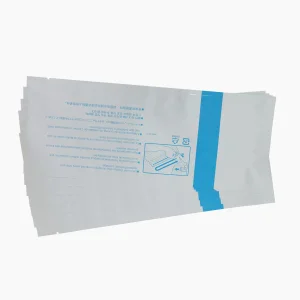
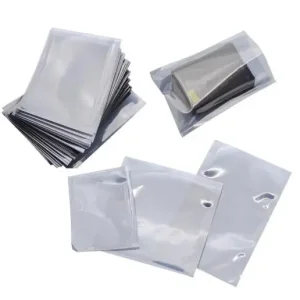
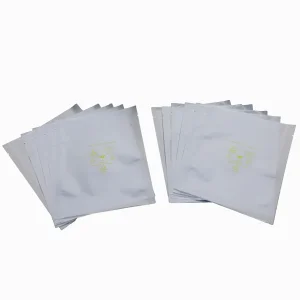
- Faraday Cage Electrostatic Shielding: Utilizing multi-layer laminates comprising an outer static-dissipative polyester layer, a vapor-deposited aluminum core layer, and an inner anti-static polyethylene film. The result is a bag that guarantees a static decay rate of less than 0.05 seconds under extreme humidity variables.
- High-Barrier Aluminum Laminations: Formulated using ultra-dense foil matrices that lower the Moisture Vapor Transmission Rate (MVTR) to less than 0.005 g/100 sq. inches/24h. This is critical for preventing dry-gas degradation in chemical powder storage and military optoelectronics.
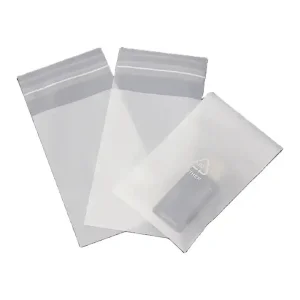
- CPE Semi-Transparent Soft Formulations: Our Chlorinated Polyethylene (CPE) bags offer extreme chemical resistance and high elasticity, but crucially, a surface texture designed to prevent micro-abrasions on optical coatings and precision instrument bezels without chemical outgassing.
4. Specific Local Use-Cases & Application Scenarios
Our operational presence extends across distinct industrial hubs within New England:
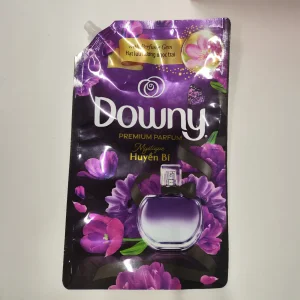
- Biotech & Cold Chain Preservation (Kendall Square, Cambridge): Using spouted liquid doypacks designed to handle deep cryogenic storage down to -80°C without mechanical crystallization or seal fracturing.
- Advanced Robotics & Semiconductor Wafers (Waltham & Bedford): Employing multi-barrier anti-static foil bags tailored to keep high-frequency electronic controls free from atmospheric oxidative processes and electrostatic shocks.
- Laser & Defense Hardware (Route 128 Corridor): Delivering custom, custom-printed, high-tensile ESD barrier materials that satisfy MIL-DTL-81705E guidelines, assuring protective status under battlefield handling stresses.
In each scenario, our production teams optimize material structures to match unique atmospheric and operational parameters, optimizing logistics costs and ensuring the zero-defect integrity of target goods.