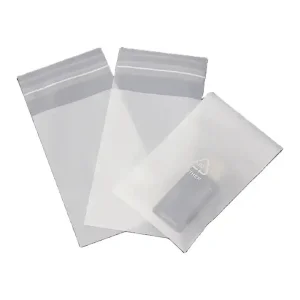
Engineered high-barrier and static shielding solutions tailored for Istanbul's dynamic industrial manufacturing hubs
The modern packaging sector is undergoing a tectonic shift, evolving from a simple containment utility into an active, protective component of global supply chains. As a critical geopolitical and logistics crossroad bridging Europe, Asia, and North Africa, the Istanbul packaging market has emerged as a powerhouse for distribution, custom packaging manufacturing, and regulatory compliance orchestration.
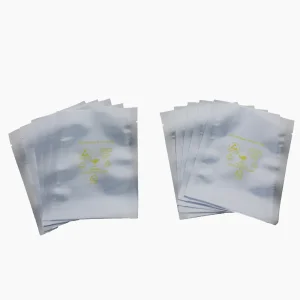
Istanbul is no longer merely a regional transit corridor; it is a major industrial testing ground for global standard compliance. By connecting Eastern European electronics manufacturing houses, Middle Eastern chemical processing plants, and Western European retail ecosystems, local businesses demand nothing less than ultra-protective, high-barrier, and Electrostatic Discharge (ESD) safe packaging materials. For packing products manufacturers, this requires delivering state-of-the-art flexible materials, metalized static shielding pouches, and customized high-barrier food packaging bags that meet the exact requirements of both Turkish industries and strict EU regulations (REACH, RoHS).
"Information Gain Metric: Standard polymer structures are being replaced rapidly by co-extruded, high-barrier metalized films that achieve water vapor transmission rates (WVTR) below 0.05 g/m²/24h. This shift ensures the structural integrity of critical electronics and highly sensitive chemical solutions throughout prolonged transport chains."
Istanbul’s primary industrial parks—such as İkitelli, Tuzla, and Hadımköy Organized Industrial Zones—serve as high-output epicenters for diverse industries, including consumer electronics, automotive assembly, premium retail textiles, and complex food processing. Each of these zones operates under specific material constraints:
On a global scale, the flexible packaging sector is moving toward extreme material optimization. This optimization is driven by two main trends: **high-barrier protection for advanced high-tech goods** and **environmental sustainability transitions**.
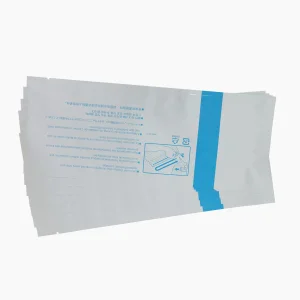
First, the electronics and defense industries are demanding active packaging that resists moisture, oxygen, and electromagnetic interference (EMI). Standard polyethylene bags are no longer sufficient. Advanced options like multi-layer metalized laminate structures (PET/AL/NY/PE) are now the standard, providing a true physical block against micro-particles and moisture.
Second, international environmental mandates are pushing manufacturers to optimize raw material usage without sacrificing performance. This includes the development of ultra-thin co-extruded films and clean, mono-material structures designed for easy recycling. The ultimate goal is to minimize carbon footprint while keeping products fresh and damage-free throughout the global distribution cycle.
To understand how high-performance packaging operates in and around Istanbul, let us analyze three major real-world applications:
To achieve exceptional protection, we design our materials with multiple engineered layers, each serving a specific protective function:
Bridging production capacity and local distribution networks in Istanbul and Europe
Welcome to our high-tech manufacturing company, located in the bustling industrial zone of Bac Ninh Province, Vietnam. Established in March 2018, we have quickly become a leading manufacturer of premium protective packaging, including high-performance barrier foil, anti-static films, aluminum pouches, anti-static bags, and heavy-duty vacuum bags.
We operate two modern factories in Quy Vu Industrial Park, Bac Ninh, and have recently expanded our production facility to 12,000 square meters. This physical expansion reflects our ongoing commitment to providing our global partners with high-quality, high-barrier protective packaging at competitive prices.
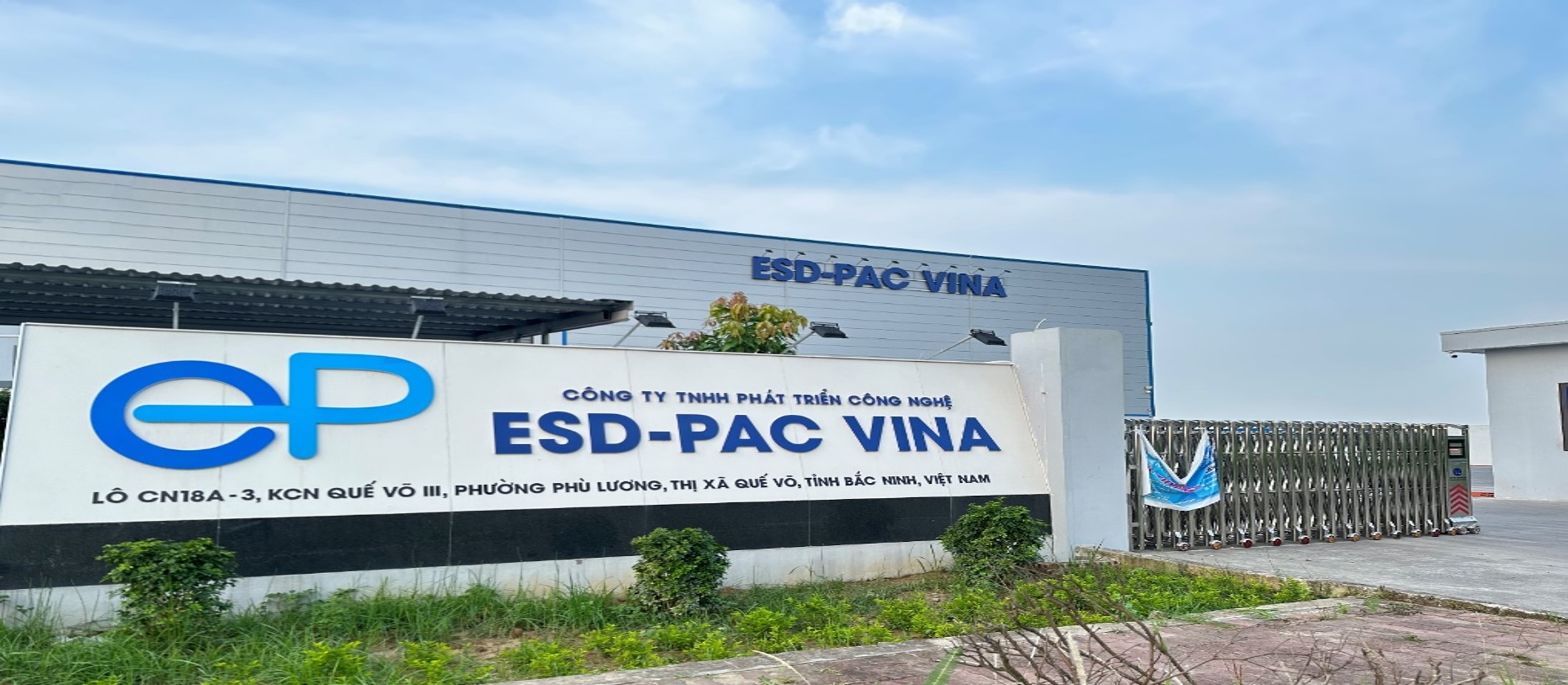
By integrating in-house manufacturing, direct international sales channels, and a dedicated research & development team, we ensure our products remain at the forefront of the flexible packaging industry. This focus on innovation and quality control makes us a trusted supply partner for businesses seeking dependable packaging solutions in key hubs, including Istanbul and the broader European market.
We prioritize precision and attention to detail at every step of our operations, from raw material sourcing and polymer extrusion to custom printing, lamination, bag making, and final quality control.
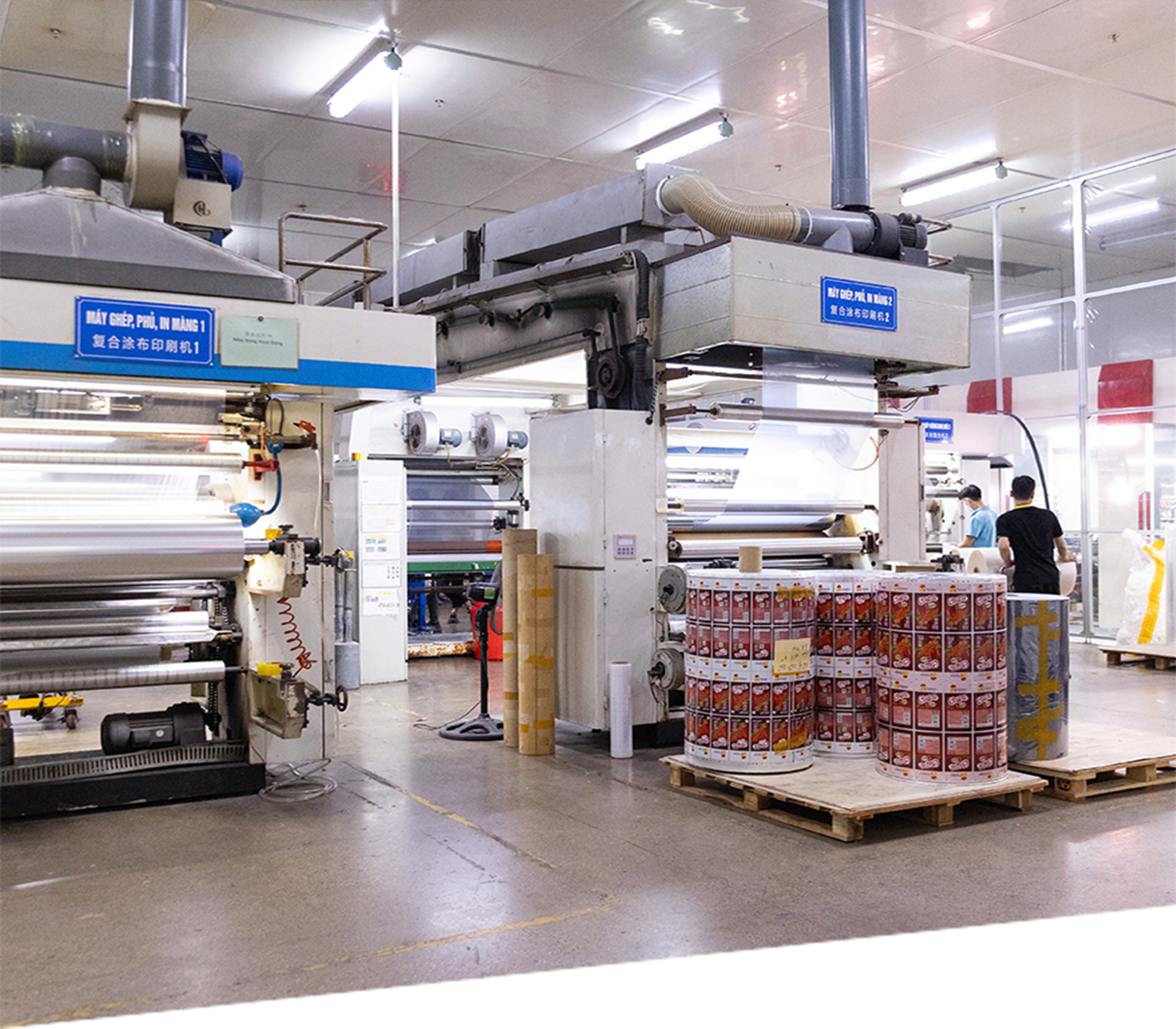
Sustainability is also central to our corporate culture. We strive to minimize our environmental footprint by using resources efficiently, managing waste responsibly, and developing eco-friendly packaging materials. Our goal is to consistently exceed client expectations while contributing to their environmental and operational goals.
Fully compliant with the highest global industrial and safety benchmarks
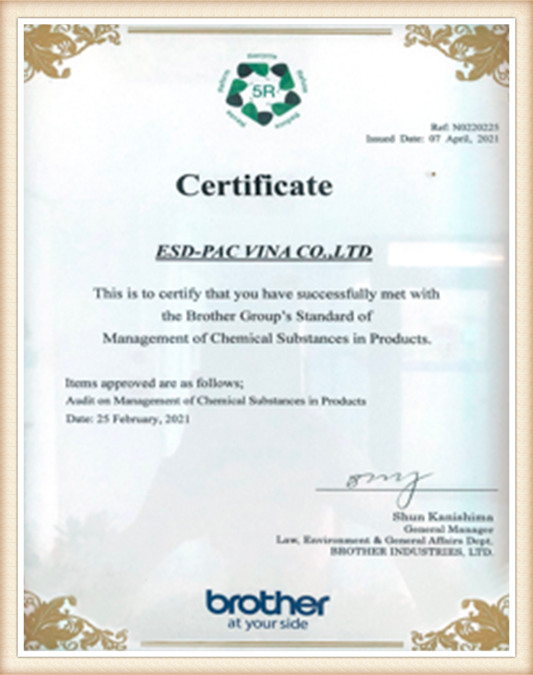
Our processes and materials are audited and certified to meet key standards, including API 6D, API 607, CE, ISO9001, ISO14001, ISO18001, and TS. For questions regarding our compliance certifications, please contact our quality control department.


Answers to common technical questions about ESD protection and high-barrier material performance
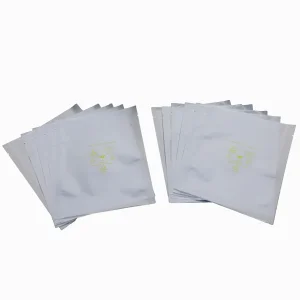
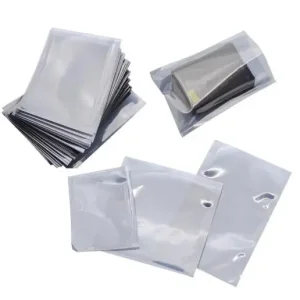
An ESD shielding bag uses a multi-layer design to form a Faraday cage. The exterior layer dissipates surface charges, while the middle metalized layer (typically aluminum) blocks external electrical fields. An internal antistatic layer prevents static build-up inside the bag, ensuring sensitive components remain protected during transit and handling.
Standard pink antistatic bags are made of low-density polyethylene treated with an antistatic additive. They prevent static generation on the bag itself, but they **cannot** block external electrical fields. Static shielding bags, on the other hand, feature a metalized layer that shields internal electronics from external ESD events.
International shipping routes often experience varying climates and high humidity. High-barrier materials prevent water vapor and oxygen from entering the packaging, protecting components from corrosion, oxidation, and contamination during transit.
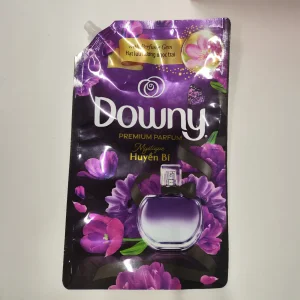
Flexible spouted doypacks use up to 70% less plastic material than rigid plastic bottles of the same volume. This lightweight design helps lower shipping costs and carbon emissions, while reducing waste volume and overall packaging costs for brands.
Industrial packaging products should comply with ISO 9001 (quality management) and ISO 14001 (environmental management). Specialty applications, such as electronics or food-grade storage, often require specific certifications like RoHS, REACH, and FDA compliance to ensure safety and quality standards are met.
Explore our complete range of high-barrier, antistatic, and protective packaging materials
 ESD-PAC VINA