Engineered to resist coastal humidity, high-salinity oxidation, and long-transit degradation across Pacific trade routes.
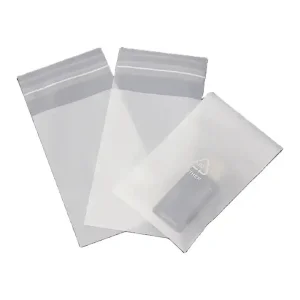
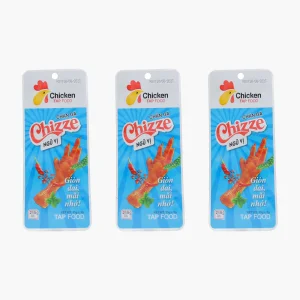
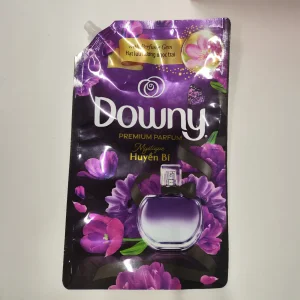
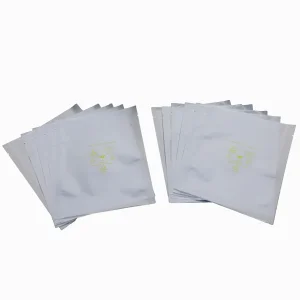
Developing viable packaging distribution channels for Remote Pacific Island nations such as Kiribati (Tarawa, Kiritimati) requires an understanding of extreme environmental variables. With annual relative humidity hovering between 75% and 90%, paired with high ambient temperatures and aggressive marine salt-spray concentrations, standard packaging fails rapidly.
We analyze the mechanical, chemical, and physical stresses placed on cargo during maritime transit. Our multi-layer co-extruded films and customized vapor barrier composites have been optimized specifically to address the degradation vectors found in maritime micro-climates. We provide global supply-chain integration, helping Kiribati-based fisheries, importers, and public utilities preserve their products from deterioration.
Get Engineering Consult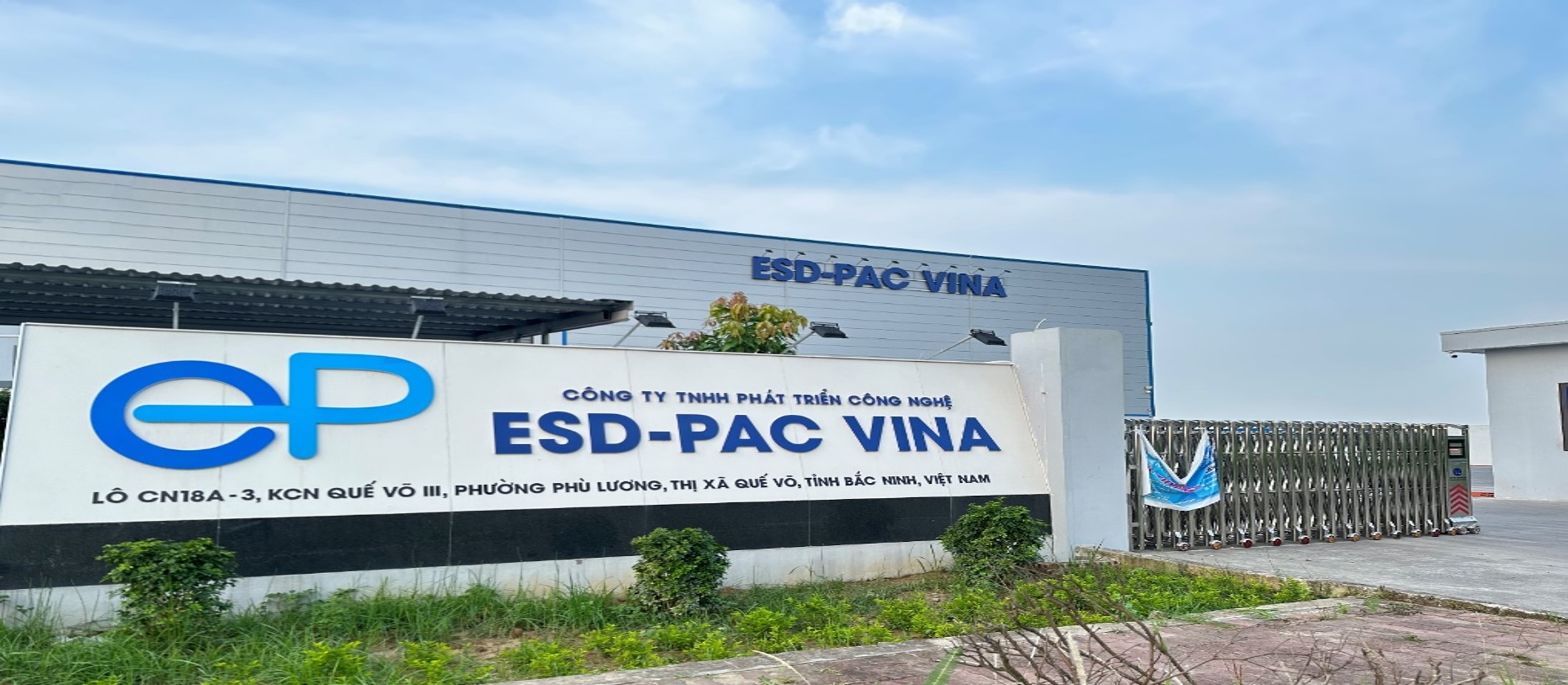
Why conventional packaging solutions degrade, and how advanced material engineering mitigates product loss.
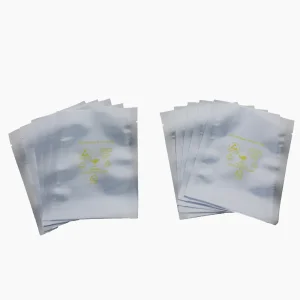
High chloride concentrations in the air near Tarawa atolls cause accelerated oxidation. Packaging for telecommunications, electronics, or solar storage projects requires robust ESD metalized barrier envelopes with near-zero vapor transmission rates (MVTR).
Average daily temperatures of 31°C combined with elevated humidity speed up chemical decay in organic foodstuffs and cause polymer degradation. High-barrier films with optimized oxygen transmission rates (OTR) preserve copra, root crops, and marine exports.
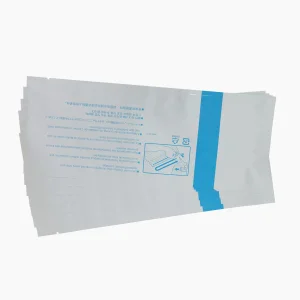
Shipping lines servicing Kiribati transit through hub ports like Suva (Fiji) or Brisbane (Australia), resulting in transit times of 30 to 60 days. Standard carton boxes absorb ambient water vapor, lose structural strength, and expose goods to crushing forces. Our moisture barrier aluminum foil foils insulate contents from high-moisture air.
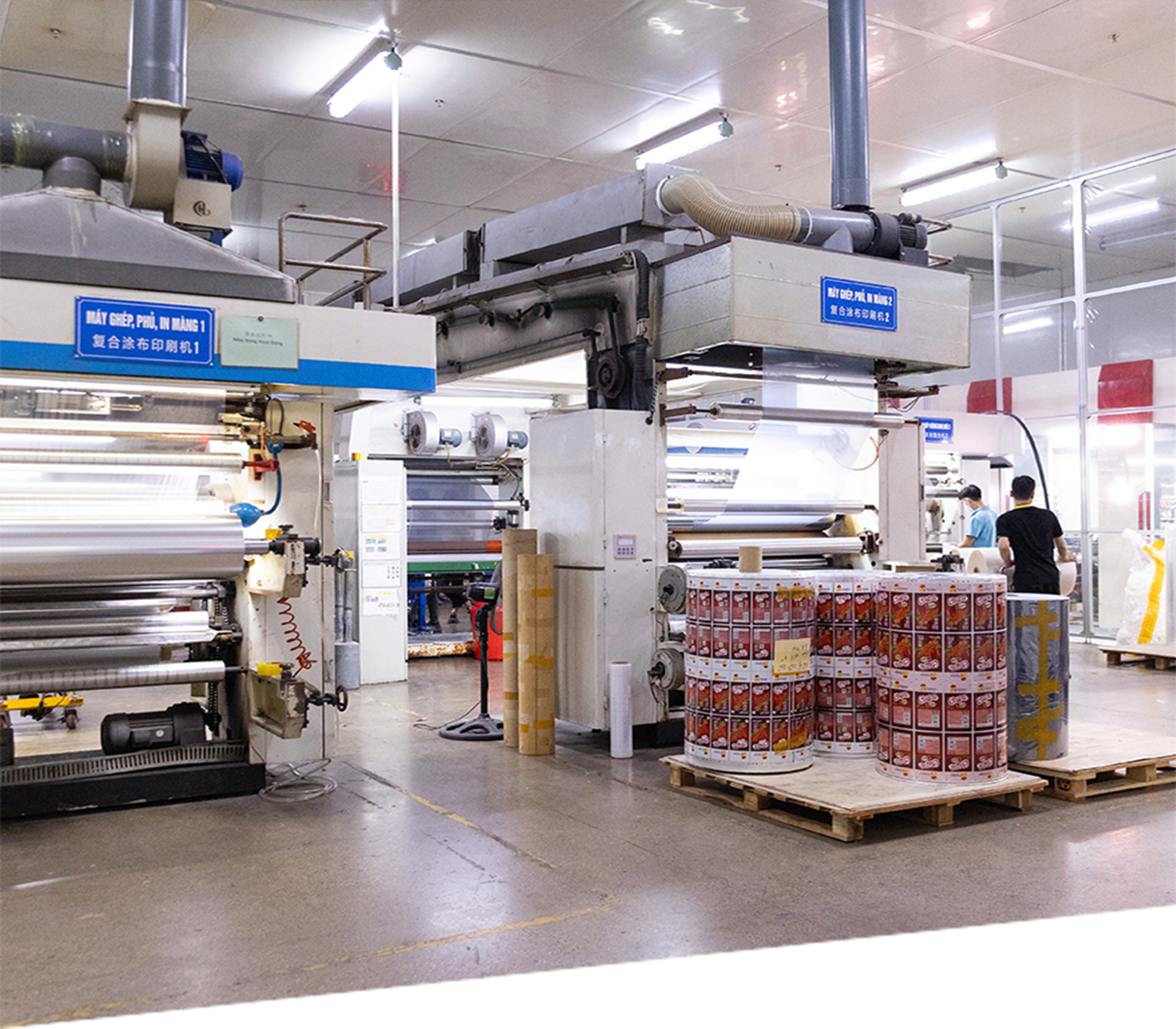
Welcome to our high-tech manufacturing company, located in the bustling industrial zone of Bac Ninh Province, Vietnam. Established in March 2018, we have quickly become a leading manufacturer of products such as foil, anti-static film, aluminum pouches, anti-static bags, and vacuum bags.
We operate two modern factories in Quy Vu Industrial Park, Bac Ninh, and have recently expanded our factory area to 12,000 square meters. This growth reflects our commitment to providing our customers with the highest quality products.
Our company integrates manufacturing, sales, and research & development to ensure we remain at the forefront of technological advancements in the packaging industry. This dedication to innovation and superior quality makes us a reliable partner for businesses seeking premium packaging solutions.
We are committed to continuous improvement, rigorous quality control, and responsive customer service to meet the ever-changing needs of our customers worldwide. From raw material sourcing to manufacturing and final product delivery, we prioritize precision and attention to detail.
Quantifying the protective values of our composite laminates under tropical stress profiles.
Our aluminum barrier foils prevent moisture, oxygen, and other environmental factors from affecting product quality. Similarly, our anti-static films and bags protect sensitive electronic components from static discharge, ensuring they remain safe and functional throughout packaging and shipping. Additionally, our vacuum bags offer a reliable solution for extending the shelf life of perishable items, ideal for food and pharmaceutical applications in Kiribati's warm climate.
| Material Configuration | MVTR (g/m²/24hr) (38°C, 90% RH) | OTR (cc/m²/24hr/atm) (23°C, 0% RH) | Static Decay Rate (5kV to 50V) | Target Industry / Application |
|---|---|---|---|---|
| PET/AL/NY/PE (Aluminum Foil Laminate) | < 0.005 | < 0.010 | N/A | Copra Export, Seafood Preservation, Medical Devices |
| PET/VMPET/CPE (Metalized Shielding Pouch) | < 0.050 | < 0.500 | < 0.05 seconds | Utility Infrastructure Electronics, Solar Componentry |
| PA/PE (Co-extruded Vacuum Film) | < 2.000 | < 30.000 | N/A | Frozen Tuna Export, Dried Fish Packaging, Agri-Retail |
| High-Tech Antistatic PE Film | < 5.000 | N/A | < 2.00 seconds | Sub-assembly components, Cleanroom environments |
Strategic structural packaging solutions engineered to enhance local commercial development.
Kiribati holds one of the largest Exclusive Economic Zones (EEZ) globally. To optimize the value of yellowfin tuna exports, our co-extruded high-puncture-resistant vacuum bags prevent freezer burn and oxygenation, maintaining structural stability down to -40°C.
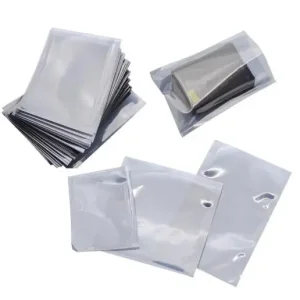
Off-grid solar initiatives are critical to the outer islands of Kiribati. Our metalized ESD protection bags provide comprehensive Faraday cage insulation, ensuring solar controllers, circuit board modules, and lithium cells are guarded against electrostatic shock and moisture-induced corrosion.
Copra is a vital export driver for Kiribati communities. Traditional storage bags suffer from pest infiltration and moisture rancidity. Our heavy-duty hermetically sealed barrier liners shield raw agricultural commodities from microbial degradation, sustaining high market value upon global arrival.
Navigating the complex shipping routes of the South Pacific requires strong manufacturing scale. ESD-PAC VINA supports Kiribati businesses with comprehensive cargo tracking, custom logistics routing, and optimized packing density to lower freight fees per container.
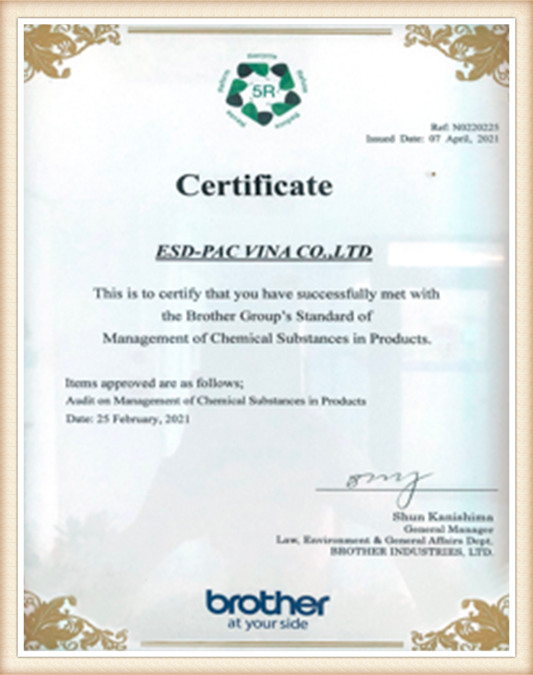
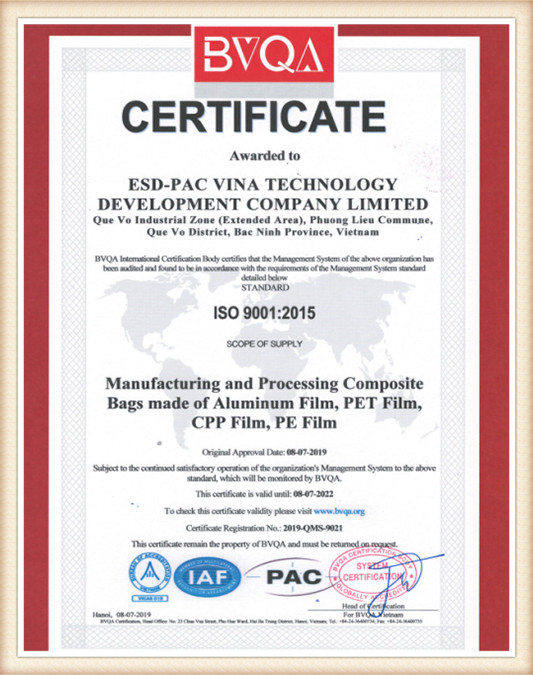
All raw resins and laminated composites are accompanied by certification and material test certificates, securing smooth custom processing at Tarawa Port. Our systems comply with standard marine cargo environmental controls, protecting against mold, moisture, and temperature fluctuations during tropical sea transits.
As a company, we are deeply committed to sustainability and environmental responsibility. We strive to minimize our environmental impact by implementing eco-friendly practices throughout our operations. From efficient resource utilization to responsible waste management, we are committed to creating a positive environmental impact.
This matches Kiribati's national sustainability initiatives, prioritizing thin-profile, recyclable high-tensile multi-layered laminates that cut down raw waste volumes on atolls with limited landfill capacities.
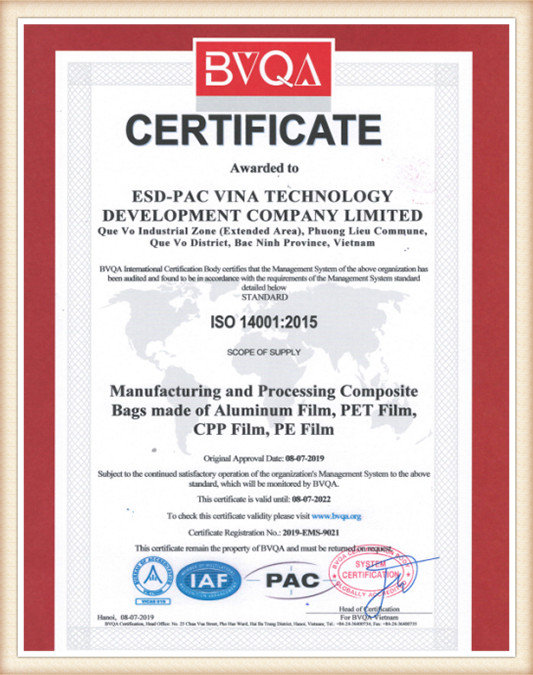
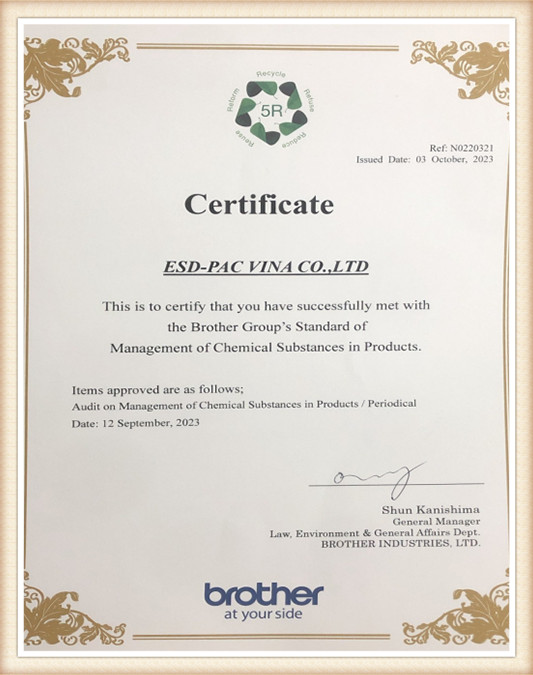
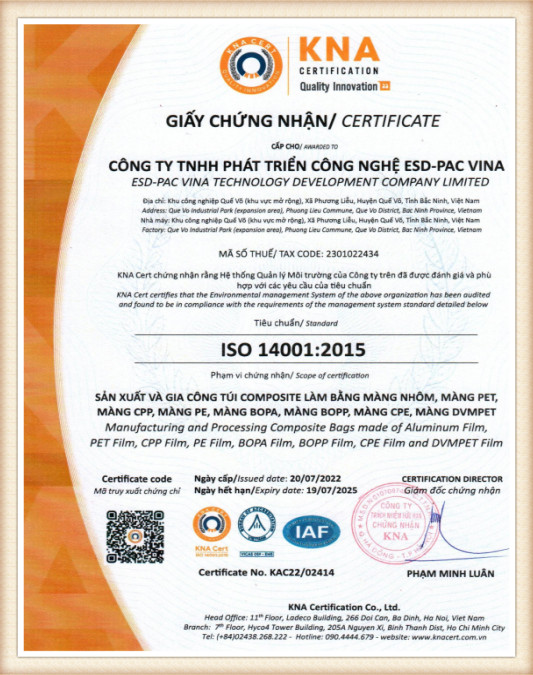
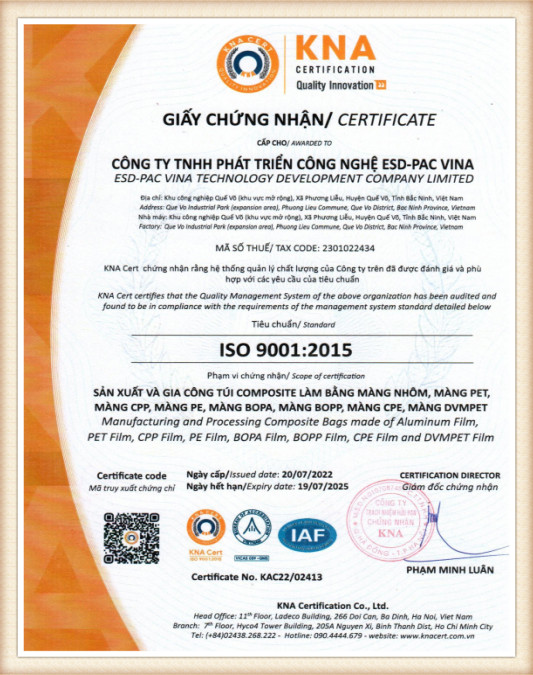
API 6D, API 607, CE, ISO9001, ISO14001, ISO18001, TS. (If you need our certificates, please contact us.)
High-barrier structures, anti-static bags, and customized retail formulations.
In-depth technical answers regarding packaging durability, transport protection, and material choices.
Kiribati's atmosphere contains high amounts of relative humidity and airborne salt, which can create a conductive layer of moisture on exposed electronics. This increases the risk of electrochemical corrosion and short-circuits. Standard plastic bags generate triboelectric voltage during transit. Our metalized ESD shielding bags feature a Faraday cage layer and low-charging inner poly lining, blocking external electrostatic fields and sealing out humid, salty air.
Shelf-life is defined by the package's Water Vapor Transmission Rate (WVTR) and Oxygen Transmission Rate (OTR). Our aluminum foil laminates (PET/AL/NY/PE) achieve a near-immeasurable MVTR (< 0.005 g/m²/24hr). This blocks atmospheric moisture from entering the packaging, preventing the oxidation of oils in copra and keeping moisture levels low to stop mold growth during long transshipments.
Our co-extruded films use raw resins with high thermal stability and seal strength. The inner layers of our laminates maintain seal strength at temperatures up to 80°C, which can occur inside shipping containers sitting on tropical docks. Our laminated films are also designed to resist flexing and stress cracks, preventing pinhole leaks from container vibration.
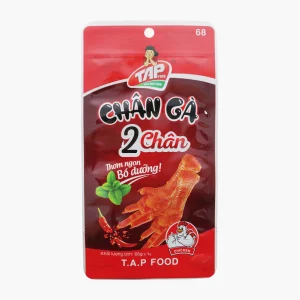
Yes. Our R&D department provides fully customizable sizing, film configurations, and print options. We use high-precision rotogravure and flexographic printing presses with eco-solvent inks. This allows for rich branding graphics on food packaging, retail bags, and liquid doypacks, helping products stand out in Pacific markets.
Our factories run under ISO 9001:2015 Quality Management guidelines, and our food packaging materials comply with US FDA and EU regulatory standards for direct food contact. We supply testing documentation for chemical migration limits, confirming that food-grade packaging is safe for storing food like dried ocean catch and agricultural products.
Connect with our technical engineering team in Bac Ninh, Vietnam, to request custom material sizing, test samples, or a detailed shipping quote for delivery to Kiribati ports.
Send Inquiry Now ESD-PAC VINA