Premium quality packaging configurations tested to meet dynamic global supply chain requirements and regional ASEAN regulatory standards.
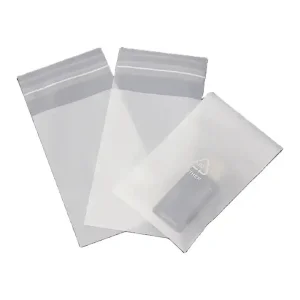
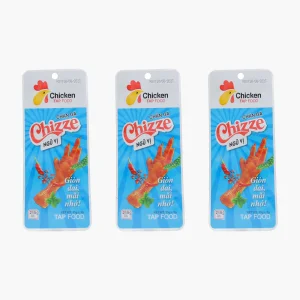
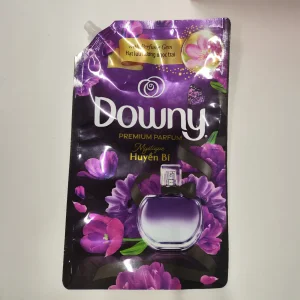
The Philippines' industrial economy is undergoing an aggressive structural transformation. Driven by high-growth segments in the CALABARZON logistics corridor, Clark Freeport Zone, and dynamic centers within Metro Manila and Cebu, local manufacturing hubs demand hyper-specialized packaging materials. Chief among these is the powerhouse semiconductor and electronic components assembly industry, which accounts for over 60% of national export value. These micro-electronics components cannot survive standard packaging; they require military-grade ESD anti-static containment and hermetic moisture barrier bags to counteract the high relative humidity typical of maritime tropical climates.
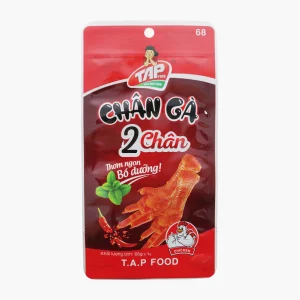
Simultaneously, the Filipino Food, Beverage, and FMCG sectors are moving swiftly away from rigid glass and metal containers to highly optimized flexible stand-up pouches (Doypacks). This change cuts logistics costs and reduces carbon footprints. The Extended Producer Responsibility (EPR) Act of 2022 (Republic Act No. 11898) adds regulatory pressure. Enterprises must now source high-barrier, lightweight packaging that optimizes raw material usage and complies with international food-grade standards (FDA) and chemical handling certifications.
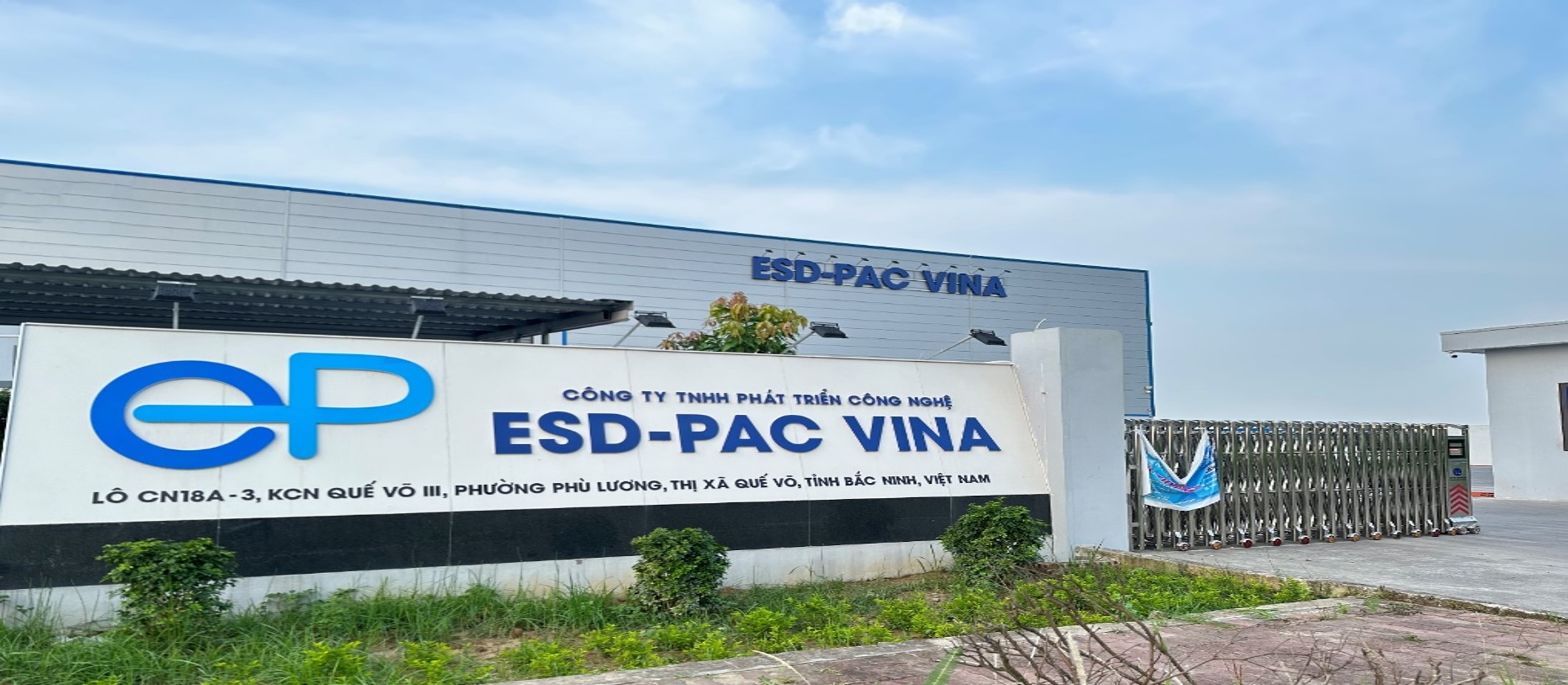
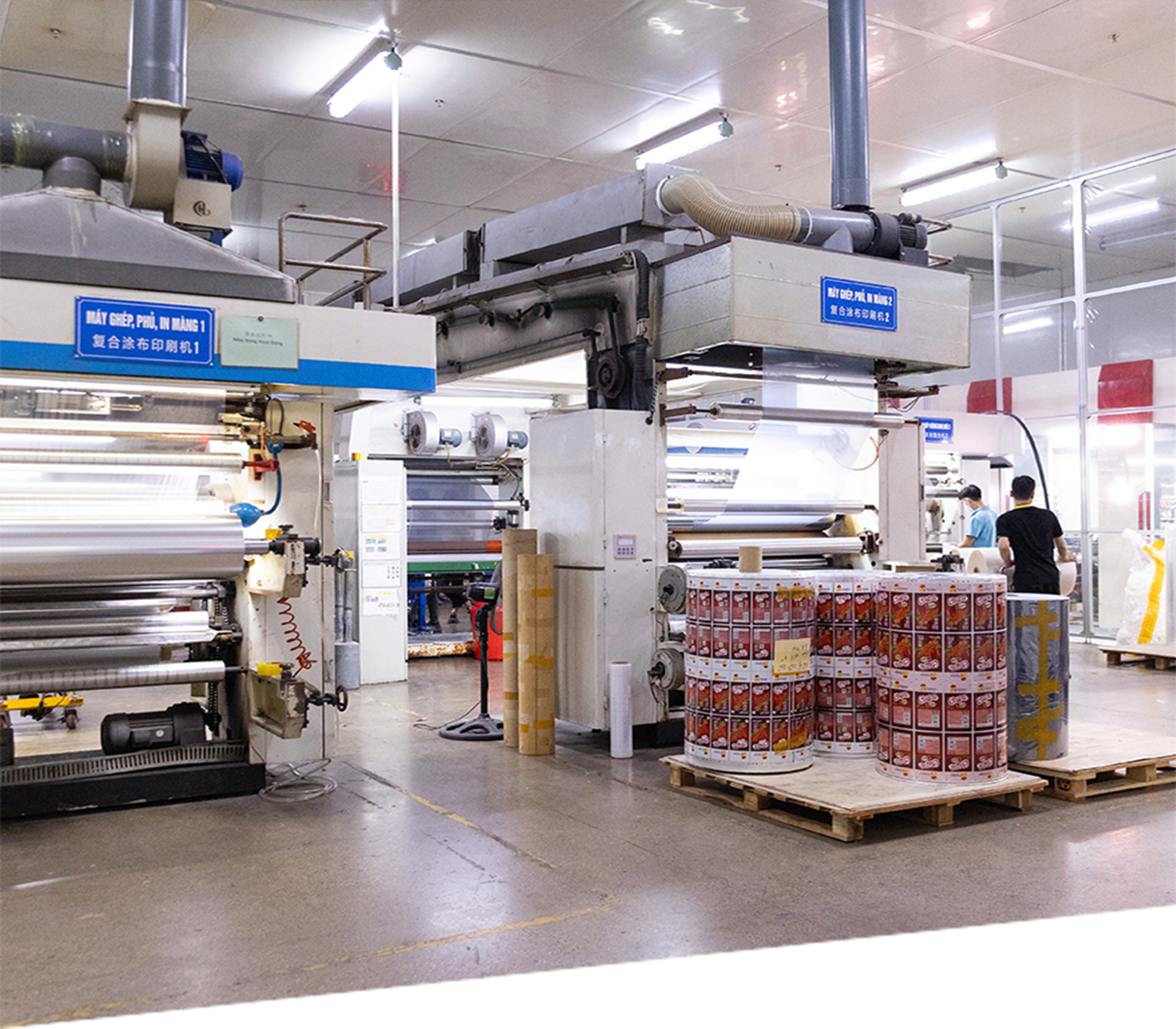
Strategically situated in the bustling industrial ecosystem of **Quy Vu Industrial Park, Bac Ninh Province, Vietnam**, our production facility leverages high-velocity logistics corridors to serve the entire Southeast Asian archipelago. Spanning an expansive **12,000 square meters**, our state-of-the-art factories integrate raw material compounding, co-extrusion, dry-lamination, slitting, and bag-making under one roof.
By producing within the ASEAN region and integrating advanced manufacturing methodologies sourced from regional supply hubs (China & Vietnam raw polymer leaders), we offer a powerful competitive advantage for Philippine enterprises:
Equipped with high-speed automated extrusion & laminating lines in Quy Vu IP.
Superior electrostatic discharge capabilities conforming to ANSI/ESD S20.20.
Leveraging ATIGA Form D certificates for optimized duty-free logistics.
Uncompromising compliance and testing protocols verified by premier laboratory organizations to guarantee physical protection and chemical integrity.
Our commitment to E-E-A-T (Experience, Expertise, Authoritativeness, Trustworthiness) is reflected in our robust material science engineering. Each packaging layer is tailored to combat specific environmental threats: moisture vapor transmission (MVTR), oxygen transmission (OTR), electrostatic discharge (ESD), and mechanical puncture hazards. We utilize high-grade barrier films like Biaxially Oriented Nylon (BOPA), Metalized Polyester (VMPET), Pure Aluminum Foil (AL), and low-density polymers (LLDPE) to fabricate dynamic laminates capable of withstanding the rigorous logistics pathways of Southeast Asia.
| Packaging Film Type | Key Barrier Metrics | Primary Industrial Use Cases (Philippines) | Compliance & Certifications |
|---|---|---|---|
| ESD Safe Shielding Bags | Resistivity: 10^6 - 10^11 ohms/sq; Decay: < 0.05 seconds |
SMT Line Assembly, IC Chip Packaging, Motherboards in CALABARZON hubs | ANSI/ESD S20.20, EIA-541, RoHS, REACH |
| Pure Aluminum Foil Pouches | MVTR: < 0.01 g/m²/24hr; OTR: < 0.01 cc/m²/24hr |
Moisture-sensitive raw materials, toner cartridges, vacuum seal exports | ISO 9001:2015, ISO 14001, CE |
| High-Barrier Doypack Spouts | Excellent seal strength; Leak-proof drop rating > 1.5m |
Liquid dishwashing soaps, liquid laundry refills, sauces & dynamic fluids | FDA Food Contact Safe, BPA Free, SGS Lab approved |
| CPE Semi-Transparent Bags | Tensile strength > 25 MPa; Frosted soft touch surface |
E-commerce apparel packing, mobile phone components, premium consumer items | REACH, Eco-friendly non-toxic compliant |
Providing ironclad quality assurance through global third-party standards: API 6D, API 607, CE, ISO9001, ISO14001, ISO18001, TS. If you need full verification reports, please contact our support team.
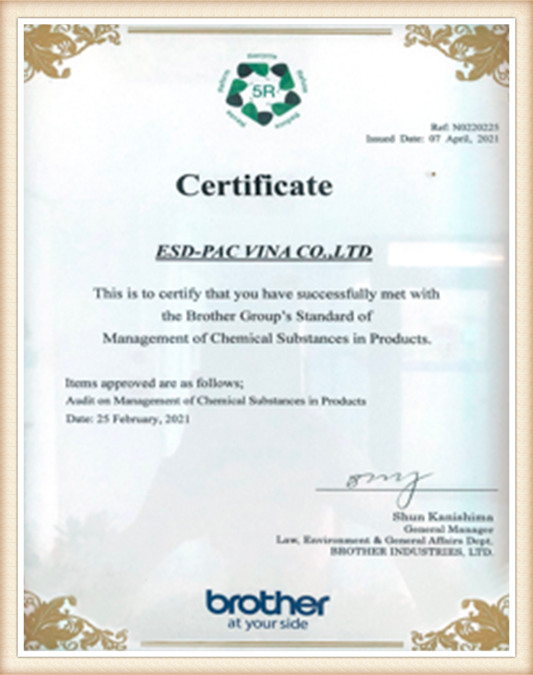
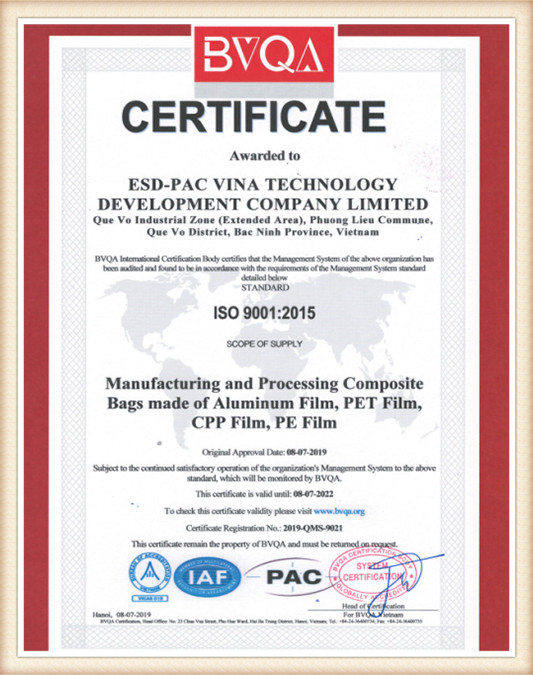
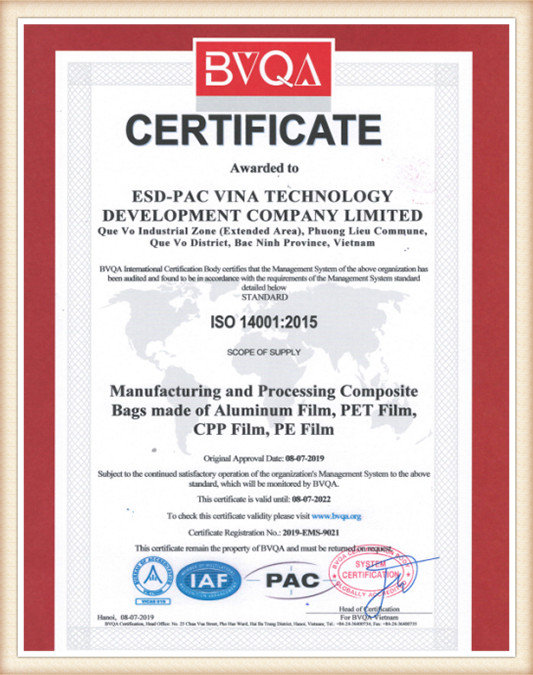
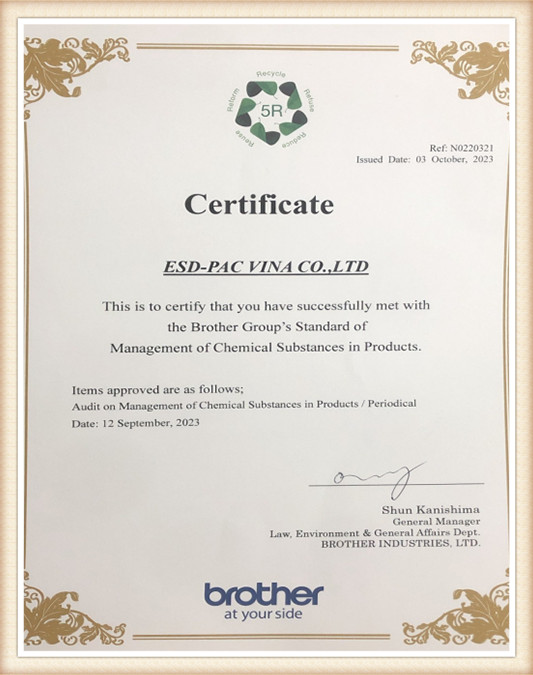
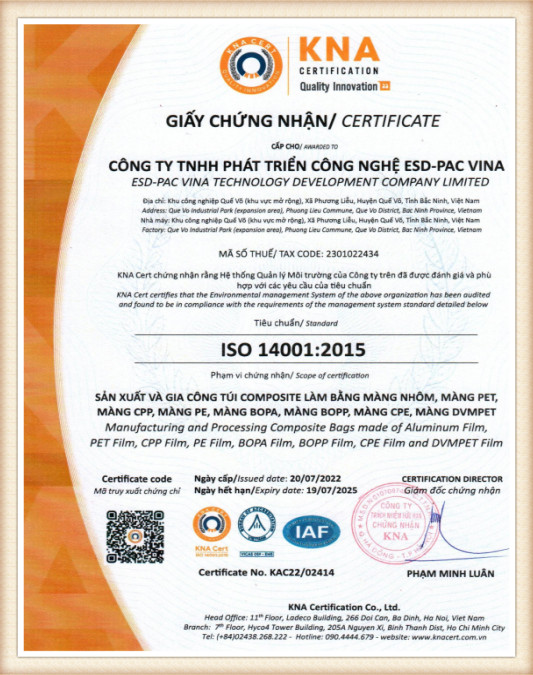
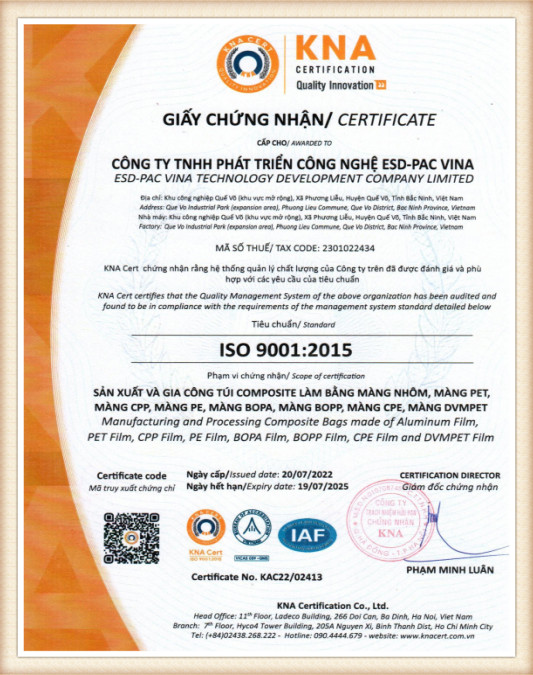
Established in **March 2018**, ESD-PAC VINA has rapidly grown into a prominent manufacturer of advanced technical films, aluminum pouches, anti-static bags, and vacuum sealers. Operating within Quy Vu Industrial Park, Bac Ninh, we maintain state-of-the-art cleanliness controls and automated physical processing lines. Our corporate strategy coordinates manufacturing, sales, and research & development under a single management system.
Our company values precision, environmental stewardship, and customer alignment. To minimize our footprint, we utilize eco-friendly manufacturing, optimized raw material scrap reduction, and low-VOC inks. Our R&D efforts focus on introducing mono-material recyclability to the high-barrier industry, ensuring our clients stay ahead of regulatory requirements.
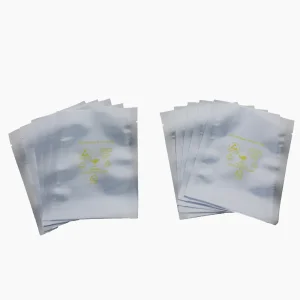
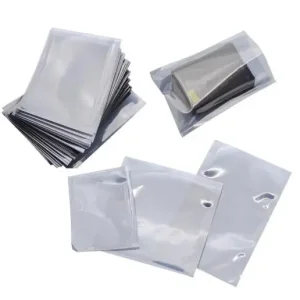
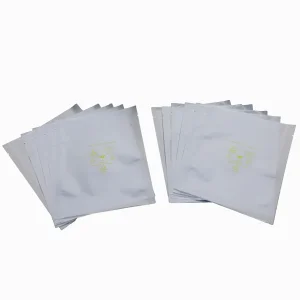
Electronic components, printed circuit boards (PCBs), and opto-semiconductors are highly vulnerable to electrostatic discharge (ESD) and moisture damage. Standard plastic packaging easily accumulates charge, risking critical components during transshipment. Our technical ESD shielding bags utilize a multi-layer composition:
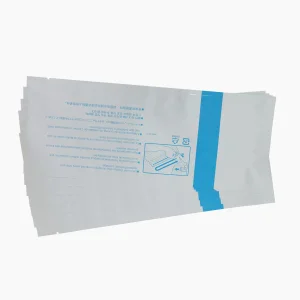
Explore our complete catalog of industrial materials, customized and printed to meet your specific packaging dimensions, brand assets, and regulatory specifications.
Anticipating structural adjustments, clean energy integration, and eco-friendly standards in local and export supply networks.
As logistics and packaging adapt to new regulations like the EPR Law in the Philippines, the flexible packaging market is shifting rapidly. Standard multi-layer materials are being re-engineered to balance barrier performance with environmental responsibility. Our R&D team works closely with polymer suppliers to develop high-barrier, mono-material structures that are easily recycled in standard waste systems.
Key technological developments include:
Additionally, automation on production lines is changing packaging requirements for local brands. Modern, high-speed automated packaging machinery in Manila and Laguna demands consistent roll stock film with stable coefficients of friction (COF). Our advanced co-extrusion systems precisely control surface slip properties, ensuring smooth performance and minimal downtime on our customers' packaging lines.
We are also seeing increased demand for high-strength, flexible packaging in modern retail networks. Brands in Metro Manila, Davao, and Cebu are choosing spouted stand-up pouches for liquid laundry detergent refills, sauces, and oils. These structures provide excellent structural strength and puncture resistance while reducing waste volume by up to 70% compared to rigid HDPE containers.
Crucial information regarding technical specifications, minimum order quantities, regional tax exemptions, and maritime distribution to the Philippines.
 ESD-PAC VINA